

I know that sounds like fighting words if you grew up thinking breakfast meant scrambled eggs, toast, and a cup of coffee. That was me, too. Until one Sunday morning when I had a can of chickpeas, half an avocado threatening to go brown, and absolutely zero motivation to go grocery shopping. I threw something together in 10 minutes, took one bite, and genuinely had to sit down for a second.
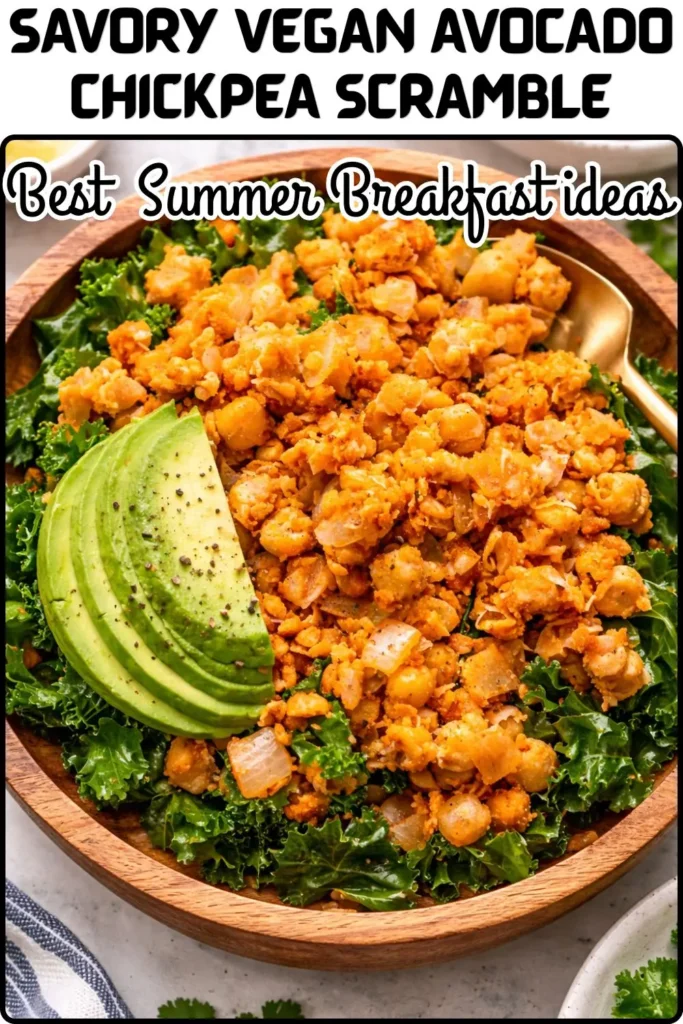
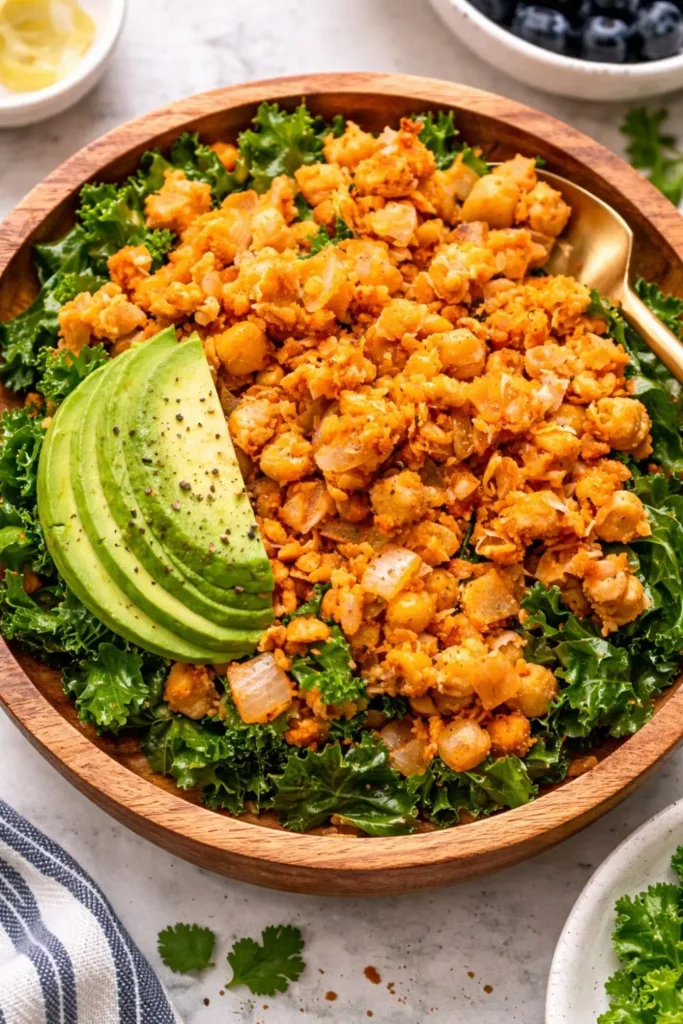
This Savory Vegan Avocado Chickpea Scramble is that recipe. It’s creamy, savory, packed with plant protein, and comes together faster than your eggs ever did. No flipping, no worrying about runny whites, no dodgy scramble that goes rubbery if you look away for 30 seconds. Just a warm, satisfying, genuinely delicious breakfast that tastes like you actually tried.
And here’s the part that gets me every time — the whole thing takes 10 minutes and costs about $2 a serving. Try arguing with that.
What Makes This Recipe Work So Well?
Ever wonder why some vegan breakfast recipes feel like a sad imitation of the real thing, while others make you forget the original existed? The difference is usually texture and seasoning — and this recipe nails both.
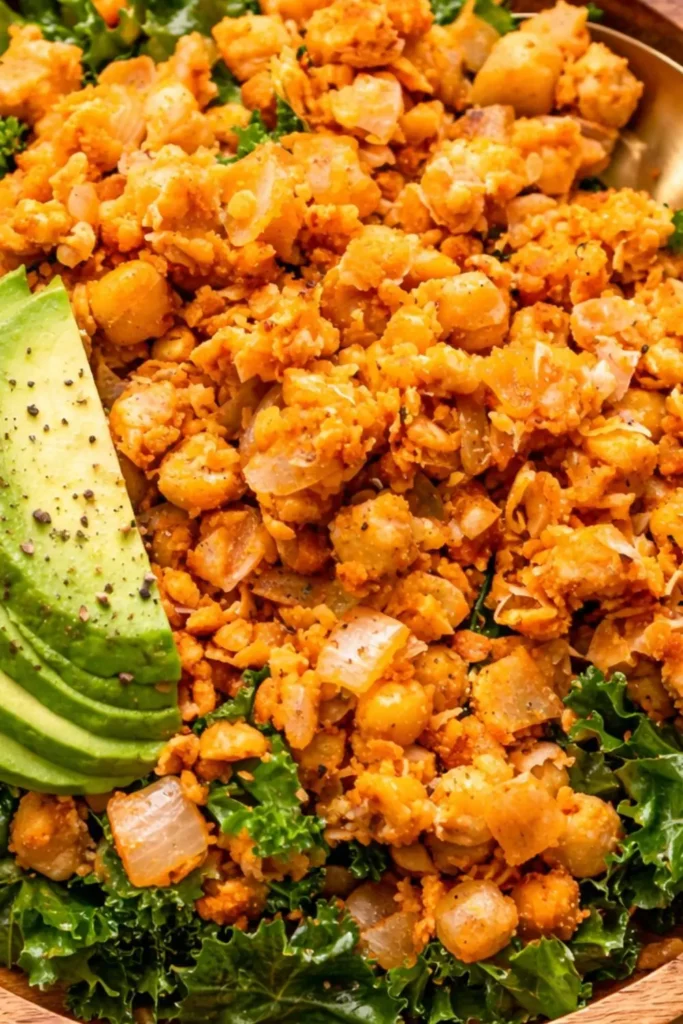
Chickpeas are the star here, and they earn that title completely. When you mash them partially and cook them in a hot skillet, they develop this incredible texture — part creamy, part slightly chunky — that genuinely mimics the satisfying bite of a proper egg scramble. They’re not trying to be eggs. They’re just incredibly delicious chickpeas.
The supporting cast does the heavy lifting on flavor. Nutritional yeast adds that savory, slightly cheesy depth. Tomato paste brings richness and umami. Garlic powder ties it all together. And a splash of almond milk keeps the whole mixture creamy rather than dry and crumbly.
Then the avocado arrives on top, cool and buttery, and suddenly you’ve got a breakfast that feels genuinely indulgent — at under 400 calories a serving. IMO, that’s one of the best deals in plant-based cooking.
Equipment You Need
This recipe respects your time and your kitchen counter space. Here’s everything you need:
- Large skillet (10–12 inch): Your primary cooking vessel. A non-stick or cast-iron skillet both work beautifully here. Cast iron retains heat beautifully and gives the chickpea mash a slightly golden, toasty edge that’s genuinely worth it if you have one.
- Medium mixing bowl: For mashing your chickpeas and mixing the seasoning together before it hits the pan.
- Fork or potato masher: Either works for mashing the chickpeas. A fork gives you more control over the texture — more chunks, less paste. A potato masher is faster if you want a smoother result.
- Wooden spoon or silicone spatula: For stirring and sautéing without scratching your skillet.
- Sharp knife and cutting board: For dicing the onion and slicing your avocado cleanly.
- Can opener: For that beautiful can of chickpeas. The real hero of this story.
That’s literally it. No blender, no food processor, no special equipment. If you have a skillet, a bowl, and a fork — you’re fully equipped to make this recipe right now.
Ingredients
Every ingredient in this scramble earns its place. Here’s what you need for 2 servings, and why each one matters:
The Scramble Base
- 1 tbsp (15 ml) extra virgin olive oil — The cooking fat and the first flavor you add to the pan. Use a good one — extra virgin has better flavor than regular olive oil and it matters here.
- ½ cup (80g) diced yellow onion — Softened in the skillet first to build a sweet, savory foundation. Yellow onion is ideal because it sweetens as it cooks without turning sharp or bitter.
- 1 can (15 oz / 425g) chickpeas, drained and rinsed — The heart of the recipe. Chickpeas deliver plant protein, fiber, complex carbohydrates, and a satisfying texture you can’t get from tofu or tempeh in this context. Always drain and rinse them well — the liquid from the can makes everything soggy.
The Seasoning Mix
- ¾ tsp garlic powder — Not fresh garlic this time. Garlic powder distributes more evenly through the mash and gives you that consistent savory hit in every bite.
- 1 tbsp (4g) nutritional yeast — The secret weapon of vegan cooking. Nooch (as we affectionately call it) adds a nutty, cheesy, deeply savory flavor that makes this scramble taste complete and satisfying. If you don’t have nutritional yeast in your pantry yet — fix that immediately.
- 1 tbsp (15g) tomato paste — Not tomato sauce, not diced tomatoes. Tomato paste. It’s concentrated, rich, and adds a depth of umami that’s completely different from fresh tomatoes. One tablespoon does the work of much more.
- 2 tbsp (30 ml) unsweetened almond milk — Just enough to loosen the chickpea mash and keep it creamy throughout cooking. Use any unsweetened plant milk you have — oat, soy, and cashew all work perfectly.
- ¼ tsp sea salt (or to taste) — Season your base and then taste and adjust at the end. The tomato paste and nutritional yeast both carry some sodium, so start with ¼ teaspoon and go from there.
The Toppings
- 1 ripe avocado, pitted, peeled, and sliced — Cool, buttery, and rich. The avocado on top isn’t just garnish — it adds healthy fat that keeps you full for hours and a creaminess that contrasts beautifully with the warm scramble underneath.
- Salad greens — Whatever greens you love. Baby arugula, spinach, mixed greens, or watercress all work brilliantly. They add freshness, fiber, and color to the plate.
Full Calorie and Nutrition Breakdown
One of the things I love most about this recipe is how genuinely well it performs nutritionally. Here’s the breakdown per serving (based on 2 servings from the full recipe):
| Nutrient | Per Serving (Approx.) |
| Calories | ~370–400 kcal |
| Protein | ~14–16g |
| Carbohydrates | ~38g |
| Dietary Fiber | ~12g |
| Total Fat | ~18g |
| Healthy Fats (Mono/Poly) | ~13g |
| Sodium | ~300mg |
| Potassium | ~700mg |
| Iron | ~3–4mg |
| Vitamin C | ~8mg |
| Folate | ~120mcg |
A few things worth highlighting here:
- 14–16g of plant protein per serving from chickpeas alone — that’s comparable to 2 large eggs (about 12g), but with significantly more fiber and zero cholesterol.
- 12g of fiber per serving keeps you full, supports digestion, and prevents that mid-morning energy crash that comes from a sugar-heavy breakfast.
- The healthy fats from avocado provide oleic acid — the same heart-healthy fat that makes olive oil famous — which helps your body absorb fat-soluble vitamins from the greens on your plate.
- The folate from chickpeas (approximately 120mcg) covers about 30% of your daily requirement in a single meal.
This recipe feeds 2 people comfortably as a proper breakfast. If you’re particularly hungry or want this as a brunch dish, it stretches to a satisfying solo meal with an extra piece of toast or a side of roasted cherry tomatoes.
Step-by-Step Instructions for Savory Vegan Avocado Chickpea Scramble
Ready? Here’s how to make the best 10-minute vegan breakfast you’ve ever had.
Step 1: Soften Your Onion
Warm 1 tablespoon of olive oil in your large skillet over medium heat. Wait until the oil shimmers slightly — that’s your signal it’s hot enough. Add your diced yellow onion and cook for about 5 minutes, stirring occasionally, until the onion turns soft and translucent with golden edges.
Don’t rush the onion. That 5-minute window is where sweetness develops, and it builds the entire flavor base of the scramble. A properly softened onion tastes completely different from a barely-cooked one.
Step 2: Make Your Chickpea Mash
While the onions are cooking, add your drained and rinsed chickpeas to a medium bowl. Add the garlic powder, nutritional yeast, tomato paste, almond milk, and salt.
Now mash. Use a fork for a chunkier texture with distinct pieces of chickpea — this is my preference because it gives the scramble more personality and bite. Use a potato masher if you want a smoother, more uniform texture. Don’t go full hummus — you want roughly 70% mashed with about 30% still intact. That ratio gives you the best texture in the finished scramble.
Mix everything together until the seasoning coats the chickpeas evenly. It should look like a slightly chunky, reddish-orange paste at this point. Taste it raw — yes, taste the raw chickpea mash. You can adjust the salt now before it hits the hot pan.
Step 3: Cook the Chickpea Scramble
Add your seasoned chickpea mash directly to the skillet with the softened onions. Stir to combine and cook over medium heat for 5 minutes, stirring occasionally.
You’ll notice the mash starts to dry out slightly and develops little golden, toasty spots on the bottom of the pan — that’s exactly what you want. Those caramelized bits add depth and a slight nuttiness that makes the scramble taste genuinely complex despite how simple the ingredient list is.
Taste one more time and add extra salt if needed.
Step 4: Serve It Beautifully
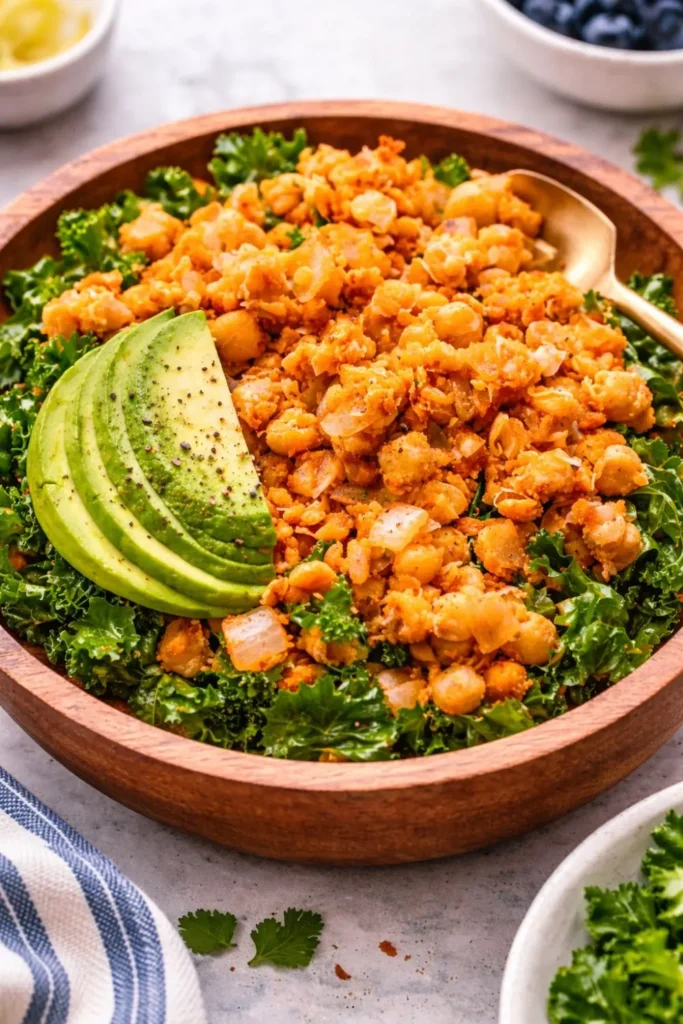
Spoon the warm scramble onto two plates. Top each with sliced avocado and a handful of your favorite salad greens. Serve immediately while everything is warm and the avocado is fresh.
That’s it. Ten minutes, one skillet, one bowl, and one of the most satisfying breakfasts you’ll make this summer.
Why This Works as a Summer Breakfast Specifically
You might be thinking — isn’t a warm scramble a bit heavy for summer mornings? And here’s why the answer is no.
Summer breakfast energy is different. In summer, you often eat breakfast earlier, move more, and need fuel that lasts without weighing you down. This scramble does exactly that — the protein and fiber from chickpeas provide steady energy for hours, while the avocado keeps the meal feeling light and fresh rather than stodgy.
The cool avocado on top of the warm scramble creates this incredible temperature contrast that makes every bite feel refreshing even though it’s a hot dish. Add fresh greens and you’ve got something that feels genuinely bright and summery.
Chickpeas also love summer produce. This scramble pairs beautifully with fresh tomatoes, cucumber slices, grilled corn, or a quick summer salsa spooned on top. The base recipe works as a canvas for whatever’s at peak season in your garden or farmers market.
And honestly? A breakfast that takes 10 minutes on a warm summer morning — when the last thing you want to do is stand over a hot stove — is worth its weight in gold.
Nutritional Yeast — The One Ingredient That Changes Everything
Let’s talk about nutritional yeast for a second, because if you’re new to vegan cooking, this might be the most important ingredient discovery you make all year.
Nutritional yeast (or “nooch”) is a deactivated yeast sold in the form of yellow flakes or powder. It’s completely different from baking yeast or brewer’s yeast — you don’t use it for rising bread or making beer. You use it for flavor.
And what flavor it delivers. Nutritional yeast tastes nutty, savory, and slightly cheesy in a way that no other plant-based ingredient replicates. It adds umami depth to anything you add it to — scrambles, soups, pasta sauces, popcorn, salad dressings.
FYI — it’s also a complete protein containing all nine essential amino acids, and it’s one of the few plant-based sources of B12 (in its fortified form). One tablespoon delivers approximately 2–3g of protein and a significant chunk of your daily B12 requirement.
Where to find it: Most health food stores, Whole Foods, and increasingly in the natural foods section of regular supermarkets. Online is always an option too. Look for fortified nutritional yeast specifically to get the B12 benefits.
If you’ve never cooked with nutritional yeast before, this scramble is the perfect first recipe. One tablespoon is enough to transform the flavor completely, and once you taste it, you’ll understand why vegan cooks put nooch in everything.
Avocado — More Than Just a Pretty Topping
Can we take a moment to properly appreciate the avocado in this recipe? Because it’s doing so much more than sitting prettily on top of the plate.
The fat in avocado is predominantly monounsaturated oleic acid — the same fat found in olive oil and credited with reducing inflammation, supporting heart health, and helping your body absorb fat-soluble vitamins. When you eat avocado on top of greens, you actually absorb significantly more of the vitamins in those greens than you would without the fat. The avocado is making your entire plate more nutritious.
Avocado also adds substance and staying power. Healthy fat slows digestion in the best possible way — it extends the time before you feel hungry again, which means this 10-minute breakfast genuinely keeps you full until lunch. No mid-morning grazing, no snack drawer raid at 10am. Just steady, sustained energy.
And practically speaking — cool avocado on warm chickpea scramble is a textural revelation. Creamy and rich against the slightly chunky, toasty scramble and crisp fresh greens. Every bite delivers a different texture and temperature combination that keeps eating it genuinely interesting.
How to Pick a Perfect Avocado
Since the avocado is doing so much work in this recipe, it deserves a perfect one. Here’s how to pick it:
- Color: Ripe Hass avocados (the common small, dark-skinned variety) turn dark purple-black when ripe. Bright green = not ready yet.
- The squeeze test: Gently squeeze the avocado in your palm — not with your fingertips, which leave bruises. Ripe avocado yields slightly to gentle pressure without feeling mushy.
- The stem trick: Pop off the small stem at the top. If the flesh underneath is green, it’s ripe and ready. Brown means overripe. Still firmly attached means it needs another day.
Customize This Scramble — Because You Should Make It Yours
One of the best things about this recipe is that the base is endlessly flexible. Here are the variations I actually make and love:
Add More Vegetables
- Diced red bell pepper — Add it with the onion for extra sweetness and vitamin C. It takes the same 5 minutes to soften.
- Baby spinach — Stir in a handful right after adding the chickpea mash. It wilts in under a minute and adds iron and color.
- Cherry tomatoes, halved — Add in the last 2 minutes of cooking. They burst slightly and add fresh acidity that brightens the whole dish.
- Diced jalapeño — For heat lovers. Add it with the onion and let it cook down for a gentler burn, or add it raw on top for full intensity.
- Mushrooms — Sauté sliced cremini or button mushrooms before the onion for extra umami depth. They pair incredibly well with the nutritional yeast.
Boost the Protein
- Extra chickpeas — Scale the can up to 19 oz (540g) for a meatier, more filling scramble.
- Hemp seeds — Sprinkle 1–2 tablespoons on top with the avocado. They add 5g of protein per tablespoon with virtually no flavor impact.
- White beans — Replace half the chickpeas with white cannellini beans for a creamier, slightly softer texture.
Change the Toppings
- Fresh salsa — Spoon it right over the avocado for a breakfast that leans Mexican-inspired and absolutely works.
- Hot sauce — A few dashes of your favorite hot sauce ties everything together and adds that sharp, vinegary kick.
- Fresh herbs — Cilantro, basil, or flat-leaf parsley all work beautifully as a finishing touch.
- Vegan feta — Crumbled on top for a tangy, salty element that makes this feel genuinely fancy.
- Everything bagel seasoning — Sprinkle it on the avocado before serving. Game changer.
Serve It Differently
- On toast: Spoon the scramble over thick slices of sourdough for a more substantial brunch. This is the version I make when I have people over and want something that looks impressive.
- In a wrap: Roll the scramble, avocado, and greens in a large flour tortilla for a breakfast burrito that travels well.
- Over rice: A scoop of warm jasmine rice with the scramble on top is a genuinely satisfying lunch or light dinner.
- As a bowl: Layer greens, scramble, avocado, and add roasted chickpeas on top for extra crunch.
Common Mistakes — Let’s Make Sure You Nail This
This recipe is simple, but a few small mistakes can affect the final result. Here’s what to watch for:
Mistake #1: Not Draining and Rinsing Your Chickpeas Thoroughly
The liquid in a can of chickpeas (aquafaba) is starchy and slightly salty. If you skip rinsing, your scramble will be wetter than it should be and the seasoning balance gets thrown off. Drain fully, rinse under cold water, and shake off the excess. Takes 30 seconds and makes a real difference.
Mistake #2: Mashing Everything into a Paste
Resist the urge to over-mash. Smooth, uniform chickpea paste cooks into something dense and a little gluey. You want texture — partial mashing with visible chunks creates a scramble that feels satisfying and interesting rather than heavy and monotonous.
Mistake #3: Cooking on Too High Heat
Medium heat is your friend here. High heat dries out the chickpea mash too quickly on the outside while leaving the inside under-cooked and dense. Medium heat gives you 5 minutes of even, golden, caramelized cooking that develops flavor throughout the whole scramble.
Mistake #4: Salting Too Early and Too Much
The tomato paste and nutritional yeast both carry sodium. Add just ¼ teaspoon at the mixing stage and then taste before and after cooking. Season in layers, taste as you go, and add the final adjustment right before serving. You can always add more salt; you can’t take it away.
Mistake #5: Using an Unripe or Overripe Avocado
An underripe avocado is hard, flavorless, and slightly bitter. An overripe one is brown and mushy. The sweet spot is a ripe avocado that yields gently to pressure — creamy, buttery, and green inside. Check it before you start cooking so you’re not disappointed at the plating stage.
Why Chickpeas Make the Best Vegan Breakfast Protein
Eggs have been the default breakfast protein for so long that most people never question it. But chickpeas make an argument that’s genuinely hard to ignore.
Per 100g cooked serving, chickpeas deliver:
- 9g of protein
- 8g of dietary fiber
- Complex carbohydrates for sustained energy
- Iron, folate, magnesium, and potassium
- Zero cholesterol
- Significantly less saturated fat than eggs
The fiber is the big differentiator. Eggs have zero dietary fiber. Chickpeas have 8g per 100g serving. That fiber feeds beneficial gut bacteria, slows sugar absorption, and creates the sustained fullness that protein alone doesn’t always deliver. A chickpea scramble keeps you satisfied in a fundamentally different — and longer-lasting — way than an egg scramble.
And practically speaking? A can of chickpeas costs less than a dollar in most grocery stores. Eggs have gotten increasingly expensive. The math here is not even close.
Still Hungry, Try It Next recipe :-
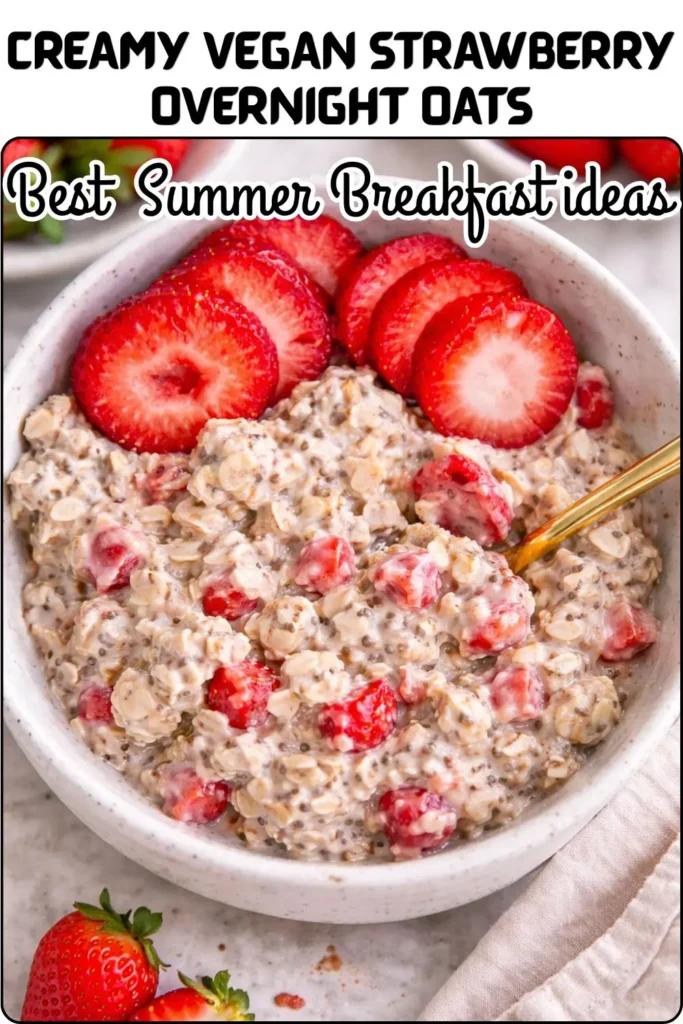
Creamy Vegan Strawberry Overnight Oats
The 10-Minute Promise — This Recipe Actually Delivers It
I’m genuinely skeptical of “10-minute” recipe claims. Most of them quietly forget to count the time it takes to find the ingredients, wash the bowl, or wait for the pan to heat up. This recipe genuinely delivers on the promise — let me break down exactly how:
| Task | Time |
| Heat skillet and prep onion | ~2 minutes |
| Sauté onion | 5 minutes (hands-off) |
| Mash and mix chickpeas | ~2 minutes (while onion cooks) |
| Cook chickpea scramble | 5 minutes |
| Plate and top with avocado | ~1 minute |
| Total | ~10 minutes |
The key to timing is doing two things at once. While the onion softens in the pan — which needs almost no attention — you mash and season your chickpeas in the bowl. By the time the onion is ready, your mash is ready. Everything flows.
If your onion takes 7 minutes instead of 5, your total time is 12 minutes. Still faster than most people’s egg scramble routine, honestly.
Storage and Meal Prep — Make It Work for Your Week
This scramble is a genuinely excellent meal-prep recipe. Here’s how to use it efficiently:
Storing Leftovers
Store leftover chickpea scramble (without the avocado and greens) in an airtight container in the refrigerator for up to 4 days. The scramble reheats beautifully — a quick 2-minute reheat in a skillet over medium heat or 90 seconds in the microwave restores it completely. Always add fresh avocado and greens at serving time.
Meal Prep Strategy
Double or triple the recipe on Sunday and store portions in the fridge. You’ve got 4 days of ready-made breakfast protein that takes under 2 minutes to reheat. Slice a fresh avocado each morning (or store halved avocados cut-side down in the fridge with the pit in), and you’re plated and eating in under 3 minutes on any weekday morning.
Freezing
The chickpea scramble freezes well for up to 2 months. Portion it into individual serving containers, freeze flat, and defrost overnight in the fridge. Reheat in the skillet for the best texture. The avocado and greens should always be fresh — neither freezes well.
Serving Suggestions — How to Build a Complete Summer Breakfast Around This
The scramble is excellent on its own, but it really shines as part of a slightly bigger spread. Here are the pairings that work best:
Light Additions
- Fresh sliced tomatoes with sea salt — The acid from a ripe summer tomato cuts through the richness of the avocado beautifully.
- Cucumber slices with lemon — Cool, refreshing, and zero effort. A natural partner to the warm scramble.
- Fresh orange wedges — The sweetness and vitamin C work as both a palate cleanser and an iron absorption booster (vitamin C significantly improves iron absorption from plant sources).
Heartier Additions
- Sourdough toast or whole grain bread — For something more substantial, especially as a brunch option.
- Roasted cherry tomatoes — Pop them in the oven at 400°F while you cook the scramble and they’re ready to serve simultaneously.
- Roasted sweet potato slices — Prep ahead, reheat in the morning, serve alongside. Turns this into a seriously filling brunch.
Drink Pairings
- Cold brew coffee — The slight bitterness balances the savory richness of the scramble perfectly.
- Fresh green smoothie — Spinach, banana, almond milk, and a little ginger. Light, nutritious, and beautiful alongside the scramble.
- Sparkling water with cucumber and mint — Summer mornings deserve something refreshing, and this is genuinely elegant with almost zero effort.
Why This Beats Tofu Scramble (A Hot Take Worth Considering)
I love a good tofu scramble. I really do. But I think chickpeas have an advantage that doesn’t get talked about enough, so here’s my honest comparison:
| Chickpea Scramble | Tofu Scramble | |
| Prep time | 10 minutes | 15–20 minutes |
| Texture | Chunky, hearty, varied | Softer, more uniform |
| Flavor base | Rich, tomato-y, earthy | More neutral, spice-dependent |
| Required pressing | None | 15–30 minutes for firm tofu |
| Pantry staple? | Yes (canned) | Requires refrigerated tofu |
| Protein per serving | ~14–16g | ~12–15g |
| Fiber | High (12g) | Low (~1g) |
| Budget | Very low | Low–moderate |
The chickpea scramble wins on speed and convenience almost every time — especially on a busy summer morning when you want something real without any planning ahead. Canned chickpeas live in your pantry indefinitely, require zero prep beyond draining and rinsing, and respond to seasoning beautifully.
That said — if you want that classic silky tofu texture, a tofu scramble delivers something different. But for a 10-minute pantry breakfast? Chickpeas take it.
Frequently Asked Questions
Can I use dried chickpeas instead of canned?
Absolutely, and it’s more economical too. Cook dried chickpeas ahead — either soak overnight and boil for about 90 minutes, or use a pressure cooker (about 40 minutes from dry). 1 can (425g/15oz) of canned chickpeas equals about 1.5 cups of cooked dried chickpeas. Store cooked chickpeas in the fridge for up to 5 days or freeze in portions.
Can I substitute the almond milk?
Yes — any unsweetened plant milk works perfectly. Oat milk, soy milk, cashew milk, and coconut milk (the carton variety, not full-fat canned) all produce excellent results. Just make sure it’s unsweetened — sweetened plant milk will make your scramble taste strange and slightly dessert-like, which is not the goal here.
Is this recipe gluten-free?
Yes, as written it’s completely gluten-free. All the ingredients — chickpeas, avocado, onion, olive oil, nutritional yeast, tomato paste, almond milk, and spices — are naturally gluten-free. If you serve it on toast, just use certified GF bread and the whole meal stays gluten-free.
What can I use instead of nutritional yeast?
If you genuinely can’t find nutritional yeast, miso paste makes a decent substitute for the savory, umami depth — use ½ teaspoon of white miso mixed into the almond milk before adding it to the chickpeas. The flavor is different but similarly deep and satisfying. Alternatively, a small splash of soy sauce or tamari adds savory depth, though it changes the flavor profile slightly.
Can I add turmeric for that yellow “egg” color?
Yes and yes. Add ¼ teaspoon of ground turmeric to the chickpea mash with the other spices. It turns the scramble a gorgeous golden yellow that looks strikingly similar to egg scramble. It doesn’t significantly change the flavor at that amount, but it does make the visual presentation more egg-like if that’s something you’re going for.
How do I keep the avocado from browning if I’m meal prepping?
Store sliced avocado with a squeeze of fresh lemon or lime juice to slow oxidation. For halved avocados you’re storing in the fridge, leave the pit in and press plastic wrap directly against the flesh before sealing. Both methods buy you 24–36 hours before browning becomes noticeable.
Still Hungry, Try It Next recipe :-
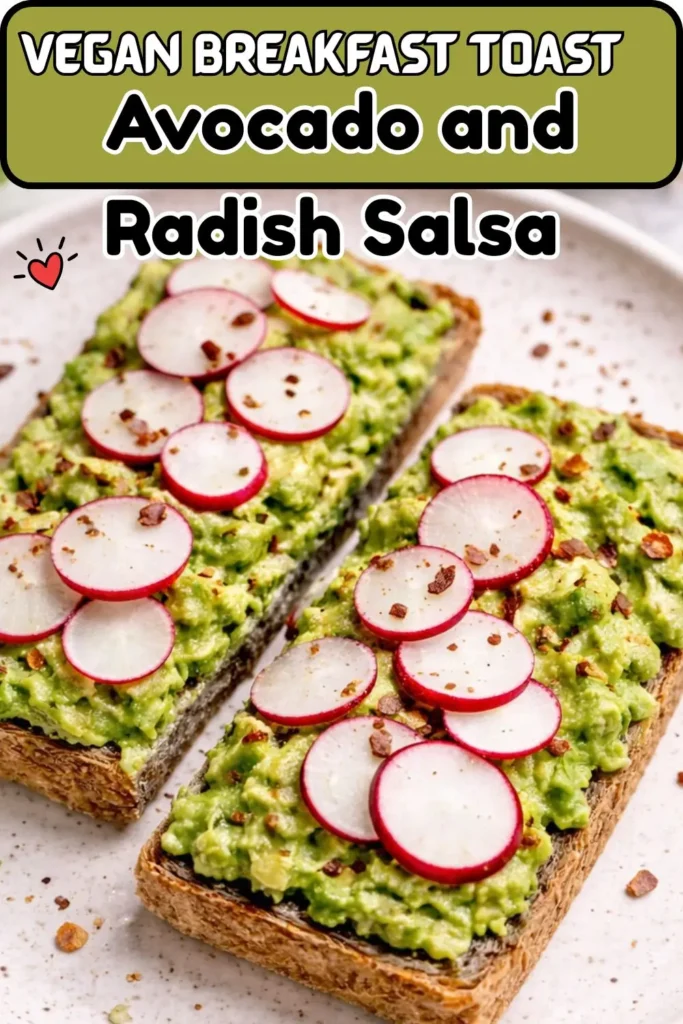
Vegan Breakfast Toast with Avocado and Radish Salsa
The Bigger Picture — Why a Breakfast Like This Matters
I know it’s just breakfast. But what you eat in the first hour of the day genuinely shapes your energy, your focus, and your hunger patterns for the hours that follow.
A breakfast built around chickpeas and avocado delivers protein that builds and maintains muscle, fiber that feeds your gut microbiome and slows sugar absorption, healthy fat that keeps your brain functioning well, and vitamins that support everything from immunity to energy metabolism.
Compare that to a typical high-sugar breakfast — cereal, pastry, flavored yogurt — and the difference in how you feel at 11am is remarkable. A chickpea scramble keeps you energized and focused in a way that a sugar spike never does.
And for anyone reducing or eliminating animal products from their diet, recipes like this solve the most common concern people raise: “But where will I get my protein?” One bowl of this scramble answers that question definitively. No eggs, no meat, no dairy — and a protein count that matches or beats a conventional egg breakfast.
Final Thoughts — Make This Tomorrow Morning
Here’s what I want you to take away from all of this: the Savory Vegan Avocado Chickpea Scramble is not a compromise. It’s not a “pretty good for vegan” breakfast or a “fine if you can’t have eggs” situation. It’s a genuinely excellent breakfast that happens to be fully plant-based, ready in 10 minutes, and built from ingredients that probably already live in your kitchen.
Ten minutes. One skillet. One bowl. A handful of pantry ingredients and one perfect ripe avocado. That’s all it takes.
Make the onion soft. Season your chickpeas generously. Cook until golden. Taste before you plate. Slice that avocado properly and lay it on top like the star it absolutely is.
Then sit down, eat slowly, and let someone ask you what you made. When you tell them it took 10 minutes and has no eggs, watch their face. That moment never gets old.
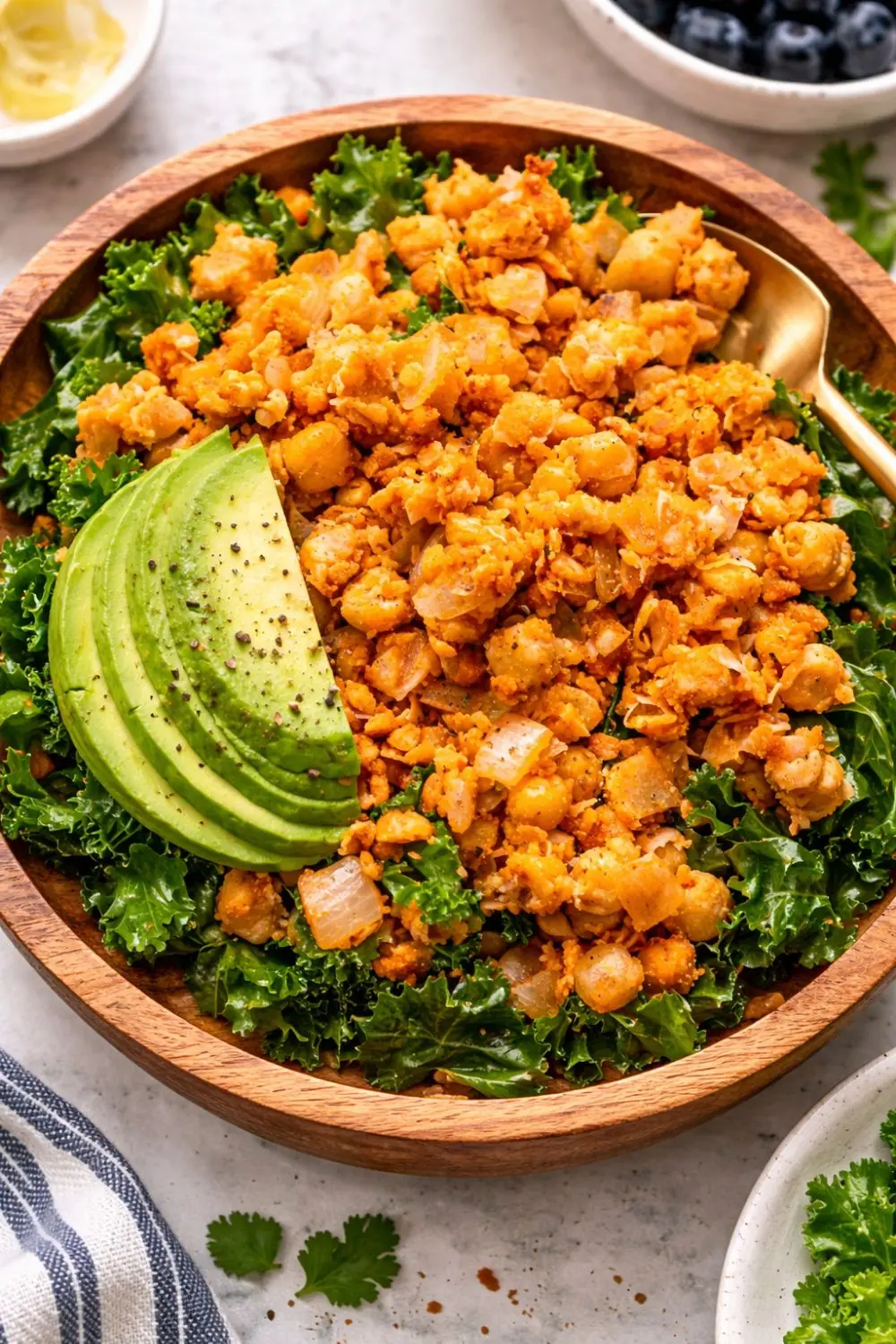
Savory Vegan Avocado Chickpea Scramble
Ingredients
Equipment
Method
- Step 1: Soften Your Onion
- Warm 1 tablespoon of olive oil in your large skillet over medium heat. Wait until the oil shimmers slightly — that’s your signal it’s hot enough. Add your diced yellow onion and cook for about 5 minutes, stirring occasionally, until the onion turns soft and translucent with golden edges.
- Don’t rush the onion. That 5-minute window is where sweetness develops, and it builds the entire flavor base of the scramble. A properly softened onion tastes completely different from a barely-cooked one.
- Step 2: Make Your Chickpea Mash
- While the onions are cooking, add your drained and rinsed chickpeas to a medium bowl. Add the garlic powder, nutritional yeast, tomato paste, almond milk, and salt.
- Now mash. Use a fork for a chunkier texture with distinct pieces of chickpea — this is my preference because it gives the scramble more personality and bite. Use a potato masher if you want a smoother, more uniform texture. Don’t go full hummus — you want roughly 70% mashed with about 30% still intact. That ratio gives you the best texture in the finished scramble.
- Mix everything together until the seasoning coats the chickpeas evenly. It should look like a slightly chunky, reddish-orange paste at this point. Taste it raw — yes, taste the raw chickpea mash. You can adjust the salt now before it hits the hot pan.
- Step 3: Cook the Chickpea Scramble
- Add your seasoned chickpea mash directly to the skillet with the softened onions. Stir to combine and cook over medium heat for 5 minutes, stirring occasionally.
- You’ll notice the mash starts to dry out slightly and develops little golden, toasty spots on the bottom of the pan — that’s exactly what you want. Those caramelized bits add depth and a slight nuttiness that makes the scramble taste genuinely complex despite how simple the ingredient list is.
- Taste one more time and add extra salt if needed.
- Step 4: Serve It Beautifully
- Spoon the warm scramble onto two plates. Top each with sliced avocado and a handful of your favorite salad greens. Serve immediately while everything is warm and the avocado is fresh.
- That’s it. Ten minutes, one skillet, one bowl, and one of the most satisfying breakfasts you’ll make this summer.
Notes
Full Calorie and Nutrition Breakdown
One of the things I love most about this recipe is how genuinely well it performs nutritionally. Here’s the breakdown per serving (based on 2 servings from the full recipe):| Nutrient | Per Serving (Approx.) |
| Calories | ~370–400 kcal |
| Protein | ~14–16g |
| Carbohydrates | ~38g |
| Dietary Fiber | ~12g |
| Total Fat | ~18g |
| Healthy Fats (Mono/Poly) | ~13g |
| Sodium | ~300mg |
| Potassium | ~700mg |
| Iron | ~3–4mg |
| Vitamin C | ~8mg |
| Folate | ~120mcg |
- 14–16g of plant protein per serving from chickpeas alone — that’s comparable to 2 large eggs (about 12g), but with significantly more fiber and zero cholesterol.
- 12g of fiber per serving keeps you full, supports digestion, and prevents that mid-morning energy crash that comes from a sugar-heavy breakfast.
- The healthy fats from avocado provide oleic acid — the same heart-healthy fat that makes olive oil famous — which helps your body absorb fat-soluble vitamins from the greens on your plate.

Hi — I’m Rachel. I’m a wife, a mom, and a home cook who believes that food should bring comfort, joy, and compassion to the table. I live with my family — two hungry little foodies who are my most honest recipe testers — and together we’ve built a kitchen culture that’s all about good food that happens to be 100% vegan. I started this blog because I wanted a place to share the recipes that keep our days moving, the dishes that make weeknights feel a little easier, and the meals that become our little family traditions.