
Scalloped potatoes are one of those dishes that sounds like it belongs exclusively to the dairy world — cream, cheese, butter, more cream. The idea of making them vegan and having them actually taste the way they’re supposed to feels almost audacious. But this One Pan Vegan Potato Side Dish does it completely, using a blended almond milk and nutritional yeast sauce that comes out so genuinely creamy and cheesy that people who eat dairy regularly will look at you with genuine suspicion when you tell them what’s actually in it.
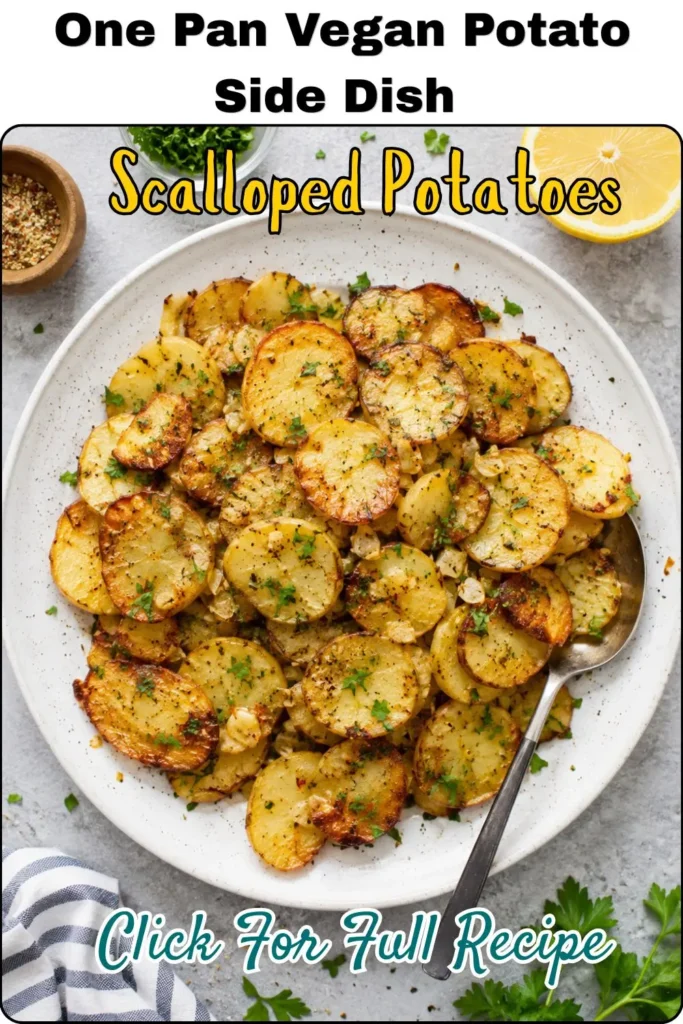
I made this for a family dinner where I needed a potato side dish that felt genuinely indulgent not a gesture toward indulgence, but the real thing. This was it. A cast-iron skillet goes from stovetop to oven, the sauce builds in the same pan, the potatoes layer in and absorb everything during the bake, and the top goes golden and bubbly exactly the way it should. One pan. One cleanup. The best vegan potato side dish I’ve made for a dinner table.
Why This One Pan Vegan Potato Side Dish Works So Well
The magic here is a two-stage technique that most potato gratin recipes skip entirely. First, you build the sauce in the skillet on the stovetop sautéing garlic, whisking in cornstarch for thickening, adding almond milk gradually to prevent lumps, then simmering until the sauce thickens. Second, you blend that sauce with nutritional yeast and nutmeg until it’s completely smooth and deeply savory. Only then do the potato layers go in.
This blending step transforms the sauce from a simple white sauce into something genuinely cheesy and rich. The nutritional yeast doesn’t just add a vague “cheesy” flavor in the right quantity (4–5 tablespoons), it creates the kind of bold, savory, umami-forward taste that makes every layer of potato feel properly coated and seasoned. Don’t be timid with the nutritional yeast. The potatoes absorb a lot of flavor during baking and you want the sauce to be assertively seasoned before they go in.
Here’s the full case for making this your go-to vegan potato side dish:
- One pan – stovetop to oven in the same cast-iron skillet
- Serves 4 people with generous portions
- 238 calories per serving with 8.5g of protein – impressive for a potato dish
- 100% vegan and dairy-free – almond milk and nutritional yeast do all the heavy lifting
- Freezer-friendly – keeps for up to 1 month frozen
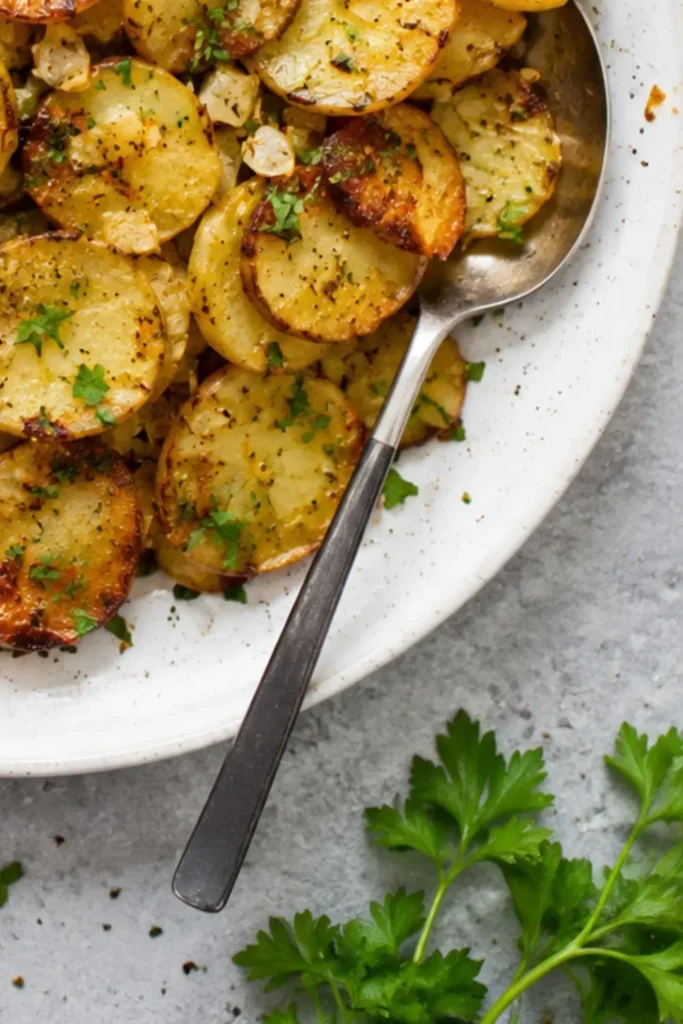
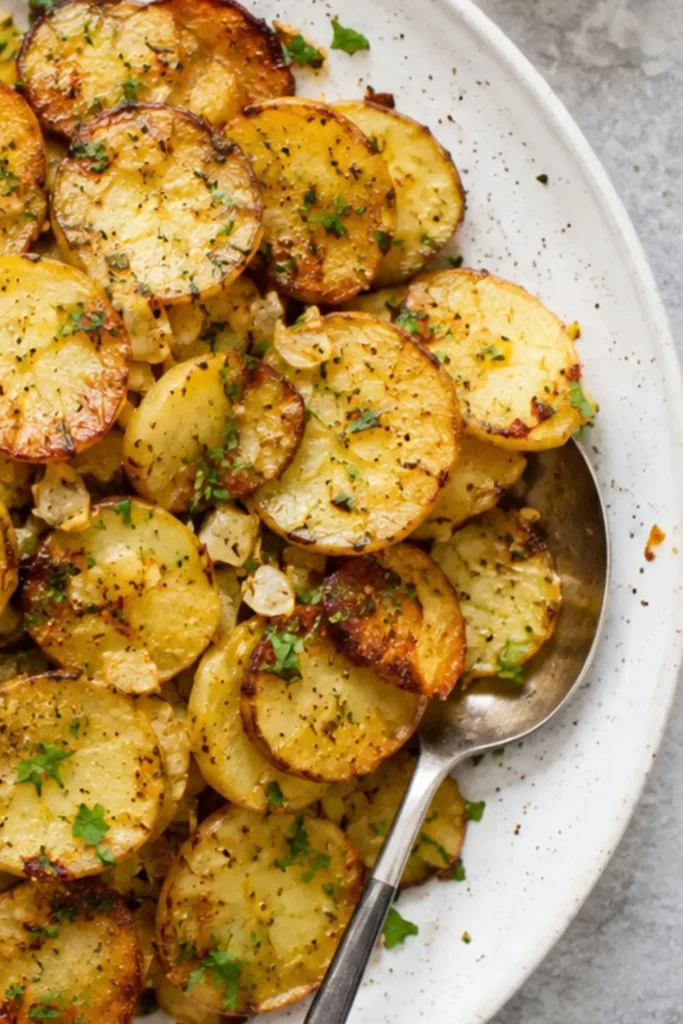
- Comes out golden, bubbly, and deeply satisfying – exactly what scalloped potatoes should be
My Recipe Timing & Servings
| Detail | Info |
| Prep Time | 15 minutes |
| Cook Time | 55 minutes (covered + uncovered oven time) |
| Total Time | 1 hour 10 minutes |
| Servings | 4 |
| Calories per serving | 238 kcal |
| Freezer Friendly | Up to 1 month |
| Refrigerator Storage | 2–3 days |
This recipe serves 4 people as a substantial side dish. For a dinner party of 8, double the recipe and use a larger baking dish or two separate skillets the sauce-building and blending process works identically at double volume. The bake time increases by about 10 minutes when working with a larger, deeper dish. Start testing for doneness with a knife at the 55-minute mark rather than 60.
Nutritional Breakdown Per Serving
| Nutrient | Per Serving (1 of 4) |
| Calories | 238 kcal |
| Carbohydrates | 24.8g |
| Protein | 8.5g |
| Fat | 12.5g |
| Saturated Fat | 1.6g |
| Fiber | 3.8g |
| Sugar | 1.1g |
| Sodium | 342mg |
| Potassium | 613mg |
| Cholesterol | 0mg |
The 8.5g of protein per serving comes primarily from the nutritional yeast a genuinely significant protein contribution from what is essentially a flavoring ingredient. The 613mg of potassium from the Yukon Gold potatoes rivals a banana and supports heart and muscle function. At only 1.6g of saturated fat, this is one of the most nutritionally responsible vegan potato side dishes you can serve at a dinner table.
Equipment You’ll Need For
The cast-iron skillet is the star of the equipment list, and everything else is standard:
- 10-inch cast-iron skillet (or oven-safe metal skillet) – this is the key piece of equipment that makes this a true one-pan recipe; it goes from stovetop sauce-building directly to the oven; a 10-inch size is ideal for 4 servings; if you don’t own a cast-iron, any oven-safe rimmed metal pan works, or transfer the sauce to a generously greased ceramic baking dish
- Blender – for the critical sauce-blending step that transforms a basic white sauce into a creamy, cheesy, deeply savory scalloped potato sauce; a high-speed blender produces the smoothest result; an immersion blender works if you’re careful, though the texture is slightly less uniform
- Whisk – essential during the stovetop sauce-building phase; a fork won’t prevent lumps the way a whisk does when you’re adding the almond milk gradually
- Sharp mandoline or sharp chef’s knife – for slicing the potatoes very thin; even, thin slices are critical for the potatoes to cook through properly during the bake time; inconsistent thicknesses mean some slices are perfectly tender while others remain undercooked
- Aluminum foil – for the covered first phase of baking (20 minutes); the foil traps steam that begins the cooking process; removing it for the second phase allows the top to brown and the sauce to reduce
- Measuring cups and spoons – accuracy matters significantly for the sauce; the ratio of cornstarch to liquid determines whether the sauce thickens correctly before blending
FYI, if your cast-iron skillet has seen better days or you’re unsure about its seasoning, grease it very generously with oil or vegan butter all the way up the sides before adding the potatoes. Potato starch is sticky and will grip any poorly-seasoned surface aggressively.
Full Ingredient List
For the Creamy Vegan Cheese Sauce
- 2½ tablespoons olive oil or avocado oil – for sautéing the garlic; sub water for an oil-free version
- 4 cloves garlic – minced; about 2 tablespoons; the garlic flavor mellows significantly during the sauté and baking phases so don’t worry about 4 cloves being too much
- ¼ teaspoon each sea salt and black pepper – plus more to taste throughout
- 2½ tablespoons cornstarch or arrowroot – the thickening agent; cornstarch produces a slightly glossier sauce, arrowroot produces a slightly clearer one; both work well
- 1½ cups unsweetened plain almond milk – room temperature for smoother incorporation; see plant milk alternatives below
- ½ cup vegetable broth – adds savory depth to the sauce base beyond what almond milk alone provides
- ⅛ teaspoon ground nutmeg – the quiet background note that makes the sauce taste classically gratin-style
- 4–5 tablespoons nutritional yeast -start at 4 and add a 5th after tasting; this is the primary cheese flavor driver and the quantity matters
For the Potato Layers
- 2–3 medium Yukon Gold potatoes – very thinly sliced; about ⅛ inch thick
- ¼ cup vegan parmesan cheese – divided in half between the two potato layers; Violife and Follow Your Heart both make excellent grated vegan parmesan
- ¼ teaspoon paprika (optional) – for color and a mild smoky-sweet finish
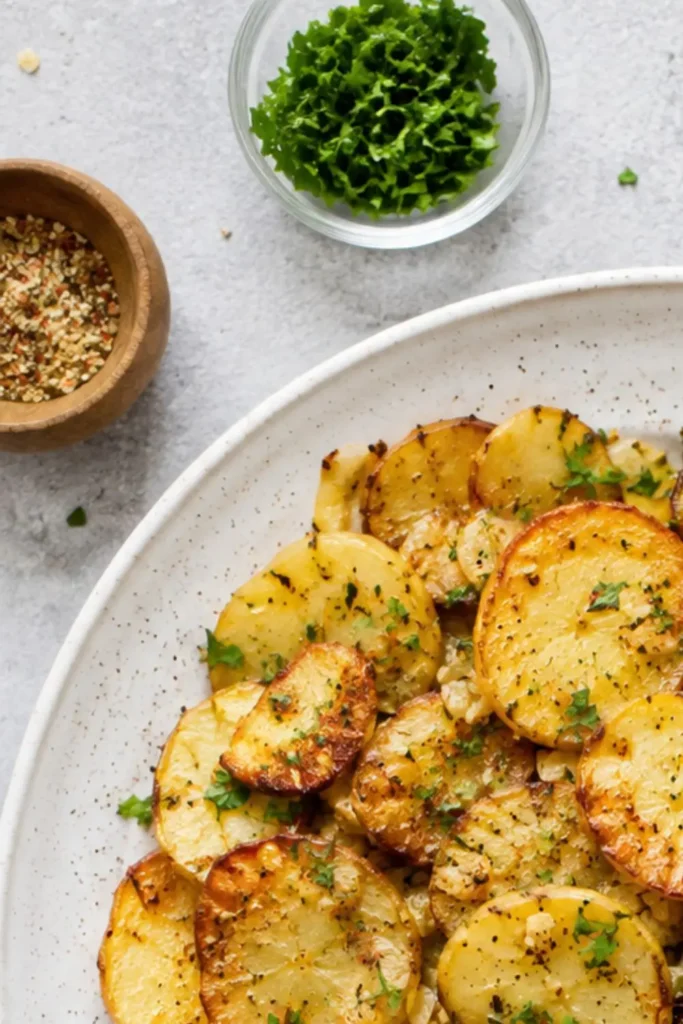
- Fresh parsley (optional) – for garnish after baking
Understanding the Sauce Why Every Ingredient Earns Its Place
The Cornstarch Roux Technique
Adding cornstarch directly to sautéed garlic and oil before any liquid creates a brief roux that coats the starch granules in fat. When the almond milk goes in slowly while whisking, the starch absorbs the liquid gradually rather than clumping which is why the “add a little at a time” instruction matters so much. Flood the pan at once and you get lumpy sauce that blending only partially fixes. Add slowly while whisking and the sauce comes together beautifully every time.
Why the Sauce Gets Blended
This is the step most home cooks skip or simplify and skipping it costs you the entire texture and flavor payoff. Blending the sauce after simmering does three things: it creates a completely smooth, lump-free base; it fully incorporates the nutritional yeast so the cheese flavor runs through every drop of sauce rather than sitting in clumps; and it aerates the mixture slightly, making it slightly lighter and creamier in texture. The blended version versus the unblended version are genuinely different eating experiences. Always blend.
Nutritional Yeast Quantity Don’t Be Shy
Four to five tablespoons sounds like a lot, and it is that’s entirely the point. The sauce needs to be aggressively seasoned before the potato layers go in because the potatoes absorb a significant amount of flavor during the 55-minute bake and soften everything considerably. A timidly seasoned sauce produces bland, underwhelming scalloped potatoes. A boldly seasoned one produces the deeply savory, cheesy, comforting dish that earns its place on a dinner table.
Plant Milk Alternatives What Works Beyond Almond Milk
The recipe uses unsweetened plain almond milk, but several alternatives produce equally good results:
- Oat milk (unsweetened) – slightly creamier than almond milk; produces a slightly richer sauce; use the plain unsweetened variety; vanilla or sweetened varieties will make the sauce taste odd
- Cashew milk (unsweetened) – the richest, most luxurious option; produces a sauce closest to a traditional cream-based gratin; if cashew milk is available, it’s worth using for special occasions
- Soy milk (unsweetened plain) – higher in protein than most other plant milks; produces a slightly thicker sauce with more body; an excellent choice
- Full-fat coconut milk– the coconut flavor comes through noticeably in the finished dish and not everyone loves it in a savory gratin; use only if you enjoy the flavor combination
Avoid: sweetened or flavored varieties of any plant milk the sweetness interferes with the savory sauce in a way that no amount of extra salt fixes.
Step-by-Step Instructions For
Step 1- Build the Garlic Base
Preheat your oven to 350°F (176°C). Heat your cast-iron skillet over medium heat. Add the olive oil, minced garlic, salt, and pepper. Sauté, stirring frequently, for 1–2 minutes until the garlic turns just lightly golden at the edges. Watch it carefully garlic goes from golden to burnt in about 20 seconds at medium heat, and burnt garlic cannot be rescued.
Step 2- Make the Roux
Add the cornstarch or arrowroot to the garlic and oil. Whisk immediately and continuously for 1 minute this cooks out the raw starch flavor and creates the thickening base for the sauce. The mixture will look pasty and dry, which is exactly correct.
Step 3- Build the Sauce Slowly
With the whisk in hand, add the almond milk a small splash at a time, whisking each addition fully into the roux before adding more. Take your time with this step. Add too much too fast and the roux can’t absorb it evenly. Once all the almond milk is incorporated, add the vegetable broth and whisk to combine.
Reduce heat to low and simmer for 4–5 minutes, whisking frequently, until the sauce thickens to a consistency that coats the back of a spoon. It won’t be as thick as a finished béchamel — more like a thick creamy soup at this stage.
You may also like Next recipe
Vegan Scalloped Potatoes Recipe
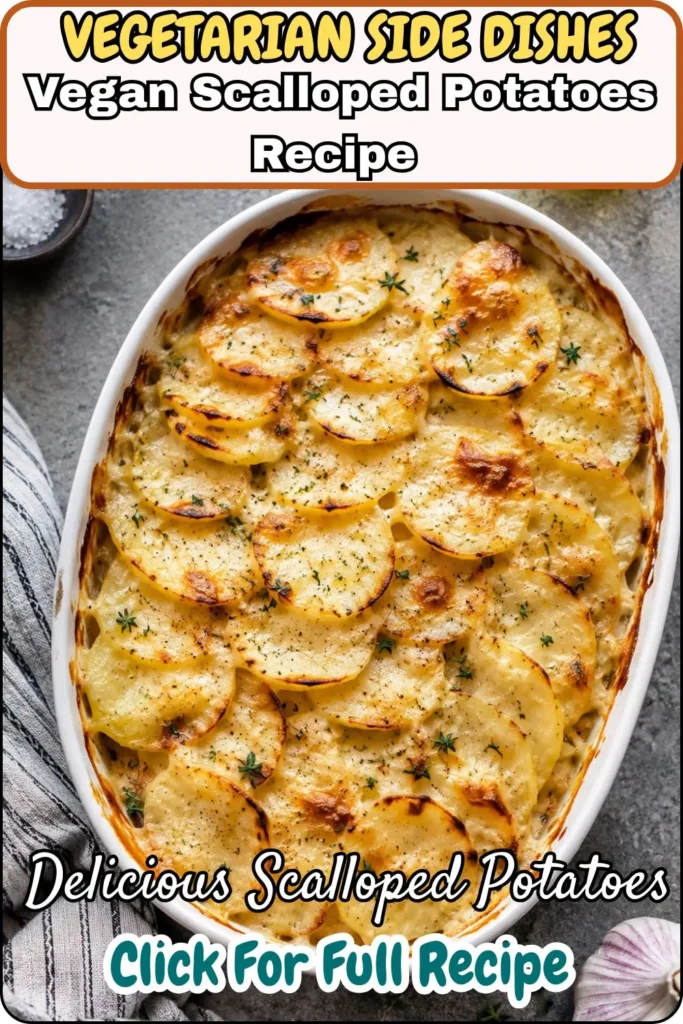
Step 4- Blend the Sauce
Turn off the heat. Transfer the sauce from the skillet into your blender. Add the nutmeg, a pinch more salt, pepper, and nutritional yeast. Blend on high until completely smooth and creamy about 60 seconds. Open the blender, taste the sauce, and adjust aggressively: more nutritional yeast for more cheese flavor, more salt for more depth, more nutmeg for more warmth. The sauce should taste boldly cheesy and savory at this stage it will mellow significantly during baking.
Step 5- Prepare the Skillet and Layer the Potatoes
Rinse your skillet lightly and grease it generously with oil or vegan butter, coating all the way up the sides. Lay down half the thinly sliced potatoes in the skillet. Season with salt and pepper and toss lightly to coat. Spread them into a relatively flat layer and sprinkle 2 tablespoons of vegan parmesan over the top.
Add the remaining potato slices, season again with salt and pepper, and loosely arrange them. Pour the blended sauce over the entire potato surface. Sprinkle the remaining 2 tablespoons of vegan parmesan over the top. Push the potatoes down gently with your fingers to submerge them in the sauce the sauce should just cover the top layer. Remove any potatoes that stick well above the sauce surface; they’ll burn during baking rather than cook through.
Step 6- Bake Covered, Then Uncovered
Cover the skillet tightly with aluminum foil and place on the middle oven rack. Bake for 20 minutes the foil traps steam that begins cooking the potato layers through and prevents the sauce from drying out too quickly. After 20 minutes, remove the foil and continue baking for 40–45 minutes until the top is deeply golden and bubbly and a knife slides into the potatoes without any resistance whatsoever.
The uncovered phase is what creates the gorgeous golden top. Don’t rush it a pale, barely-set top means the potatoes underneath haven’t finished cooking.
Step 7- Rest and Serve
Remove the skillet from the oven and let the potatoes rest for at least 10 minutes before serving. The sauce continues to set and thicken during this rest and the individual portions hold together much better after cooling slightly. Garnish with fresh parsley and a dash of paprika for color if desired. Serve directly from the skillet it looks fantastic presented this way and keeps everything warm at the table.
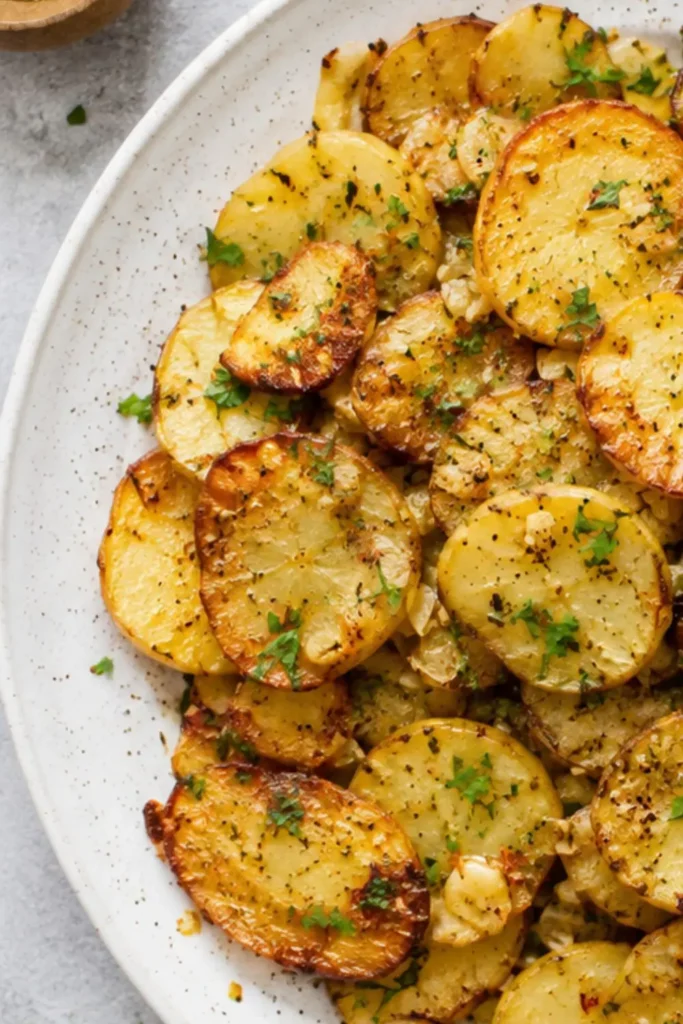
Tips for Perfect One Pan Vegan Scalloped Potatoes
Slice the Potatoes Paper-Thin
⅛ inch is the target thickness for the potato slices. Thicker slices don’t cook through in the 55-minute bake time and produce tough spots in otherwise creamy, tender layers. A mandoline set to the thinnest setting produces the most consistent results; a sharp knife and patience works too but requires focus. Consistent thickness = even cooking across every layer.
Season Each Layer
When you build the potato layers, season each layer individually with salt and pepper rather than seasoning only the sauce and hoping it penetrates everything. Salt helps draw moisture from the potato cells, which improves the texture and helps each layer absorb the sauce more thoroughly during baking.
Test Doneness with a Knife, Not a Fork
A fork has multiple tines and can create the illusion of tenderness by sliding between soft spots. A single knife blade tells you the true story. The knife should slide through every layer completely without resistance if it catches anywhere, the potatoes need more time. Add 10-minute increments and test again.
Storage & Make-Ahead Guide
| Storage | Duration | Reheating |
| Refrigerator (covered) | 2–3 days | Oven at 350°F until heated through; add a splash of almond milk if needed |
| Freezer (airtight) | Up to 1 month | Thaw overnight in fridge, reheat in oven |
| Make-ahead (assembled, unbaked) | Up to 24 hours | Bake directly from fridge; add 10–15 min to bake time |
The make-ahead assembled option is genuinely useful for dinner party cooking. Assemble the entire dish the evening before sauce, potato layers, everything cover tightly with foil, and refrigerate. Bake the day of your dinner directly from cold, adding about 10–15 minutes to the total bake time. The result is indistinguishable from same-day prep and the morning-of stress disappears completely.
My Final Thoughts
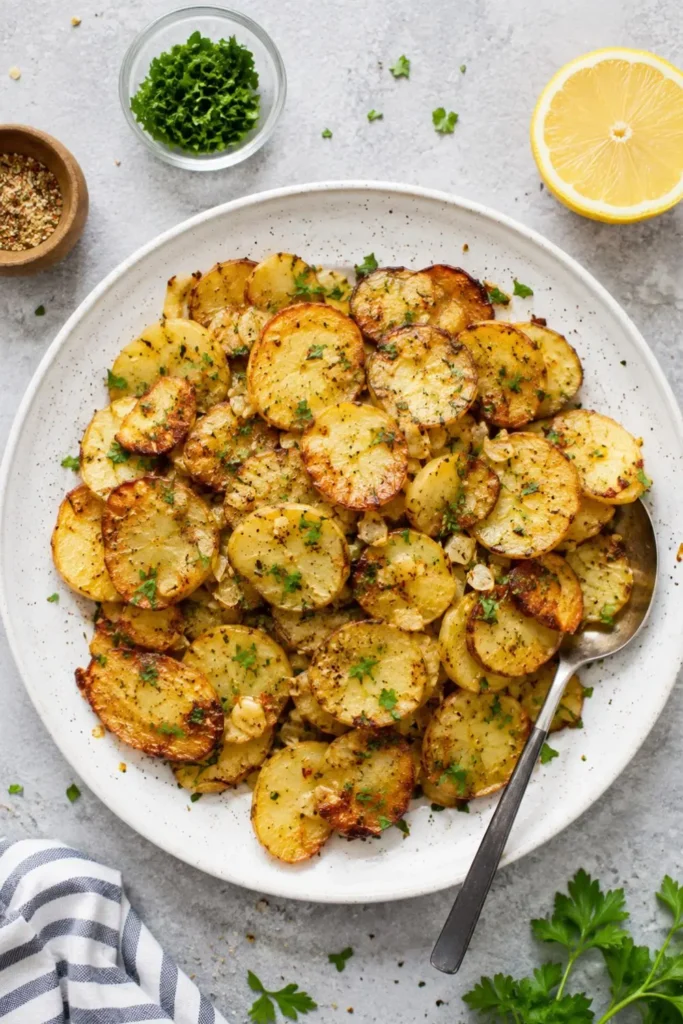
This one pan vegan potato side dish delivers everything that scalloped potatoes are supposed to deliver creamy, cheesy, golden, bubbly, and deeply comforting without a single drop of dairy. The almond milk and nutritional yeast sauce isn’t a compromise version of the classic; it’s a legitimately delicious sauce in its own right that happens to be entirely plant-based.
Make it for the people you want to impress, pull it out of the oven golden and bubbling, set it on the table in the cast-iron skillet, and watch it earn the silence that only genuinely great food produces. That’s the best compliment a dish can get. IMO, this one earns it every single time.
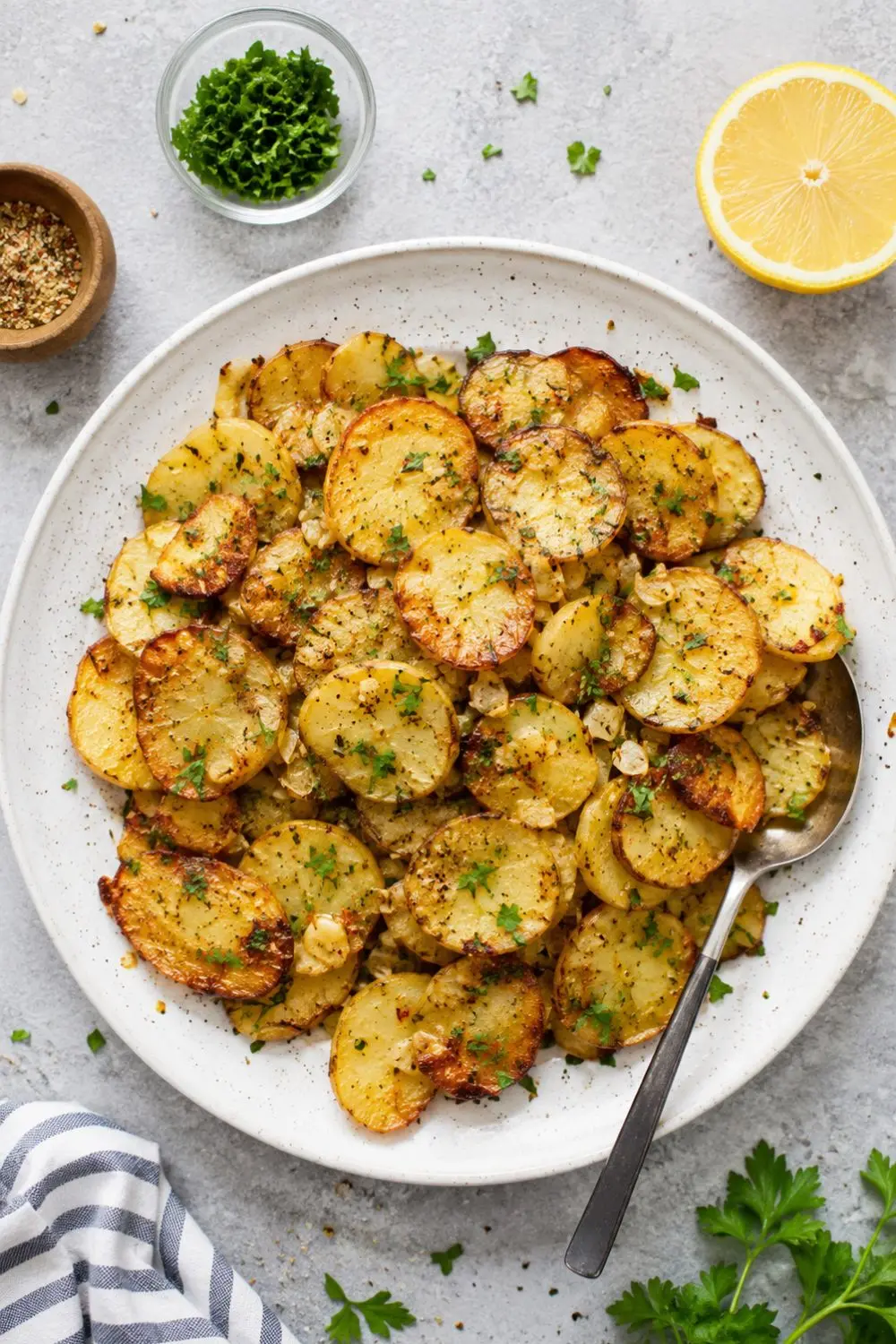
One Pan Vegan Potato Side Dish Creamy Vegan Scalloped Potatoes
Ingredients
Equipment
Method
- Step 1- Build the Garlic Base
- Preheat your oven to 350°F (176°C). Heat your cast-iron skillet over medium heat. Add the olive oil, minced garlic, salt, and pepper. Sauté, stirring frequently, for 1–2 minutes until the garlic turns just lightly golden at the edges. Watch it carefully garlic goes from golden to burnt in about 20 seconds at medium heat, and burnt garlic cannot be rescued.
- Step 2- Make the Roux
- Add the cornstarch or arrowroot to the garlic and oil. Whisk immediately and continuously for 1 minute this cooks out the raw starch flavor and creates the thickening base for the sauce. The mixture will look pasty and dry, which is exactly correct.
- Step 3- Build the Sauce Slowly
- With the whisk in hand, add the almond milk a small splash at a time, whisking each addition fully into the roux before adding more. Take your time with this step. Add too much too fast and the roux can’t absorb it evenly. Once all the almond milk is incorporated, add the vegetable broth and whisk to combine.
- Reduce heat to low and simmer for 4–5 minutes, whisking frequently, until the sauce thickens to a consistency that coats the back of a spoon. It won’t be as thick as a finished béchamel — more like a thick creamy soup at this stage.
- Step 4- Blend the Sauce
- Turn off the heat. Transfer the sauce from the skillet into your blender. Add the nutmeg, a pinch more salt, pepper, and nutritional yeast. Blend on high until completely smooth and creamy about 60 seconds. Open the blender, taste the sauce, and adjust aggressively: more nutritional yeast for more cheese flavor, more salt for more depth, more nutmeg for more warmth. The sauce should taste boldly cheesy and savory at this stage it will mellow significantly during baking.
- Step 5- Prepare the Skillet and Layer the Potatoes
- Rinse your skillet lightly and grease it generously with oil or vegan butter, coating all the way up the sides. Lay down half the thinly sliced potatoes in the skillet. Season with salt and pepper and toss lightly to coat. Spread them into a relatively flat layer and sprinkle 2 tablespoons of vegan parmesan over the top.
- Add the remaining potato slices, season again with salt and pepper, and loosely arrange them. Pour the blended sauce over the entire potato surface. Sprinkle the remaining 2 tablespoons of vegan parmesan over the top. Push the potatoes down gently with your fingers to submerge them in the sauce the sauce should just cover the top layer. Remove any potatoes that stick well above the sauce surface; they’ll burn during baking rather than cook through.
- Step 6- Bake Covered, Then Uncovered
- Cover the skillet tightly with aluminum foil and place on the middle oven rack. Bake for 20 minutes the foil traps steam that begins cooking the potato layers through and prevents the sauce from drying out too quickly. After 20 minutes, remove the foil and continue baking for 40–45 minutes until the top is deeply golden and bubbly and a knife slides into the potatoes without any resistance whatsoever.
- The uncovered phase is what creates the gorgeous golden top. Don’t rush it a pale, barely-set top means the potatoes underneath haven’t finished cooking.
- Step 7- Rest and Serve
- Remove the skillet from the oven and let the potatoes rest for at least 10 minutes before serving. The sauce continues to set and thicken during this rest and the individual portions hold together much better after cooling slightly. Garnish with fresh parsley and a dash of paprika for color if desired. Serve directly from the skillet it looks fantastic presented this way and keeps everything warm at the table.
Notes
Nutritional Breakdown Per Serving
| Nutrient | Per Serving (1 of 4) |
| Calories | 238 kcal |
| Carbohydrates | 24.8g |
| Protein | 8.5g |
| Fat | 12.5g |
| Saturated Fat | 1.6g |
| Fiber | 3.8g |
| Sugar | 1.1g |
| Sodium | 342mg |
| Potassium | 613mg |
| Cholesterol | 0mg |

Hi — I’m Rachel. I’m a wife, a mom, and a home cook who believes that food should bring comfort, joy, and compassion to the table. I live with my family — two hungry little foodies who are my most honest recipe testers — and together we’ve built a kitchen culture that’s all about good food that happens to be 100% vegan. I started this blog because I wanted a place to share the recipes that keep our days moving, the dishes that make weeknights feel a little easier, and the meals that become our little family traditions.