
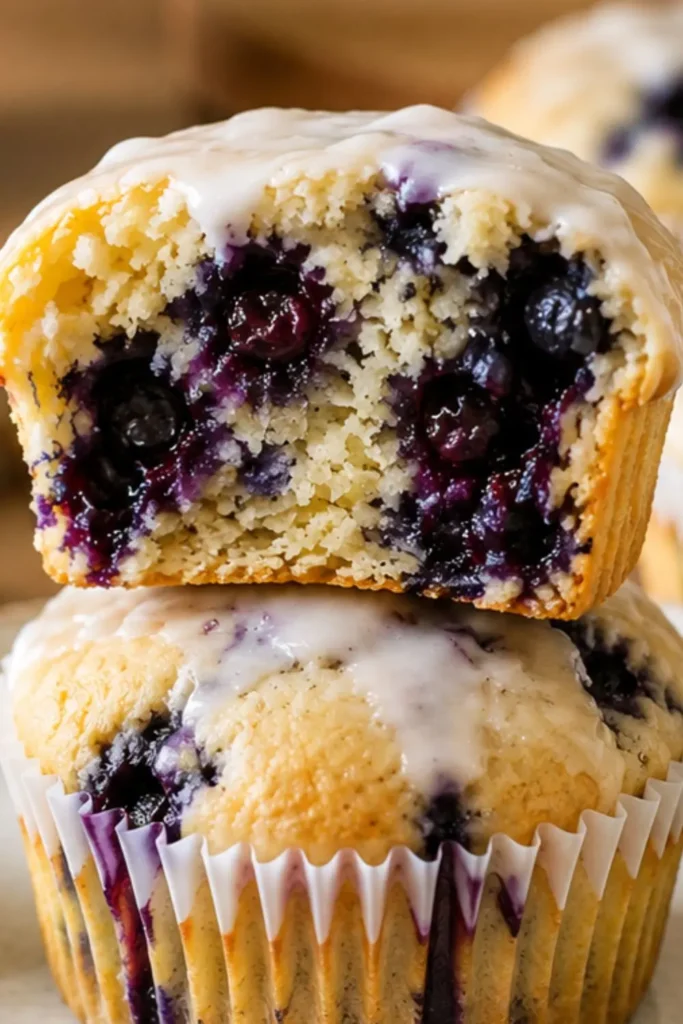
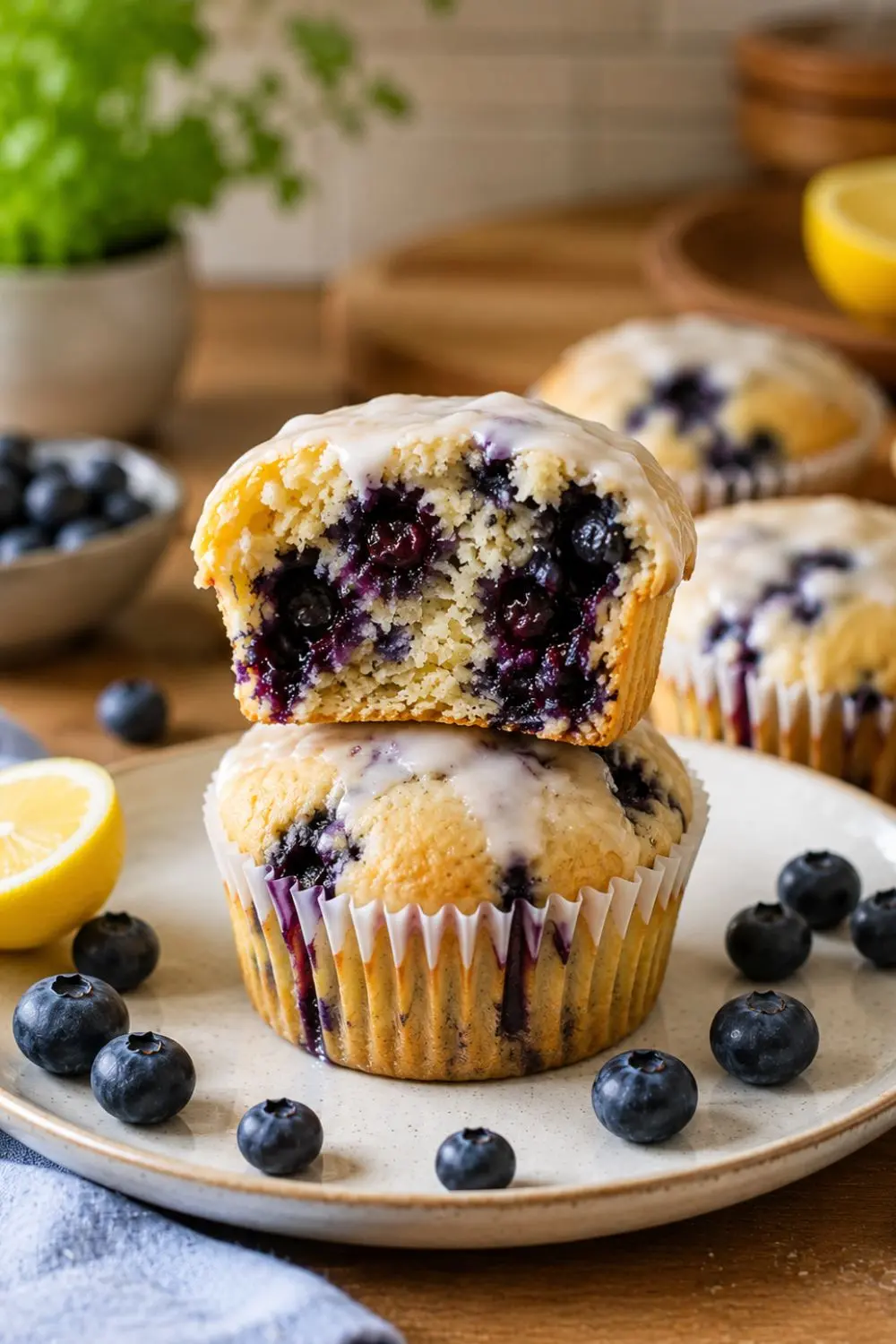
There’s a specific kind of disappointment that comes with a vegan gluten-free muffin that promised bakery-style and delivered something closer to a dense, gummy puck. You know the kind. This recipe is the antidote to that. These Vegan and Gluten-Free Blueberry Muffins have the domed tops, tender crumb, golden edges, and jammy blueberry pockets that make a bakery muffin worth getting out of bed for and they happen to contain zero eggs, zero dairy, and zero gluten.
I spent more attempts than I care to admit getting this combination right. Vegan baking alone requires swaps. Gluten-free baking alone requires swaps. Doing both at once requires understanding what each ingredient actually does and replacing it precisely. The result sitting in front of you right now is worth every trial batch that didn’t make it. Let me walk you through exactly how to nail these.

My Recipe Details at a Glance
Everything you need before preheating the oven:
- Course- Breakfast, Snack, or Brunch
- Prep Time- 10 minutes
- Cook Time- 22–25 minutes
- Total Time- 35 minutes
- Yield- 12 standard muffins
- Calories per Muffin- approximately 195–220 kcal (varies by milk and oil used)
- Diet- 100% Vegan, Gluten-Free, Dairy-Free, Egg-Free
These muffins serve 12 people as individual portions, or store beautifully for a week of grab-and-go summer breakfasts.
Why Vegan AND Gluten-Free Is Harder Than It Looks
Eggs do about four things in a conventional muffin: they bind, they add moisture, they provide structure, and they help with lift. Gluten does something equally important it creates the network that traps air bubbles from baking powder and gives the muffin its springy, tender structure.
Remove both and you’re left with a batter that has no natural binder, no gluten network, and a tendency to bake into something flat, dense, and gummy if you’re not careful. The solution is using the right combination of replacements each one handling a specific job that eggs or gluten used to cover. Once you understand that logic, the recipe makes complete sense.
Equipment You’ll Need For
Simple setup, nothing exotic:
- A standard 12-cup muffin tin – The pan your muffins bake in determines how they rise. A good quality, heavy muffin tin distributes heat evenly so the tops dome up properly. Dark pans bake faster reduce your temperature by 25°F if yours is very dark.
- Muffin liners or cooking spray – Gluten-free batters tend to stick more than conventional ones. Use both if you’ve had sticking issues before a light spray of cooking spray inside the liner is the trick that saves you from muffins that tear apart on unwrapping.
- Two large mixing bowls– One for dry ingredients, one for wet. Keeping them separate until the last moment produces a better-textured muffin than mixing everything together at once.
- A whisk and a silicone spatula – The whisk combines dry ingredients thoroughly; the spatula folds wet into dry gently without overworking the batter.
- A kitchen scale (optional but recommended) – Gluten-free flour blends vary significantly by brand in density. Measuring by weight removes the variable completely and gives you consistent results every time.
- An ice cream scoop or large spoon – For portioning batter evenly between cups. Even portions even baking.
- A toothpick – For testing doneness. Essential for gluten-free baking where visual cues can be deceiving.
Ingredients What Goes In and Why
The Dry Ingredients
- 2 cups (240g) gluten-free all-purpose flour blend – Use a blend that contains xanthan gum or guar gum, or add ½ teaspoon separately. These gums replace the binding function of gluten, creating a network that holds the muffin together. Bob’s Red Mill 1-to-1 Gluten-Free Baking Flour and King Arthur Measure for Measure are both excellent and widely available. Don’t use single-ingredient flours like almond flour or rice flour alone they lack the balance needed for proper muffin structure.
- 2 teaspoons baking powder – The primary lift agent. Check the date on yours old baking powder produces flat muffins with no dome, and no amount of technique fixes that. FYI, if it’s been open for more than 6 months, it’s probably worth replacing.
- ½ teaspoon baking soda – Works alongside baking powder and reacts with the acid in the lemon juice to create extra lift and browning.
- ½ teaspoon salt – Balances sweetness and deepens every other flavor in the muffin.
- ¾ cup (150g) granulated sugar – Regular white sugar, cane sugar, or coconut sugar all work. Coconut sugar adds a subtle caramel undertone and produces a slightly darker muffin.
- 1 teaspoon lemon zest – Optional but genuinely transformative. Lemon and blueberry is a classic flavor pairing for a reason the citrus brightens the berry flavor and makes the whole muffin taste more vibrant and alive.
The Egg Replacements and Wet Ingredients
- 2 flax eggs – Mix 2 tablespoons of ground flaxseed with 6 tablespoons of water and let sit for 5 minutes until it thickens into a gel. Flax eggs provide binding, structure, and a subtle nutty flavor that works beautifully in a fruit muffin. Chia eggs (same ratio) work identically if you prefer.
- 1 cup (240ml) unsweetened non-dairy milk – Oat milk produces the most neutral, tender result. Almond milk works well for a slightly lighter muffin. Soy milk adds a little extra protein and body. Avoid canned coconut milk too heavy and fatty for this batter.
- 1 tablespoon apple cider vinegar – Stir this into your non-dairy milk and let it sit for 5 minutes. It curdles slightly into plant-based “buttermilk” that reacts with the baking soda during baking to produce extra lift and a more tender crumb. This step is not optional it makes a noticeable difference in both height and texture.
- ⅓ cup (80ml) neutral oil – Avocado oil, melted refined coconut oil, or sunflower oil all work. Oil keeps gluten-free vegan muffins moist far more effectively than vegan butter, which can make them slightly drier as it sets on cooling.
- 1 teaspoon vanilla extract – Adds aromatic depth and makes the muffin taste finished rather than flat.
- 2 tablespoons lemon juice – Brightens the flavor and reacts with the baking soda for additional lift.
The Star Ingredient
- 1½ cups (225g) fresh blueberries – Fresh blueberries are strongly preferred over frozen for bakery-style muffins. Fresh berries hold their shape during baking and create distinct, jammy pockets. Frozen berries release more water into the batter, which can make gluten-free muffins gummy. If you must use frozen, don’t thaw them first toss them straight from frozen into the batter to minimize moisture release.
Optional Bakery-Style Topping
- 2 tablespoons coarse sugar (turbinado or demerara) – Sprinkle over the tops before baking. This is what gives bakery muffins that slightly crunchy, sparkling top that makes them look professional and taste a little more special. IMO, it’s worth the extra 30 seconds.
You may also like Next recipe
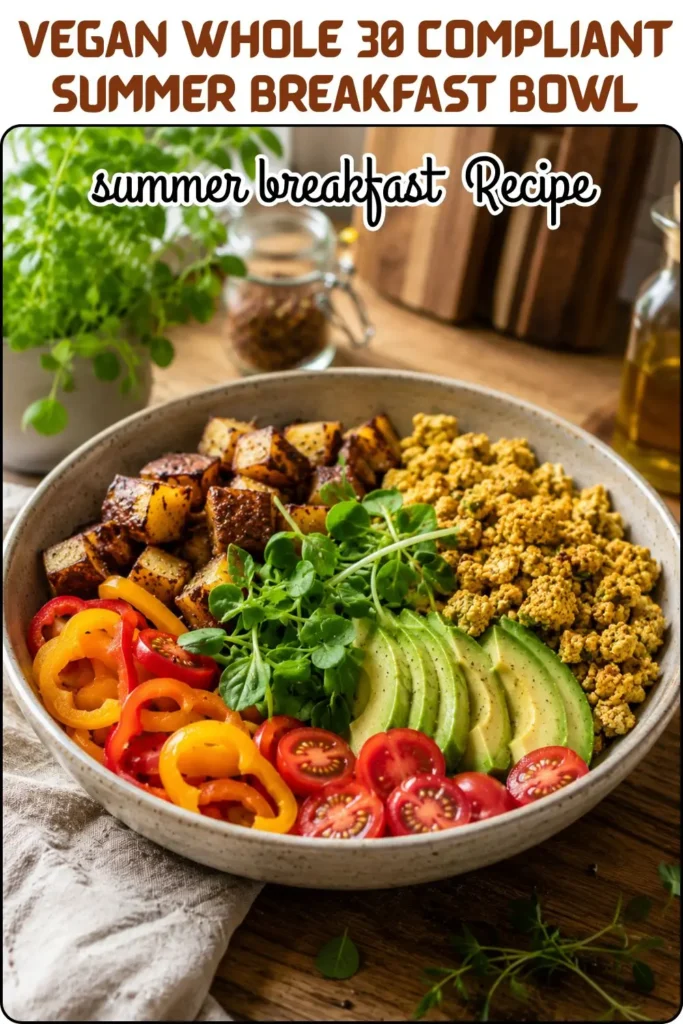
Vegan Whole 30 Compliant Summer Breakfast Bowl
How to Make Vegan Gluten-Free Blueberry Muffins
Step 1 – Preheat and Prep
Preheat your oven to 425°F (220°C). Yes, that’s hotter than most muffin recipes. Starting at a higher temperature creates a burst of steam inside the muffin that pushes the top up quickly, creating that tall, domed bakery-style crown. You’ll drop the temperature after a few minutes more on that below.
Line your muffin tin with liners and spray lightly with cooking spray. Make your flax eggs and set them aside to gel. Stir the apple cider vinegar into your non-dairy milk and set aside for 5 minutes.
Step 2 – Combine Dry Ingredients
In a large bowl, whisk together the gluten-free flour, baking powder, baking soda, salt, sugar, and lemon zest. Whisk thoroughly lumpy dry ingredients create uneven muffins with pockets of baking powder that taste metallic.
Step 3 – Combine Wet Ingredients
In a second bowl, whisk together the flax eggs (now gelled), the “buttermilk” mixture, oil, vanilla extract, and lemon juice. Whisk until fully combined and slightly emulsified.
Step 4 – Fold Together Gently
Pour the wet ingredients into the dry ingredients and use your silicone spatula to fold gently until just combined. Stop mixing the moment no dry flour is visible. Gluten-free batters don’t develop gluten, so you can’t really “overmix” the way you can with conventional flour but overworking the batter breaks down the air bubbles from your baking powder and leavening, which deflates your muffin dome. A few small lumps are completely fine.
Fold in the blueberries last, using 2–3 gentle strokes. Coat them in batter rather than crushing them.

Step 5 – Portion and Top
Use an ice cream scoop to fill each muffin cup approximately ¾ full. For bakery-style height, fill cups slightly higher almost to the top. Sprinkle coarse sugar over each muffin top generously.
Step 6 – The Two-Temperature Bake
Place muffins in the 425°F oven for exactly 5 minutes. Then without opening the oven door drop the temperature to 375°F (190°C) and bake for a further 17–20 minutes until a toothpick inserted into the center comes out clean. This two-temperature method is the professional bakery trick that creates the high dome without burning the tops or undercooking the center.
Step 7 – Cool Before Eating (Yes, Really)
Let muffins cool in the tin for 5 minutes, then transfer to a wire rack. Gluten-free muffins need the full cooling time to set their crumb structure cutting into them while still hot produces a gummy, underset interior that feels undercooked even when it isn’t. Wait at least 15 minutes.
Nutritional Overview (Per Muffin Approximate)
The exact nutritional values depend on your specific flour blend, non-dairy milk, and oil, but here’s a reliable estimate per standard muffin:
| Nutrient | Approximate Amount |
| Calories | 195–220 kcal |
| Carbohydrates | 30–34g |
| Protein | 2–3g |
| Fat | 7–9g |
| Saturated Fat | 1g |
| Fiber | 2–3g |
| Sugar | 14–16g |
| Sodium | 160–180mg |
These are treat-tier breakfast food, not a protein bowl but at under 220 calories per muffin, they sit comfortably alongside a piece of fruit and a coffee for a complete summer morning.
Why These Actually Taste Bakery-Style
Most homemade muffins fall short of bakery quality in three specific ways: the dome is flat, the crumb is dense, and the flavor is one-note. This recipe addresses all three directly.
The Dome
The 425°F blast at the start creates rapid upward rise before the exterior sets. Once the crust forms (around the 5-minute mark), the lowered temperature finishes the interior gently without burning. The result is a tall, rounded crown rather than a flat top.
The Crumb
The combination of flax egg (binding), apple cider vinegar buttermilk (tenderness and lift), and oil (moisture) creates a crumb that stays soft and springy even after cooling not gummy, not dry, not dense. The xanthan gum in your flour blend holds it all together.
The Flavor
Lemon zest, vanilla, a touch of lemon juice, and properly salted batter all push the flavor beyond “blueberry muffin” into something genuinely complex and bright. The blueberries jam slightly during baking and create pockets of intensely fruity sweetness against the subtly citrusy crumb.

Troubleshooting Common Gluten-Free Vegan Muffin Problems
Ever pull muffins from the oven and immediately know something went wrong? Here’s how to fix the most common issues before they happen:
- Flat tops with no dome- Your baking powder is old, your oven wasn’t hot enough at the start, or you filled the cups less than ¾ full. Use fresh leavening, start at 425°F, and don’t underfill.
- Gummy center- You under-baked them or cut into them too soon. Always test with a toothpick and wait the full cooling time. Gluten-free muffins set as they cool.
- Batter too thick to pour- Your flour blend absorbs more liquid than average. Add non-dairy milk one tablespoon at a time until the batter falls off the spatula slowly.
- Blueberries all sank to the bottom- Toss the blueberries in a teaspoon of gluten-free flour before folding into the batter. The light coating helps them stay suspended through baking.
- Muffins stuck to the liner- You skipped the cooking spray inside the liner. Gluten-free batters are stickier than conventional ones always spray, even with paper liners.
Storage These Keep Better Than You’d Expect
Gluten-free baked goods have a reputation for going stale fast. With the oil content in this recipe, these muffins hold up surprisingly well:
- Room temperature- Store in an airtight container for up to 2 days. Place a paper towel in the bottom of the container to absorb any excess moisture.
- Refrigerator- Keeps for up to 5 days. Warm briefly in the microwave for 20 seconds before eating to restore the soft texture.
- Freezer- Freeze individually wrapped muffins for up to 3 months. Thaw at room temperature for an hour or microwave from frozen for 45–60 seconds.
My Final Troughts

These Vegan and Gluten-Free Blueberry Muffins prove that bakery-style results don’t require eggs, dairy, or gluten they require understanding what those ingredients actually do and replacing them precisely. The two-temperature baking method gives you the dome. The flax egg and plant buttermilk give you the structure. The lemon zest and quality blueberries give you the flavor.
Make a full batch on Sunday and your summer breakfast situation handles itself for the entire week. Grab one on your way out the door, pair it with your morning coffee, and feel quietly smug about the fact that it tastes this good.
Vegan and Gluten-Free Blueberry Muffins
Ingredients
Equipment
Method
- Step 1 – Preheat and Prep
- Preheat your oven to 425°F (220°C). Yes, that’s hotter than most muffin recipes. Starting at a higher temperature creates a burst of steam inside the muffin that pushes the top up quickly, creating that tall, domed bakery-style crown. You’ll drop the temperature after a few minutes more on that below.
- Line your muffin tin with liners and spray lightly with cooking spray. Make your flax eggs and set them aside to gel. Stir the apple cider vinegar into your non-dairy milk and set aside for 5 minutes.
- Step 2 – Combine Dry Ingredients
- In a large bowl, whisk together the gluten-free flour, baking powder, baking soda, salt, sugar, and lemon zest. Whisk thoroughly lumpy dry ingredients create uneven muffins with pockets of baking powder that taste metallic.
- Step 3 – Combine Wet Ingredients
- In a second bowl, whisk together the flax eggs (now gelled), the “buttermilk” mixture, oil, vanilla extract, and lemon juice. Whisk until fully combined and slightly emulsified.
- Step 4 – Fold Together Gently
- Pour the wet ingredients into the dry ingredients and use your silicone spatula to fold gently until just combined. Stop mixing the moment no dry flour is visible. Gluten-free batters don’t develop gluten, so you can’t really “overmix” the way you can with conventional flour but overworking the batter breaks down the air bubbles from your baking powder and leavening, which deflates your muffin dome. A few small lumps are completely fine.
- Fold in the blueberries last, using 2–3 gentle strokes. Coat them in batter rather than crushing them.
- Step 5 – Portion and Top
- Use an ice cream scoop to fill each muffin cup approximately ¾ full. For bakery-style height, fill cups slightly higher almost to the top. Sprinkle coarse sugar over each muffin top generously.
- Step 6 – The Two-Temperature Bake
- Place muffins in the 425°F oven for exactly 5 minutes. Then without opening the oven door drop the temperature to 375°F (190°C) and bake for a further 17–20 minutes until a toothpick inserted into the center comes out clean. This two-temperature method is the professional bakery trick that creates the high dome without burning the tops or undercooking the center.
- Step 7 – Cool Before Eating (Yes, Really)
- Let muffins cool in the tin for 5 minutes, then transfer to a wire rack. Gluten-free muffins need the full cooling time to set their crumb structure cutting into them while still hot produces a gummy, underset interior that feels undercooked even when it isn’t. Wait at least 15 minutes.
Notes
Nutritional Overview (Per Muffin Approximate)
The exact nutritional values depend on your specific flour blend, non-dairy milk, and oil, but here’s a reliable estimate per standard muffin:| Nutrient | Approximate Amount |
| Calories | 195–220 kcal |
| Carbohydrates | 30–34g |
| Protein | 2–3g |
| Fat | 7–9g |
| Saturated Fat | 1g |
| Fiber | 2–3g |
| Sugar | 14–16g |
| Sodium | 160–180mg |

Hi — I’m Rachel. I’m a wife, a mom, and a home cook who believes that food should bring comfort, joy, and compassion to the table. I live with my family — two hungry little foodies who are my most honest recipe testers — and together we’ve built a kitchen culture that’s all about good food that happens to be 100% vegan. I started this blog because I wanted a place to share the recipes that keep our days moving, the dishes that make weeknights feel a little easier, and the meals that become our little family traditions.