
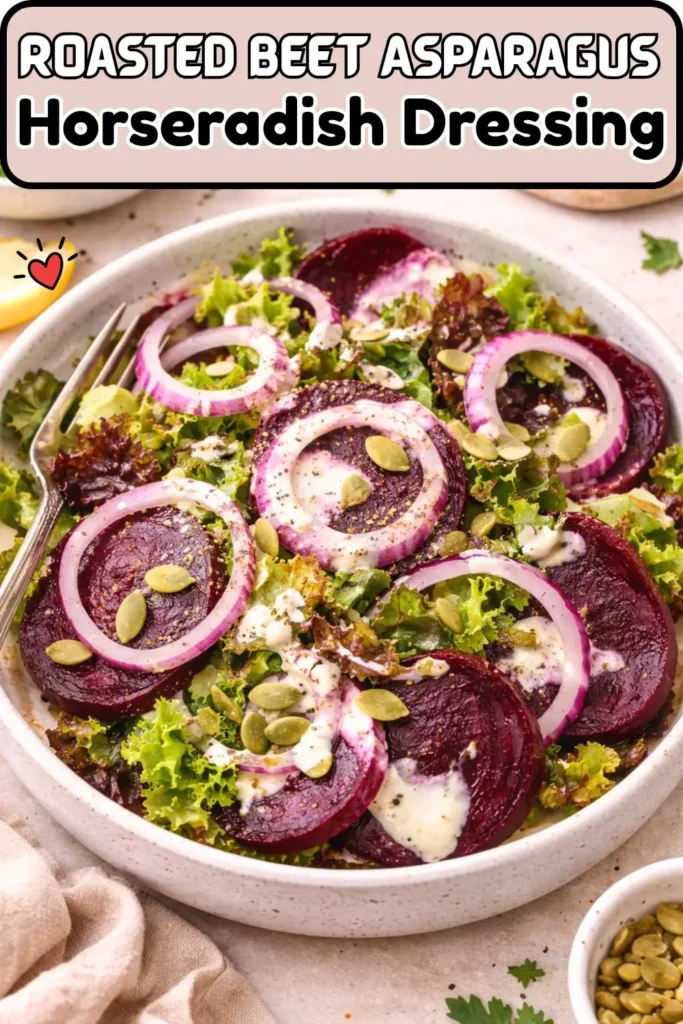
Deep ruby beets, tender roasted asparagus, a creamy horseradish dressing that actually has some personality — this Vegan Roasted Beet & Asparagus Grain Bowl with Horseradish Dressing is the kind of bowl that makes people stop scrolling and immediately ask for the recipe. It’s bold, it’s colorful, it’s packed with nutrition, and it comes together faster than you’d expect.
I started building grain bowls like this one when I realized that “salad for dinner” doesn’t have to mean sad and unsatisfying. Roasted beets over a hearty grain base with a punchy dressing? That’s a complete, satisfying meal. Add the horseradish dressing which most people wouldn’t think to put near a grain bowl and suddenly you’ve got something that genuinely surprises people in the best possible way.
What Is the Vegan Roasted Beet & Asparagus Grain Bowl?
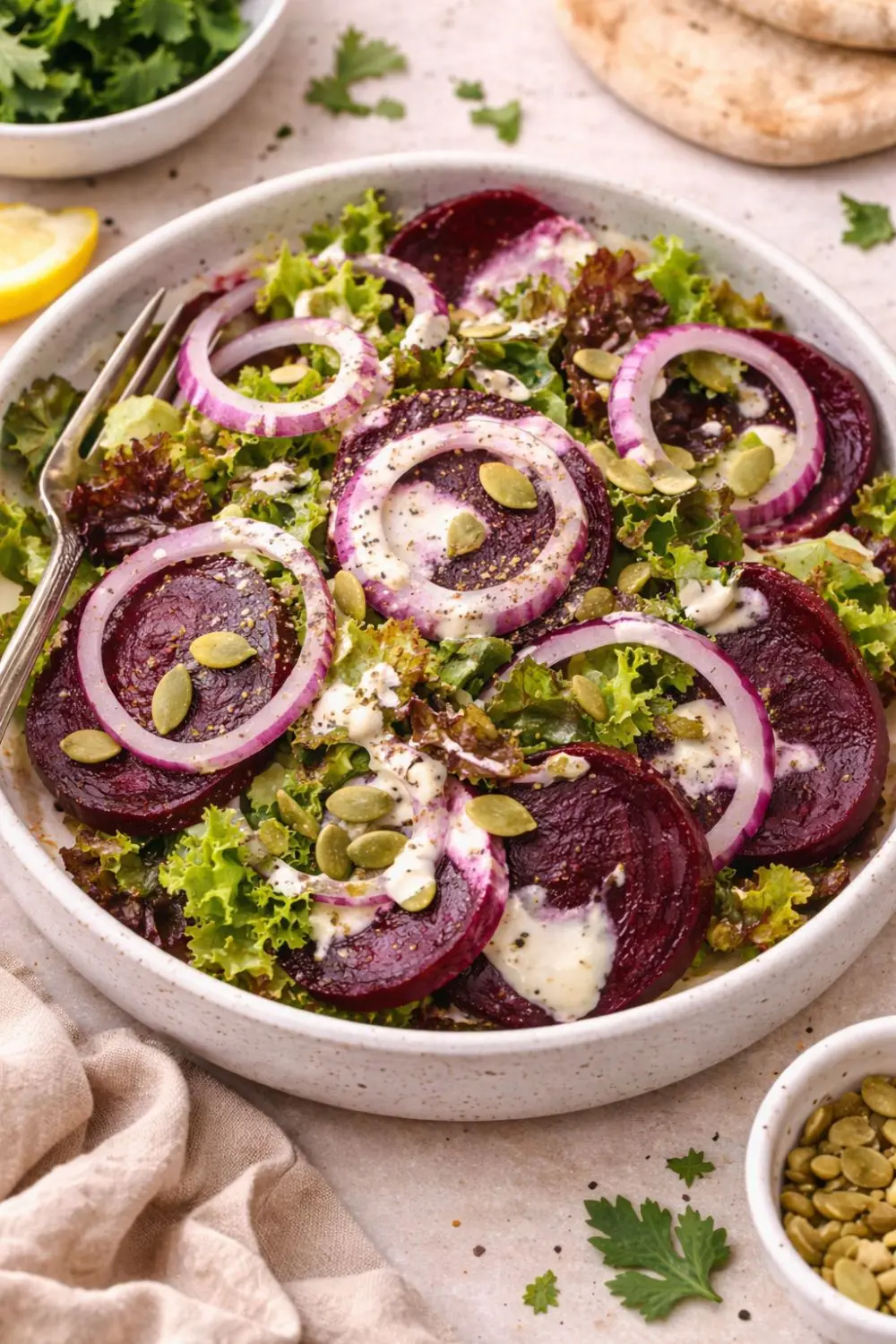
This is a spring grain bowl built on a base of cooked grains topped with roasted beets, freshly roasted asparagus, shaved red onion, red leaf lettuce, and crunchy roasted pumpkin seeds all dressed with a creamy vegan horseradish dressing that brings tang, heat, and depth to every bite.
The original recipe uses mayonnaise in the dressing this version swaps it for vegan mayo (same texture, same function, zero animal products) and ensures every component is fully plant-based.
It’s:
- 100% vegan with simple, accessible swaps
- 199 kcal per serving for the salad components alone — add grain base for a complete meal
- 4 generous servings
- Ready in 15 minutes once your beets and grains are prepped
- Naturally gluten-free depending on your grain choice
IMO, this is the grain bowl that converts people who think they don’t like beets. The horseradish dressing is the secret weapon it cuts through the earthiness of the beet and makes the whole bowl sing.
Why This Grain Bowl Is Perfect for Spring
Beets and Asparagus Are a Spring Power Pairing
Spring beets are sweeter and more tender than their autumn counterparts. Asparagus hits peak season in spring you’ll find it at its most flavorful, least woody, and most affordable from March through May. Using both in the same bowl is a seasonal no-brainer that maximizes freshness and flavor at exactly the right time of year.
Roasting both vegetables concentrates their natural sugars, deepens their flavor, and creates caramelized edges that add complexity a raw salad simply can’t match.
The Horseradish Dressing Changes Everything
Most grain bowls lean on tahini, lemon, or vinaigrette. This one uses a creamy horseradish dressing and that choice is what makes it genuinely memorable. Horseradish brings a sharp, peppery heat that balances the earthy sweetness of the beets perfectly. The Dijon mustard adds sharpness, the red wine vinegar adds brightness, and the vegan mayo ties it all together into something creamy and cohesive.
It’s a dressing you’ll want to put on everything else you make this week. FYI it works brilliantly on roasted carrots too.
Grain Bowls Are the Best Meal-Prep Format
Build the components separately and you have flexible, mix-and-match meals for days. Roast a tray of beets on Sunday, cook a big batch of grains, keep the dressing in a jar then assemble bowls in under 5 minutes on weeknights. This is plant-based eating at its most practical and most delicious.
Recipe Details
| Detail | Info |
| Prep Time | 15 minutes (plus roasting time) |
| Total Time | 15 minutes active |
| Servings | 4 people |
| Calories (salad components) | 199 kcal per serving |
| Full bowl with grains | ~380–420 kcal per serving |
| Cuisine | American |
| Course | Main, Salad |
| Diet | Vegan |
Kitchen Equipment You’ll Need
Clean, minimal kit for this one:
- Large baking tray — For roasting the beets and asparagus. Line it with parchment paper to prevent sticking and make cleanup effortless.
- Medium saucepan — For cooking your grain base (quinoa, farro, brown rice, or barley — your choice).
- Sharp knife and chopping board — For slicing the beets, trimming the asparagus, and shaving the red onion.
- Small mixing bowl and whisk — For making the horseradish dressing.
- Large salad bowl or four individual bowls — For assembling and serving the grain bowls.
- Vegetable peeler (optional) — For peeling fresh beets if you’re roasting from scratch. Skip entirely if you use pre-cooked packaged beets.
- Jar with lid — For storing leftover dressing in the fridge. The dressing keeps for up to a week and you’ll want it on hand.
Total equipment: two bowls, one tray, one pot. This is genuinely one of the most low-effort bowl recipes you’ll find.
Ingredients
For the Grain Base (choose one):
- 1 cup dry quinoa, farro, brown rice, or barley — cooked according to package instructions
- Or 2 cups pre-cooked grains from a packet (the 90-second microwave pouches work perfectly here)
For the Bowl:
- 1 head red leaf lettuce, roughly chopped
- 450g (16 oz) roasted beets — pre-packaged cooked beets or freshly roasted (see notes)
- ½ red onion, very thinly shaved
- ¼ cup roasted salted pumpkin seeds (pepitas)
- 1 bunch fresh asparagus (about 300g), woody ends trimmed
For the Vegan Horseradish Dressing:
- 2 tablespoons cream-style horseradish (check label — most are vegan)
- ¼ cup vegan mayonnaise (Hellmann’s Vegan, Veganaise, or any brand you like)
- 1 tablespoon red wine vinegar
- ½ teaspoon granulated sugar (or maple syrup)
- ½ teaspoon Dijon mustard
- ¼ teaspoon salt
- ¼ teaspoon white pepper
How to Roast the Beets and Asparagus
Roasting Beets from Scratch
If you roast your own beets rather than using pre-cooked, here’s how:
- Preheat the oven to 200°C (400°F)
- Scrub the beets clean and trim the tops and tails
- Wrap each beet individually in foil and place on a baking tray
- Roast for 45–60 minutes depending on size — they’re done when a knife slides in easily
- Let cool, then peel under running water (the skin slips right off)
- Slice or chunk as desired
Pre-cooked packaged beets are a completely valid shortcut — they save you an hour and taste great in this recipe. The vacuum-packed kind works perfectly. Nobody needs to know. 🙂
Roasting the Asparagus
- Trim the woody ends off the asparagus — bend each stalk and snap where it naturally breaks, or just cut about 2 inches off the bottom
- Spread on a lined baking tray, drizzle with 1 tablespoon olive oil, season with salt and pepper
- Roast at 200°C for 10–15 minutes until tender and lightly caramelized at the tips
- Let cool slightly before adding to the bowl
Roast the asparagus while the grain base cooks and the dressing comes together — everything finishes at roughly the same time.
How to Make the Vegan Horseradish Dressing
Add the vegan mayo, cream horseradish, red wine vinegar, sugar (or maple syrup), Dijon mustard, salt, and white pepper to a small bowl. Whisk vigorously until smooth and fully combined. Taste — it should be creamy, tangy, with a noticeable kick of heat from the horseradish.
Adjust as needed:
- More tang? Add a splash more red wine vinegar
- More heat? Add an extra teaspoon of horseradish
- Too thick? Thin with a teaspoon of water at a time
- Too sharp? Add a tiny pinch more sugar to balance
Store in a sealed jar in the fridge for up to 7 days. It thickens slightly when cold — just stir before using.
How to Assemble the Grain Bowl
Step 1: Build the Grain Base
Spoon a generous layer of cooked grains into each bowl — about ½ cup cooked grain per person as a base. Quinoa is the lightest and highest in protein; farro is nuttier and chewier; brown rice is the most neutral. All three work brilliantly here.
Step 2: Add the Greens
Layer chopped red leaf lettuce over the grains. Red leaf lettuce is ideal here — it’s tender enough not to overpower the other components but sturdy enough to hold up under the beets and dressing without wilting immediately.
Step 3: Arrange the Beets and Asparagus
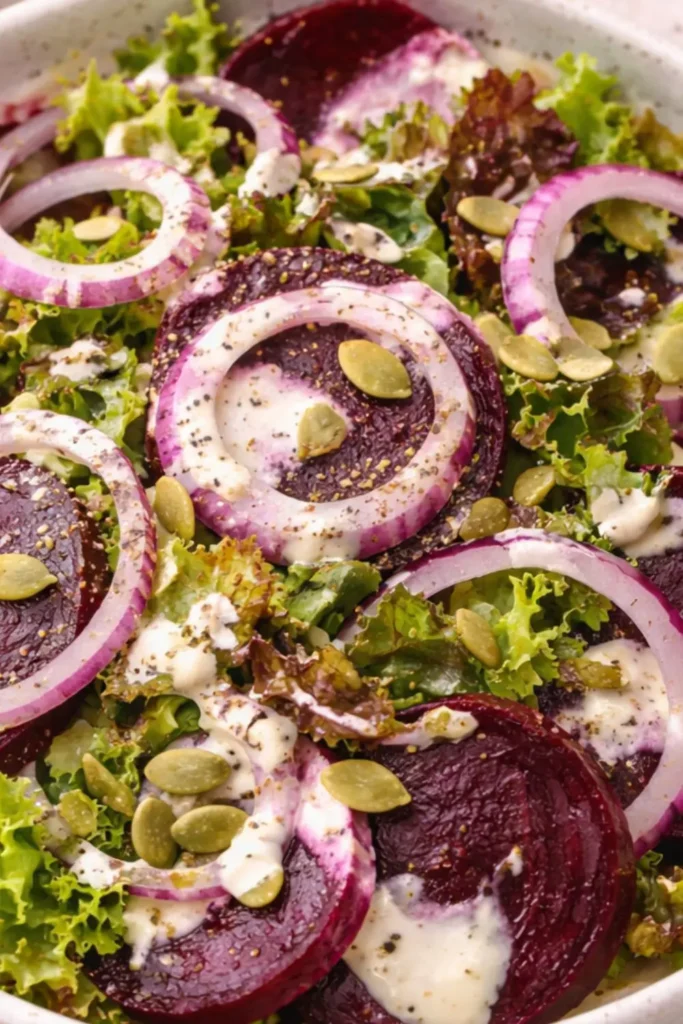
Slice the roasted beets into rounds or chunks and arrange over the lettuce. Lay the roasted asparagus alongside. Don’t overthink the arrangement — the deep purple-red of the beets and the bright green of the asparagus make the bowl look incredible regardless of how you place them.
Step 4: Add the Onion and Pepitas
Scatter the thinly shaved red onion over the bowl — use a sharp knife or mandoline for the thinnest possible slices. Thin-shaved onion is milder and more pleasant to eat raw than thick-cut chunks. Finish with a generous handful of roasted pumpkin seeds for crunch.
Step 5: Dress and Serve
Drizzle the horseradish dressing generously over each bowl. Serve immediately for the best texture — the lettuce stays crisp and the asparagus tips stay vibrant. If you’re meal prepping, keep the dressing separate and dress just before eating.
Full Nutritional Breakdown
Salad Components Per Serving (without grain base):
| Nutrient | Amount |
| Calories | 199 kcal |
| Carbohydrates | 15g |
| Protein | 4g |
| Fat | 14g |
| Fiber | 4g |
| Sugar | 10g |
| Sodium | 381mg |
| Potassium | 471mg |
| Vitamin C | 9mg |
| Iron | 2mg |
| Calcium | 32mg |
Full Bowl Estimate (with ½ cup cooked quinoa):
| Component | Approx. Calories |
| Salad components + dressing | ~199 kcal |
| ½ cup cooked quinoa | ~111 kcal |
| Roasted asparagus + olive oil | ~60 kcal |
| Total per serving | ~370 kcal |
At around 370 calories for a full grain bowl, this is a genuinely balanced, nutritionally complete spring dinner. The fat comes primarily from the vegan mayo dressing and pumpkin seeds — both sources of healthy unsaturated fats. The fiber from beets, asparagus, and grains keeps you full long after the bowl is empty.
Grain Base Options — Pros and Cons
Choosing the right grain makes a real difference to the final bowl. Here’s how the main options compare:
Quinoa
- Protein: ~8g per cooked cup — highest of all options
- Texture: Light, slightly chewy, fluffy
- Cook time: 15 minutes
- Best for: Lighter, lower-calorie bowls
Farro
- Protein: ~7g per cooked cup
- Texture: Nutty, chewy, substantial
- Cook time: 25–30 minutes
- Best for: Heartier, more filling bowls — the nuttiness pairs especially well with beets
Brown Rice
- Protein: ~5g per cooked cup
- Texture: Soft, neutral, familiar
- Cook time: 40–45 minutes (or use a microwave pouch)
- Best for: A neutral base that lets the beets and dressing lead
Barley
- Protein: ~4g per cooked cup
- Texture: Chewy, slightly creamy
- Cook time: 30–35 minutes
- Best for: A more substantial, rustic bowl with extra fiber
IMO, quinoa is the best all-round choice here — it’s the fastest to cook, highest in protein, and light enough not to compete with the bold flavors of the beets and dressing.
Still Hungry, Try It Next recipe :-
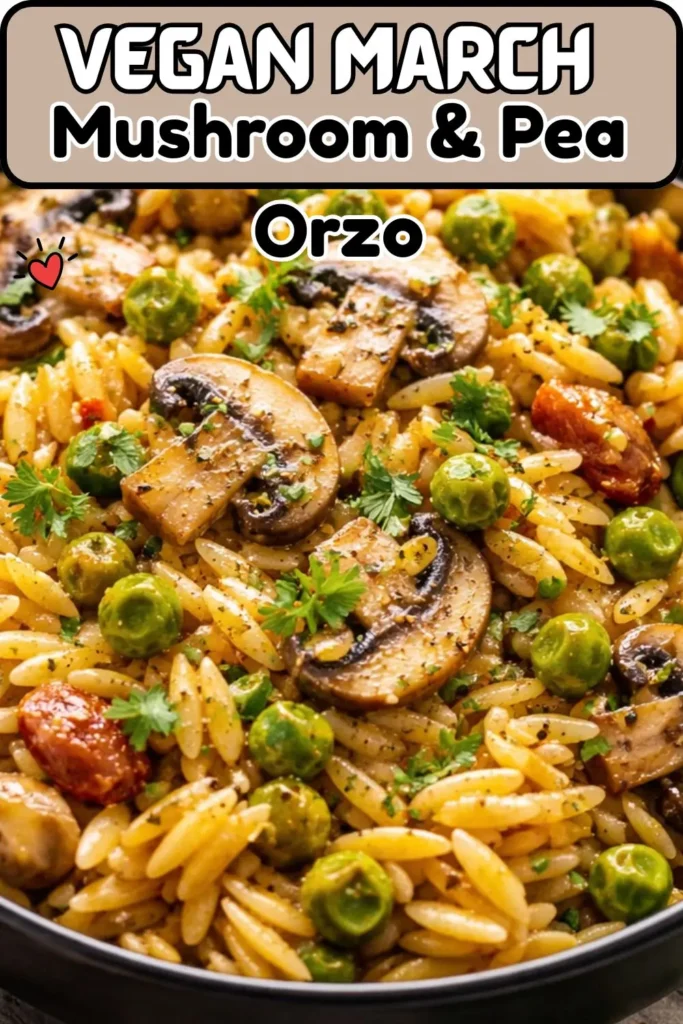
Vegan Spring Mushroom & Pea Orzo
Variations to Try
The Vegan Roasted Beet & Asparagus Grain Bowl welcomes additions and swaps:
- Swap red leaf lettuce for arugula — the peppery bite of arugula against the sweet beets is a genuinely excellent combination
- Add sliced avocado for creaminess and healthy fats
- Swap pumpkin seeds for toasted walnuts — walnut and beet is a classic pairing for good reason
- Add pickled red onion instead of raw shaved onion for a sharper, more complex flavor
- Add roasted chickpeas for extra plant protein and crunch
- Use golden beets alongside red beets for a more colorful bowl — golden beets have a milder, less earthy flavor
- Add crumbled vegan feta (Violife or homemade cashew feta) for a salty, tangy contrast to the sweet beets
How to Store and Meal Prep
For Meal Prep:
- Cook the grains in a big batch and store in the fridge for up to 5 days
- Roast the beets and asparagus in advance — both keep well in the fridge for 4–5 days in sealed containers
- Make the dressing and keep in a jar in the fridge for up to 7 days
- Assemble fresh — layer grains and toppings, dress just before eating
This approach turns the recipe into 5-minute weekday assembly once the Sunday prep is done.
For Leftovers:
Dressed grain bowls don’t store well — the lettuce wilts and the dressing absorbs into the grains. Store all components separately and undressed for best results. Assembled bowls should be eaten within 30 minutes of dressing.
What to Serve Alongside This Bowl
This is a complete, balanced meal on its own — but here are some great additions for a fuller spread:
- Warm flatbread or sourdough for scooping up extra dressing
- Vegan tzatziki as an additional dip alongside the main dressing
- A simple tomato and herb salad for extra freshness
- Roasted garlic hummus on the side — beets and hummus are a surprisingly wonderful combination
- Sparkling water with cucumber and mint — clean and refreshing alongside the bold, earthy bowl
Why Beets Deserve More Love in Plant-Based Cooking
Beets are one of the most nutritionally dense vegetables you can put in a bowl. They’re rich in:
- Folate — essential for cell function and tissue growth
- Manganese — supports bone health and metabolism
- Potassium — supports healthy blood pressure
- Dietary nitrates — associated with improved blood flow and exercise performance
- Betalain pigments — the compounds that give beets their deep red color and act as powerful antioxidants
They’re also naturally sweet, which means they add a flavor dimension that most vegetables simply can’t. In a grain bowl, beets do more work than almost any other ingredient — they add color, sweetness, nutrition, and a satisfying earthiness that anchors everything else.
The Case for Vegan Mayo in Dressings
A lot of people hesitate when a recipe calls for vegan mayo — either they haven’t tried it or they have memories of early versions that tasted nothing like the real thing. Modern vegan mayonnaise is genuinely excellent. Brands like Hellmann’s Vegan, Veganaise, and Just Mayo have nailed the emulsion, the richness, and the flavor.
In a dressing like this one, vegan mayo provides the creamy base that allows the horseradish and vinegar to shine without being harsh or sharp. It behaves identically to regular mayo in recipes — same consistency, same function, same result. Use it without hesitation.
Still Hungry, Try It Next recipe :-
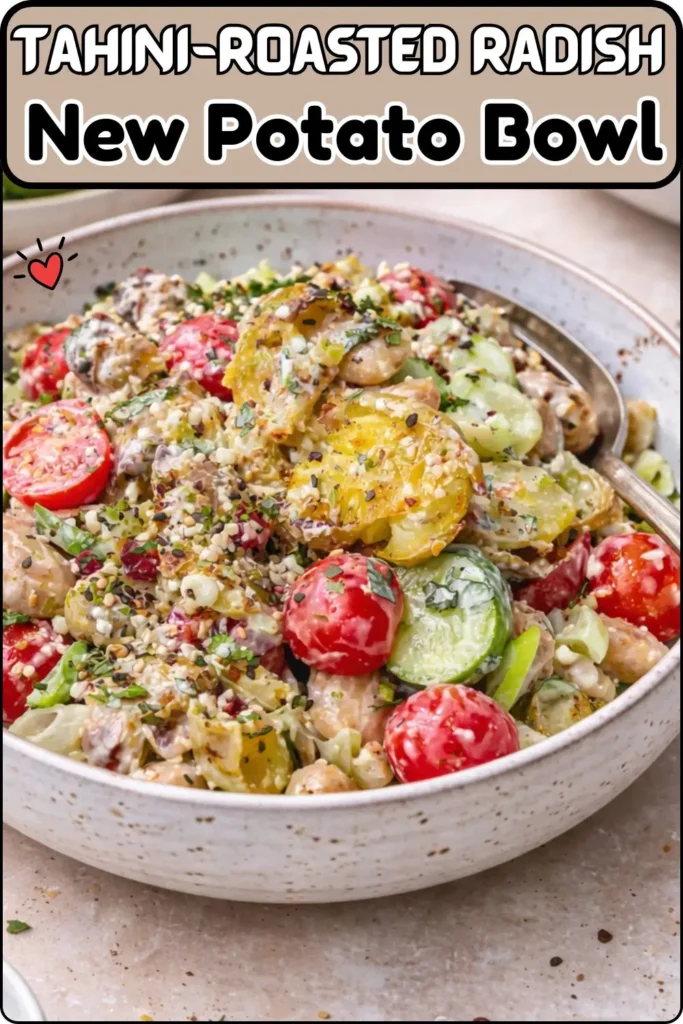
Vegan Tahini-Roasted Radish & New Potato Bowl
Frequently Asked Questions
Can I use pre-cooked packaged beets?
Absolutely — and honestly, this is the way to go for a quick weeknight bowl. Pre-cooked vacuum-packed beets (the plain, unseasoned kind) slice easily and taste great. They cut your prep time dramatically and the flavor difference from freshly roasted is minimal once they’re in a bowl with dressing.
Is cream-style horseradish vegan?
Most cream-style horseradish is vegan — it’s typically horseradish root, vinegar, salt, and a small amount of oil or cream. Always check the label to be certain. Brands like Inglehoffer and Gold’s Original Horseradish are generally vegan. Avoid any labeled “horseradish cream sauce” that lists dairy.
Can I make this bowl gluten-free?
Yes — use quinoa, brown rice, or buckwheat as your grain base, all of which are naturally gluten-free. Everything else in the recipe is already gluten-free. Just double-check your horseradish and Dijon mustard labels to be safe.
How do I shave red onions that thinly?
A mandoline slicer gives the thinnest, most even results. If you don’t have one, a very sharp knife and a steady hand works — aim for slices about 1mm thick. Thin-shaved onion is milder, less pungent, and much more pleasant to eat raw than thickly cut pieces.
My Final Thoughts
Vegan Roasted Beet & Asparagus Grain Bowl with Horseradish Dressing is everything a spring grain bowl should be — bold in color, complex in flavor, nutritionally complete, and genuinely satisfying from the first bite to the last. The horseradish dressing makes it stand out from every other grain bowl you’ve had, and the roasted beet-asparagus combination hits peak season flavor right now.
Build your grain base on Sunday. Roast the vegetables. Make a jar of that dressing. Then spend five minutes assembling one of the most visually stunning and nutritious spring dinners in your rotation.
Make it this week, serve it to someone who claims they don’t like beets, and watch them quietly ask for seconds.
Vegan Roasted Beet & Asparagus Grain Bowl with Horseradish Dressing Spring Dinner
Ingredients
Equipment
Method
- Step 1: Build the Grain Base
- Spoon a generous layer of cooked grains into each bowl — about ½ cup cooked grain per person as a base. Quinoa is the lightest and highest in protein; farro is nuttier and chewier; brown rice is the most neutral. All three work brilliantly here.
- Step 2: Add the Greens
- Layer chopped red leaf lettuce over the grains. Red leaf lettuce is ideal here — it’s tender enough not to overpower the other components but sturdy enough to hold up under the beets and dressing without wilting immediately.
- Step 3: Arrange the Beets and Asparagus
- Slice the roasted beets into rounds or chunks and arrange over the lettuce. Lay the roasted asparagus alongside. Don’t overthink the arrangement — the deep purple-red of the beets and the bright green of the asparagus make the bowl look incredible regardless of how you place them.
- Step 4: Add the Onion and Pepitas
- Scatter the thinly shaved red onion over the bowl — use a sharp knife or mandoline for the thinnest possible slices. Thin-shaved onion is milder and more pleasant to eat raw than thick-cut chunks. Finish with a generous handful of roasted pumpkin seeds for crunch.
- Step 5: Dress and Serve
- Drizzle the horseradish dressing generously over each bowl. Serve immediately for the best texture — the lettuce stays crisp and the asparagus tips stay vibrant. If you’re meal prepping, keep the dressing separate and dress just before eating.
Notes
Full Nutritional Breakdown
Salad Components Per Serving (without grain base):
| Nutrient | Amount |
| Calories | 199 kcal |
| Carbohydrates | 15g |
| Protein | 4g |
| Fat | 14g |
| Fiber | 4g |
| Sugar | 10g |
| Sodium | 381mg |
| Potassium | 471mg |
| Vitamin C | 9mg |
| Iron | 2mg |
| Calcium | 32mg |
Full Bowl Estimate (with ½ cup cooked quinoa):
| Component | Approx. Calories |
| Salad components + dressing | ~199 kcal |
| ½ cup cooked quinoa | ~111 kcal |
| Roasted asparagus + olive oil | ~60 kcal |
| Total per serving | ~370 kcal |

Hi — I’m Rachel. I’m a wife, a mom, and a home cook who believes that food should bring comfort, joy, and compassion to the table. I live with my family — two hungry little foodies who are my most honest recipe testers — and together we’ve built a kitchen culture that’s all about good food that happens to be 100% vegan. I started this blog because I wanted a place to share the recipes that keep our days moving, the dishes that make weeknights feel a little easier, and the meals that become our little family traditions.