
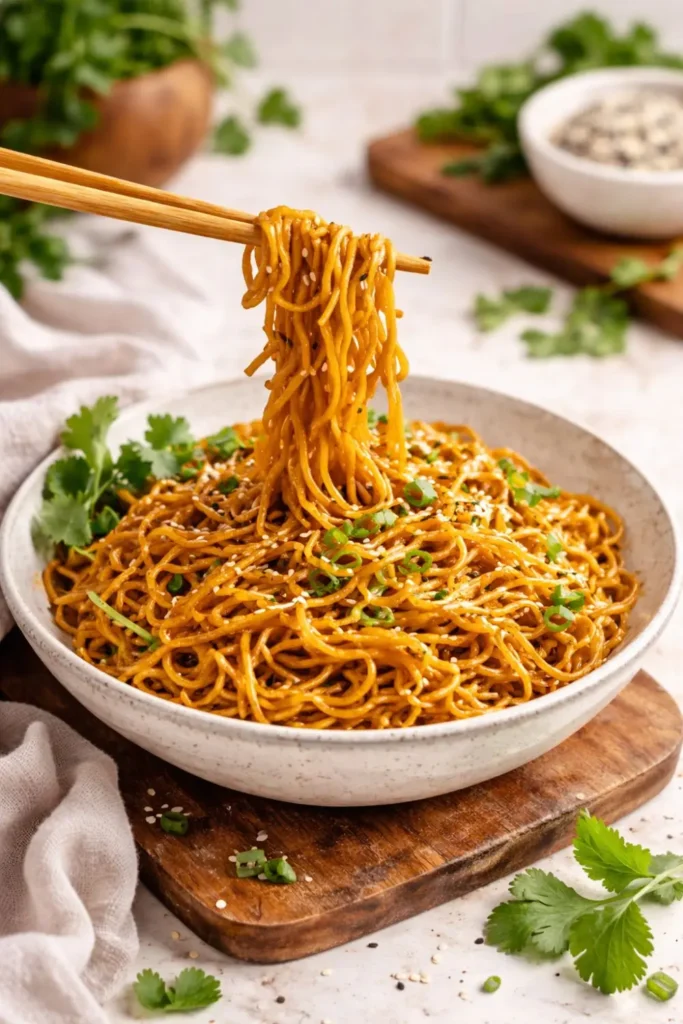
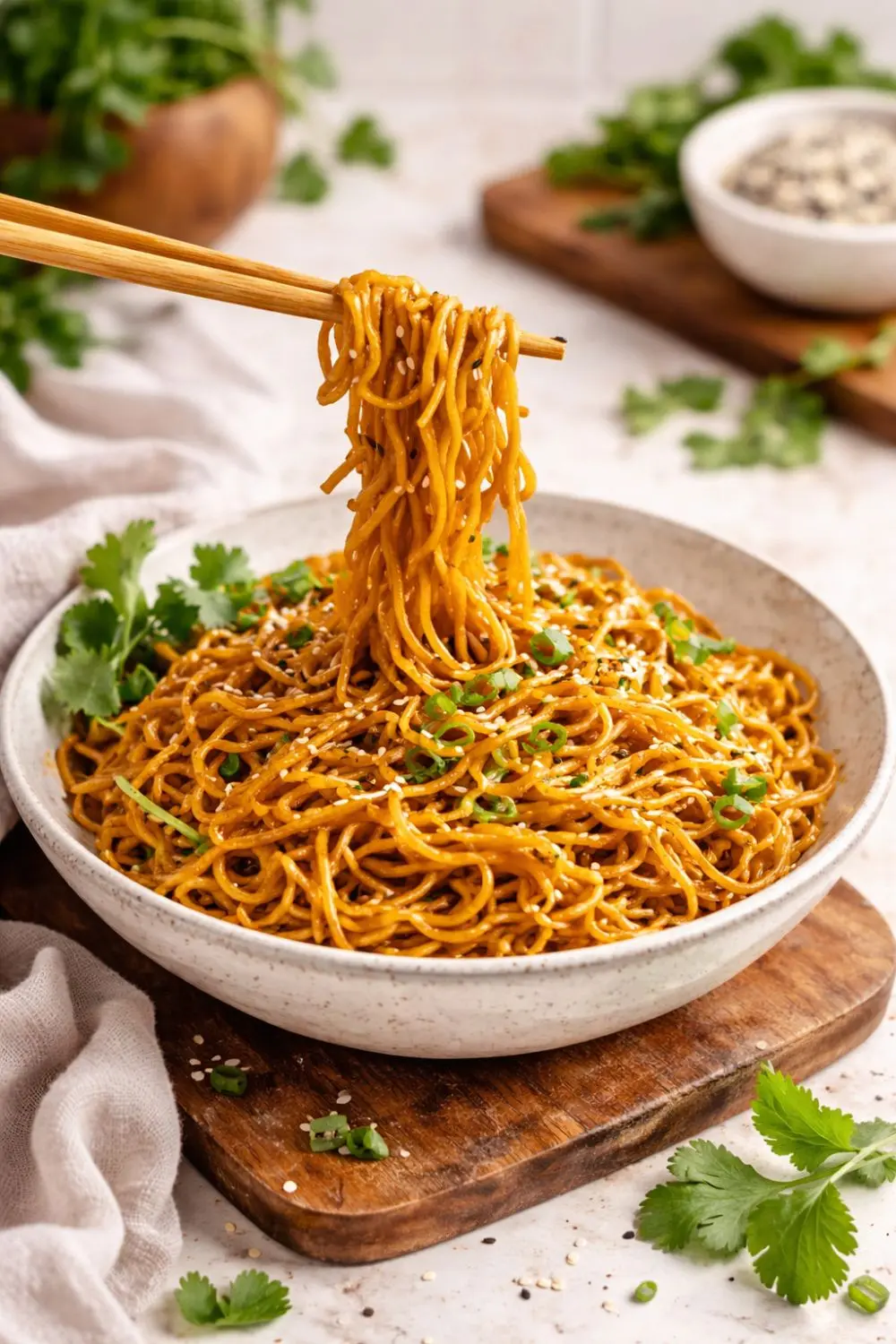
Fifteen minutes. That is the entire time commitment this recipe asks of you. No broth simmering for hours, no complicated topping assembly, no restaurant reservation required. This Creamy Vegan Sesame Ramen produces a bowl of noodles coated in a glossy, sweet-savory-spicy maple ginger sauce that tastes like something you would order at a good noodle restaurant and then immediately try to reverse-engineer at home.
The sauce uses five ingredients. The whole recipe uses less than ten. And yet the flavour is genuinely layered and satisfying in a way that defies the time investment completely.
Why This Creamy Vegan Sesame Ramen Works So Well
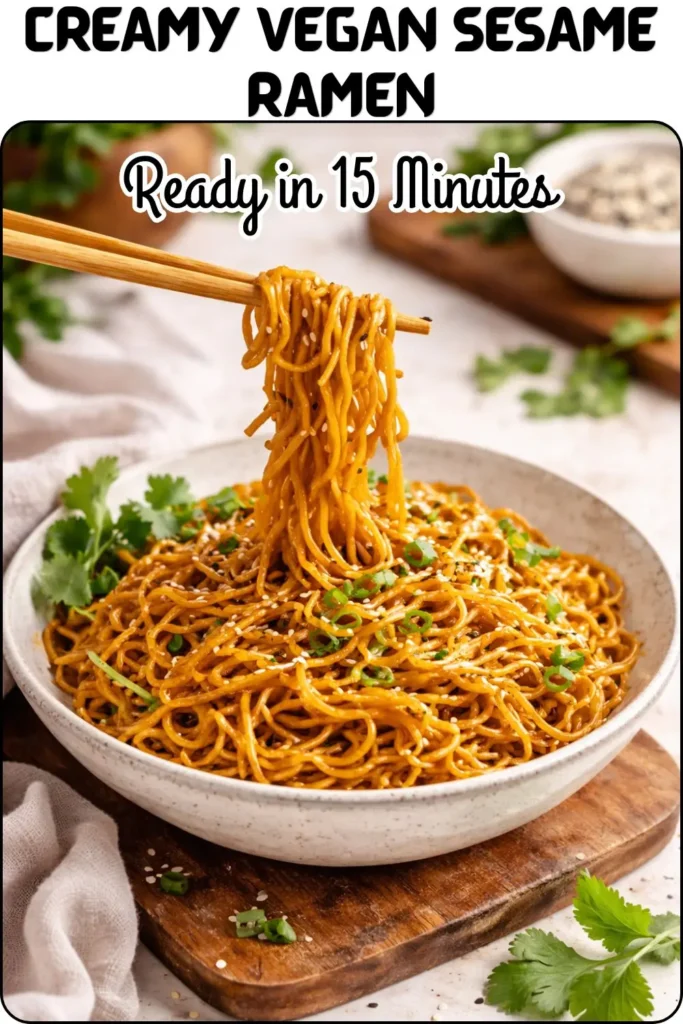
The magic here is the sauce ratio. Maple syrup, liquid aminos, sesame oil, ground ginger, and sriracha combine into something that hits every note at once — sweet, salty, nutty, warm, and just sharp enough from the heat. None of those flavours dominate; they work as a team.
When the sauce hits the hot sesame-oiled noodles in the pan, it reduces slightly and coats every strand with a glossy lacquer. That two-minute cook time with the sauce over medium-low heat is not just warming — it is actively concentrating and deepening the flavour. The result tastes far more developed than a sauce that simply got tossed cold onto noodles.
Prep: 11 min | Cook: 4 min | Total: 15 min | Servings: 3 | Calories: 262 kcal | 100% Vegan
Who This Recipe Is For
This dish serves 3 people as a main course. It works perfectly for:
- Solo cooks who want fast, satisfying weeknight meals and do not mind having lunch sorted for the next two days
- Anyone who wants vegan food that actually excites them without requiring culinary school technique
- People who have 15 minutes between finishing work and needing to eat
- Summer cooking when turning on the oven is out of the question and standing over a hot stove for 45 minutes feels unreasonable
Equipment You Will Need
This recipe sets a new minimum for required equipment:
- Large pot — for boiling the noodles in salted water
- Large frying pan or wok — for heating the sesame oil and finishing the noodles in the sauce; a wok is ideal because its shape allows you to toss the noodles without losing them over the side
- Colander or sieve — for draining the cooked noodles
- Small bowl and whisk — for mixing the maple ginger sauce
- Tongs or chopsticks — for tossing noodles in the pan
- Sharp knife and chopping board — for the scallions
That is the entire list. No blender, no immersion blender, no specialist tools. A pot, a pan, and a bowl cover everything this recipe needs.
Ingredients
For the Noodles:
- 8 oz. Chinese noodles — udon or brown rice noodles work best (more on this below)
- 1.5 Tbsp. sesame oil
For the Maple Ginger Sauce:
- 3 Tbsp. maple syrup (or vegan honey, agave syrup, or organic brown sugar)
- 0.25 cup liquid aminos (or low-sodium soy sauce)
- 1 tsp. sesame seeds
- 0.75 tsp. ground ginger
- 1 tsp. sriracha, or more to taste
- 0.25 tsp. ground black pepper
To Serve:
- Chopped scallions (spring onions)
- Extra sesame seeds
Step-by-Step Instructions for Creamy Vegan Sesame Ramen
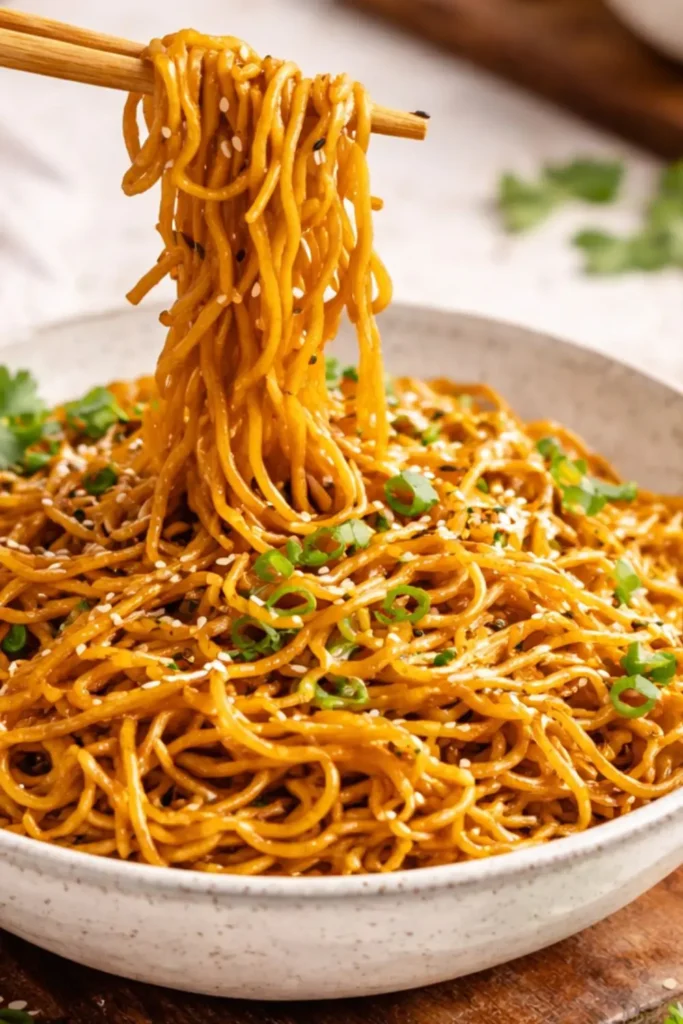
1. Make the sauce. Add the maple syrup, liquid aminos, sesame seeds, ground ginger, sriracha, and black pepper to a small bowl. Whisk together until fully combined and uniform. Set aside. This takes about 60 seconds and you can do it while the water heats up — parallel tasking at its finest.
2. Cook the noodles. Bring a large pot of salted water to a boil. Add the noodles and cook according to package directions. Drain and rinse under cold water to stop the cooking process and prevent clumping. The cold rinse is particularly important here because the noodles will finish cooking in the pan — you want them slightly firmer than fully done at this stage.
3. Heat the noodles in sesame oil. Heat the sesame oil in a large pan or wok over medium-high heat. Add the drained noodles and stir continuously for about 2 minutes until they warm through and begin to sizzle in the oil. This step coats every noodle strand in sesame oil before the sauce goes in, which helps the sauce adhere evenly rather than pooling at the bottom of the pan.
4. Add the sauce. Pour the maple ginger sauce over the noodles and reduce the heat to medium-low. Stir and toss the noodles continuously for 2 minutes, coating them thoroughly in the sauce and allowing it to reduce slightly and concentrate. You will see the sauce go from liquid to a glossy coating on the noodles — that is exactly what you want.
5. Serve immediately. Remove from the heat. Add the chopped scallions and extra sesame seeds. Divide between three bowls and serve right away. This dish does not wait well — noodles in sauce continue absorbing liquid and soften quickly, so serve the moment it comes off the heat.
Breaking Down the Maple Ginger Sauce
Five ingredients produce a sauce worth understanding properly, because once you understand it, you can adjust it confidently and apply it to other dishes.
Maple Syrup — The Sweet Base
Maple syrup provides sweetness and a subtle complexity that plain sugar does not match. It also has a lower glycaemic index than refined sugar and contributes a slight caramel note that works well against the salty depth of the liquid aminos. Use pure maple syrup, not pancake syrup, which contains corn syrup and artificial flavouring that produce a cloying rather than nuanced sweetness.
If maple syrup is not available or feels expensive for a quick weeknight noodle dish, organic agave syrup is the best substitute — it is neutral in flavour, similarly sweet, and significantly cheaper. Unrefined brown sugar dissolved in a small amount of warm water also works well and costs very little.
Liquid Aminos — Salty, Savoury Depth
Liquid aminos are made from fermented coconut sap or hydrolysed soy protein, depending on the brand. They taste similar to soy sauce but are slightly less salty and slightly more nuanced. They are also naturally gluten-free, which makes this recipe accessible to gluten-sensitive eaters without any modification.
Low-sodium soy sauce is a direct substitute and produces an essentially identical result. Regular soy sauce works too but tips the salt level higher — reduce by about a teaspoon if using standard soy sauce and taste before adding more.
Sesame Oil — The Flavour That Defines the Dish
The sesame oil appears twice in this recipe — first as the cooking fat for the noodles, then implicitly through the toasted sesame seeds that go into the sauce. Use toasted sesame oil (also labelled as roasted sesame oil), not raw sesame oil. Toasted sesame oil has a deep, nutty aroma and flavour that is one of the most distinctive smells in Asian cooking. Raw sesame oil is mild and neutral and will not give you the same result.
Do not substitute sesame oil with a neutral vegetable oil here. The sesame oil is not just a cooking fat — it is a primary flavour component.
Ground Ginger vs. Fresh Ginger
The recipe uses ground ginger, not fresh, and that choice is intentional for a 15-minute dish. Ground ginger dissolves immediately into the sauce and distributes evenly without any prep work. Fresh ginger would need grating and distributes less uniformly in a quick sauce.
That said, if you love ginger and have fresh on hand, add 0.5 teaspoon of freshly grated ginger alongside the 0.75 teaspoon of ground. The flavour will be brighter and sharper. Either version works.
Sriracha — Heat That Integrates
One teaspoon of sriracha adds background heat without making the dish noticeably spicy — most people would describe the result as “a little kick” rather than hot. The vinegar in sriracha also adds a small amount of acidity that brightens the sauce.
Adjust this entirely to your preference. Half a teaspoon produces a very mild result. Two teaspoons produces genuine heat. The sauce is forgiving in either direction.
Choosing the Right Noodles
The recipe recommends udon or brown rice noodles, and both are excellent choices for different reasons. Here is a proper breakdown to help you decide.
Udon Noodles
Udon are thick, chewy Japanese wheat noodles with a substantial bite and a neutral flavour that absorbs the maple ginger sauce beautifully. Their thickness means the sauce coats the outside while the inside stays chewy — you get contrast in every bite. They are widely available in dried or fresh/frozen form. Fresh or frozen udon gives the best texture; dried udon works well too but benefits from a slightly longer cook time.
Udon contains wheat and is not gluten-free. Check the label if this matters for your cooking.
Brown Rice Noodles
Brown rice noodles are naturally gluten-free and have a slightly more delicate texture than udon. They cook faster — usually 3 to 5 minutes — and produce a lighter-feeling dish. Their subtle nuttiness works well with sesame oil. They are the better choice if you want a gluten-free version of this recipe without any compromise.
Traditional Ramen Noodles
Standard dried ramen noodles (the kind sold without flavour packets, or with packets you simply discard) work very well here. They are thin, cook in 3 minutes, and have a slight springiness that holds up to the sauce. They are the most widely available option and the most economical. Many ramen noodle brands are vegan — check the label for egg, which some varieties contain.
Soba Noodles
Buckwheat soba adds a distinctive earthy, slightly bitter flavour that pairs surprisingly well with the sweetness of the maple syrup in the sauce. Pure buckwheat soba is gluten-free; most commercial soba contains a proportion of wheat flour. Cook soba carefully — it benefits from rinsing under cold water more than most noodles to remove excess starch and prevent clumping.
| Noodle Type | Texture | Gluten-Free | Cook Time | Best For |
| Udon | Thick, chewy | No | 8–12 min | Maximum chewiness and sauce absorption |
| Brown rice noodles | Delicate, light | Yes | 3–5 min | Gluten-free version |
| Ramen noodles | Springy, thin | Usually (check label) | 3 min | Speed and availability |
| Soba | Earthy, firm | Depends on brand | 4–6 min | More complex flavour |
The Two-Stage Cooking Process — Why It Matters
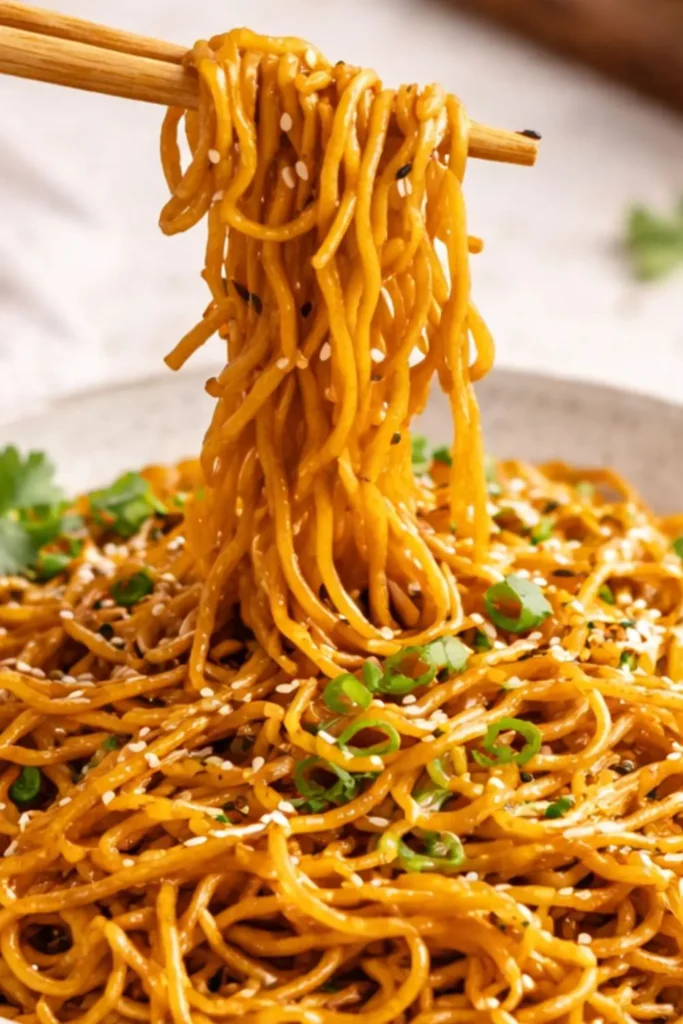
This recipe cooks the noodles twice, and each stage has a specific purpose that the other cannot replicate.
Stage one: Boiling in salted water cooks the noodles through and adds baseline seasoning. The cold rinse after draining stops the cooking at the right point and removes surface starch that would otherwise make the noodles gummy in the pan.
Stage two: Pan-frying in sesame oil then sauce adds flavour in a way that boiling never can. The direct contact with hot oil coats the noodles in sesame flavour. The subsequent two minutes with the sauce reduces it slightly, concentrating the sweetness and saltiness and creating the glossy coating that makes this dish look as good as it tastes.
Skipping the pan stage and just tossing the sauce with the boiled noodles produces an entirely different and noticeably inferior result. The sauce stays thin, the sesame flavour does not develop, and the noodles taste dressed rather than cooked in the sauce. Those two extra minutes in the pan are not optional.
Nutrition Per Serving (Serves 3)
| Nutrient | Per Serving |
| Calories | 262 kcal |
| Carbohydrates | 39g |
| Protein | 6g |
| Fat | 9g |
| Saturated Fat | 2g |
| Fiber | 2g |
| Sugar | 13g |
| Sodium | 1,246mg |
| Potassium | 86mg |
| Calcium | 32mg |
| Iron | 2mg |
At 262 calories per serving, this is a lighter dish than most of the soups in this series. It works well as a main if you add protein toppings (see below) or as a side alongside other dishes. The sodium is the one figure worth noting — 1,246mg comes primarily from the liquid aminos. If you watch sodium intake, use reduced-sodium soy sauce and reduce the quantity to 3 tablespoons rather than a full quarter cup, then adjust to taste.
IMO, the calorie count makes this an excellent base for building a more substantial bowl by adding tofu, edamame, or a pile of sauteed vegetables.
How to Make This a More Complete Meal
As written, this recipe is a noodle dish — satisfying and flavourful but primarily carbohydrate-based. Adding protein and vegetables turns it into a genuinely complete meal. Here are the best additions:
Protein Options
- Baked or pan-fried tofu — press firm tofu, cube it, and fry in a hot pan until golden. Toss in a small amount of the maple ginger sauce to coat. Add to the finished bowl.
- Edamame — shelled and warmed. Adds protein, texture, and a clean, fresh flavour that contrasts with the rich sauce.
- Tempeh — crumble and pan-fry until crispy. Its earthy, slightly bitter flavour works extremely well against the sweet-savoury sauce.
Vegetable Options
- Bok choy — halved and briefly stir-fried in a separate pan before adding to the bowl
- Shredded purple cabbage — added raw for crunch and colour
- Julienned cucumber — added raw; the cool freshness against the warm noodles is a very good combination
- Corn kernels — either fresh off the cob or briefly sauteed; adds sweetness that echoes the maple
- Bean sprouts — added raw as a topping for crunch and freshness
- Sliced mushrooms — shiitake or oyster mushrooms sauteed in sesame oil until golden
Customising the Sauce — Getting the Balance Right
The recipe gives you a starting point, not a fixed formula. Here is how to adjust each element:
Too sweet: Reduce the maple syrup by 0.5 tablespoon and add a splash more sriracha or a few drops of rice wine vinegar to sharpen the profile.
Too salty: Add an extra teaspoon of maple syrup and a splash of water to the sauce before it goes into the pan. Taste as you go.
Not spicy enough: Add sriracha in half-teaspoon increments. Alternatively, add a pinch of dried chilli flakes or a small amount of gochugaru (Korean chilli flakes) for a different heat character.
Needs more depth: Add 0.5 teaspoon of toasted sesame oil at the end, off the heat, rather than at the cooking stage. Finishing oil adds aroma that cooking heat destroys.
Wants acidity: A teaspoon of rice wine vinegar stirred into the sauce before cooking adds brightness and makes the sweetness and saltiness taste more distinct and less flat.
FYI — always taste the sauce before it goes into the pan. A sauce this simple has no hidden complexity to fall back on if the balance is off. Get it right in the bowl first.
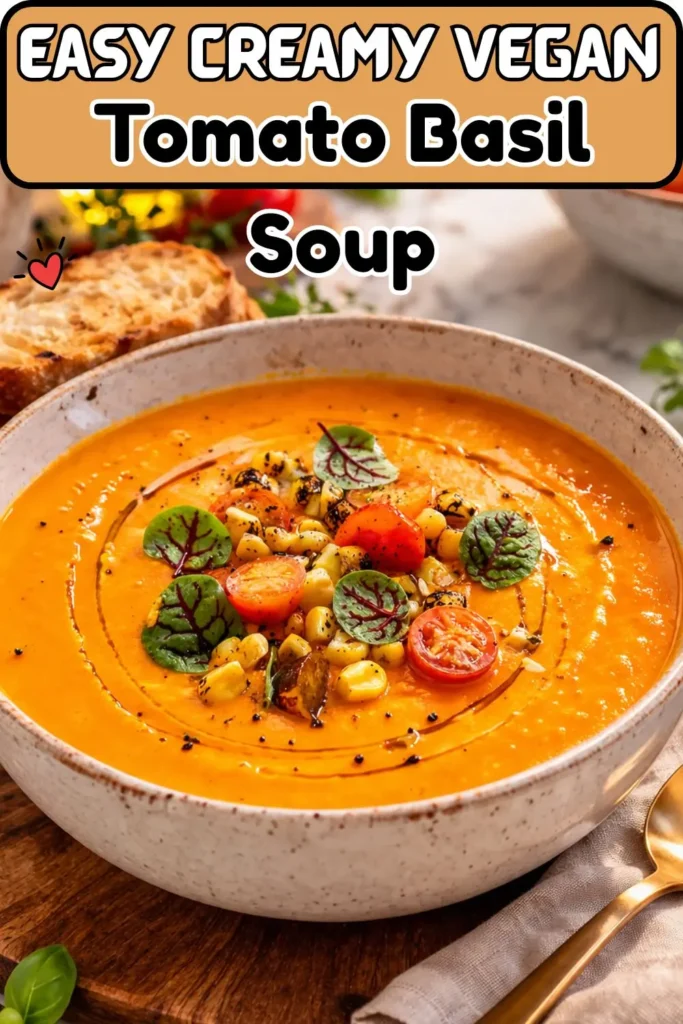
Still Hungry, Try It Next recipe :-
Creamy Vegan Tomato Basil Soup
Serving Suggestions
This recipe serves 3 people, but it is easy to scale. Double everything for 6 servings; the technique stays identical. Here is what works well alongside it:
- Miso soup — a small bowl of clear miso broth alongside the noodles makes the meal feel more substantial and adds warmth without competing with the sesame flavour
- Simple cucumber salad with rice wine vinegar and sesame seeds — the acidity cuts through the richness of the sauce nicely
- Steamed or pan-fried dumplings — vegan gyoza or potstickers turn this into a full spread
- A side of sauteed bok choy with garlic and a splash of soy sauce
Variations Worth Trying
Peanut Sesame Ramen
Add 2 tablespoons of natural peanut butter to the sauce and whisk until smooth. Increase the water content slightly if the sauce thickens too much. The peanut butter adds creaminess and a deeper nuttiness alongside the sesame. This is one of the most popular ramen sauce variations for good reason.
Cold Sesame Noodles
Cook the noodles, rinse under cold water, and toss with the sauce while still cold rather than heating in a pan. Serve chilled or at room temperature. This version works particularly well as a summer lunch — the flavour profile of the sauce holds up beautifully cold, and the noodles stay firmer without the pan-heating step.
Sesame Ramen with Chilli Crisp
Replace the sriracha with 1 to 2 teaspoons of chilli crisp oil. Chilli crisp adds heat, texture from the crispy aromatics, and a more complex flavour than sriracha alone. Finish the bowl with an extra spoonful drizzled on top.
Miso Sesame Ramen
Add 1 tablespoon of white miso paste to the sauce and whisk thoroughly before using. The miso adds fermented depth and a slightly earthy roundness that makes the sauce more complex. Reduce the liquid aminos by 1 tablespoon to account for the miso’s saltiness.
Storage and Reheating
Fridge: Store leftovers in an airtight container for up to 3 days. The noodles will absorb more of the sauce as they sit and may clump slightly.
Reheating: Add a splash of water or soy sauce to the container before reheating to loosen the noodles. Reheat in a pan over medium heat, tossing gently, rather than the microwave — the pan method prevents the noodles from turning rubbery and revives the glossy coating much better than microwave reheating.
Freezing: Not recommended for this dish. Noodles change texture significantly after freezing and thawing. Make fresh — given the 15-minute cook time, there is no real case for freezing this one.
FAQs
Can I use honey instead of maple syrup? Standard honey is not considered vegan. Use maple syrup, agave syrup, or organic brown sugar. All three produce excellent results and the flavour difference in the finished dish is minimal.
What is liquid aminos and where do I find it? Liquid aminos is a condiment made from fermented soy protein or coconut sap. It tastes similar to soy sauce — slightly less salty, slightly more complex. Find it at health food stores, larger supermarkets, or online. Low-sodium soy sauce is a direct substitute if liquid aminos is unavailable.
Can I make this gluten-free? Yes. Use certified gluten-free brown rice noodles, and confirm your liquid aminos is gluten-free (coconut aminos is always gluten-free; soy-based liquid aminos usually is, but check the label). Every other ingredient in the recipe is naturally gluten-free.
My sauce reduced too quickly and burned. What went wrong? The heat was too high. Reduce to medium-low before adding the sauce to the noodles and keep the noodles moving continuously. The two-minute cook time with the sauce requires gentle heat — enough to reduce slightly and coat, not enough to caramelise the maple syrup into burnt sugar.
Can I double this recipe easily? Yes, but cook the noodles in two separate pan batches rather than doubling into one pan. Overcrowding the pan prevents the sauce from reducing properly and coating the noodles evenly. Two batches, served immediately from each, gives a much better result than one overcrowded pan.
Why This Works as a Summer Recipe
Summer cooking has one primary constraint that this recipe respects completely: nobody wants to spend significant time over a hot stove when it is warm outside. Fifteen minutes of active cooking time, one pot, one pan, no oven — this is about as efficient as a cooked meal gets.
The flavour profile also suits summer eating. The maple ginger sauce is bright and punchy rather than heavy and rich. Add cold toppings like cucumber, raw cabbage, or bean sprouts, and the finished bowl feels genuinely fresh rather than the thick, warming comfort food that ramen typically represents. It occupies a nice middle ground between a hot meal and a cold noodle salad.
Still Hungry, Try It Next recipe :-
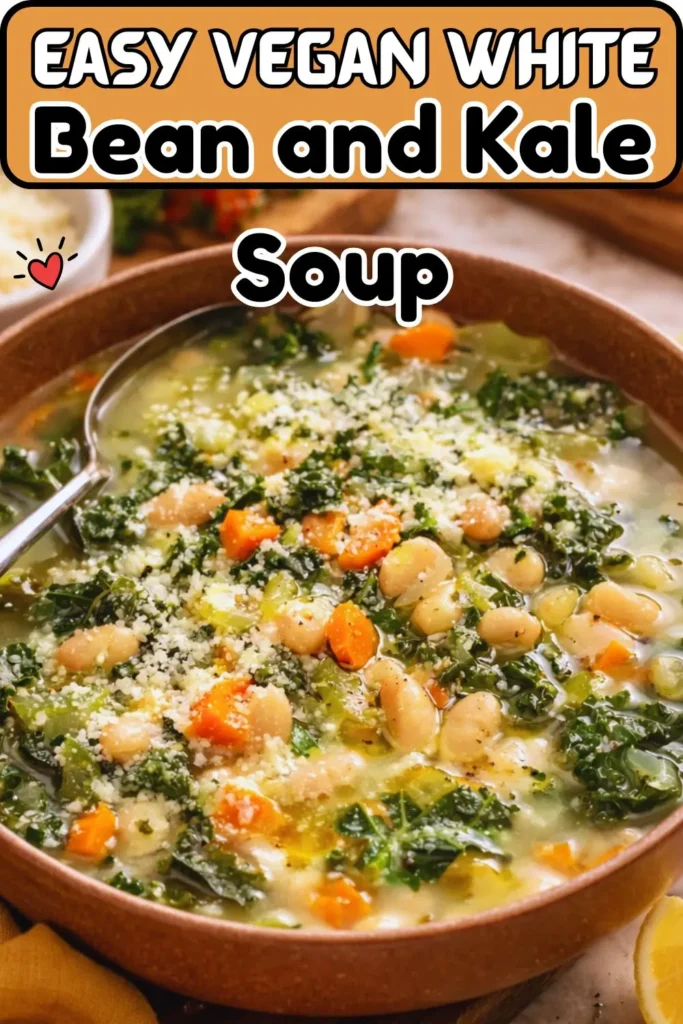
Vegan White Bean and Kale Soup
My thinking
This Creamy Vegan Sesame Ramen proves something worth knowing: extraordinary flavour does not always require extraordinary effort. Five sauce ingredients. Eight total recipe components. Fifteen minutes. The result is a bowl of glossy, perfectly coated noodles with a sauce that balances sweet, salty, nutty, and spicy in a way that makes you want to make it again the following week.
Master the sauce ratio and you have a formula that works across multiple noodle types, multiple topping combinations, and multiple occasions. Make it once exactly as written, then start experimenting. Add the peanut butter version. Try it cold. Pile on the tofu. The base recipe is solid enough to carry every variation you throw at it — and at 15 minutes a batch, the cost of experimentation is essentially nothing.
Creamy Vegan Sesame Ramen
Ingredients
Equipment
Method
- Make the sauce. Add the maple syrup, liquid aminos, sesame seeds, ground ginger, sriracha, and black pepper to a small bowl. Whisk together until fully combined and uniform. Set aside. This takes about 60 seconds and you can do it while the water heats up — parallel tasking at its finest.
- Cook the noodles. Bring a large pot of salted water to a boil. Add the noodles and cook according to package directions. Drain and rinse under cold water to stop the cooking process and prevent clumping. The cold rinse is particularly important here because the noodles will finish cooking in the pan — you want them slightly firmer than fully done at this stage.
- Heat the noodles in sesame oil. Heat the sesame oil in a large pan or wok over medium-high heat. Add the drained noodles and stir continuously for about 2 minutes until they warm through and begin to sizzle in the oil. This step coats every noodle strand in sesame oil before the sauce goes in, which helps the sauce adhere evenly rather than pooling at the bottom of the pan.
- Add the sauce. Pour the maple ginger sauce over the noodles and reduce the heat to medium-low. Stir and toss the noodles continuously for 2 minutes, coating them thoroughly in the sauce and allowing it to reduce slightly and concentrate. You will see the sauce go from liquid to a glossy coating on the noodles — that is exactly what you want.
- Serve immediately. Remove from the heat. Add the chopped scallions and extra sesame seeds. Divide between three bowls and serve right away. This dish does not wait well — noodles in sauce continue absorbing liquid and soften quickly, so serve the moment it comes off the heat.
Notes
Nutrition Per Serving (Serves 3)
| Nutrient | Per Serving |
| Calories | 262 kcal |
| Carbohydrates | 39g |
| Protein | 6g |
| Fat | 9g |
| Saturated Fat | 2g |
| Fiber | 2g |
| Sugar | 13g |
| Sodium | 1,246mg |
| Potassium | 86mg |
| Calcium | 32mg |
| Iron | 2mg |

Hi — I’m Rachel. I’m a wife, a mom, and a home cook who believes that food should bring comfort, joy, and compassion to the table. I live with my family — two hungry little foodies who are my most honest recipe testers — and together we’ve built a kitchen culture that’s all about good food that happens to be 100% vegan. I started this blog because I wanted a place to share the recipes that keep our days moving, the dishes that make weeknights feel a little easier, and the meals that become our little family traditions.