

“This post contains affiliate links. If you purchase through my links, I may earn a small commission at no extra cost to you.”
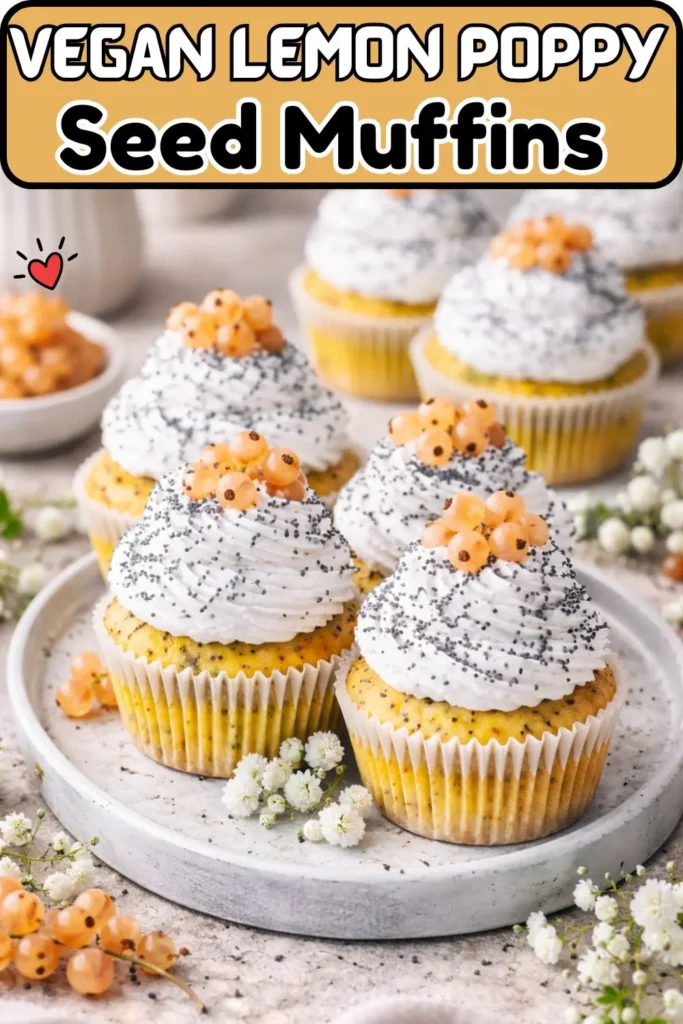
Lemon poppy seed muffins occupy a very specific spot in the breakfast hall of fame. They’re not too sweet, they have a brightness that wakes you up with the first bite, and that combination of citrus-fragrant crumb with the gentle crunch of poppy seeds is one of those flavour profiles that feels genuinely timeless.
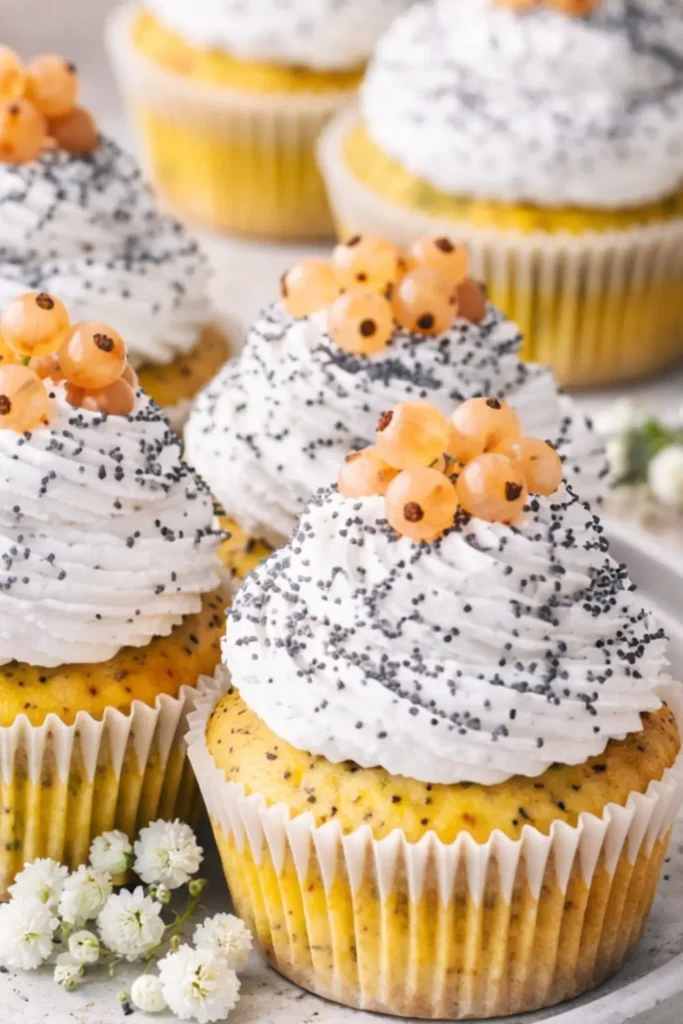
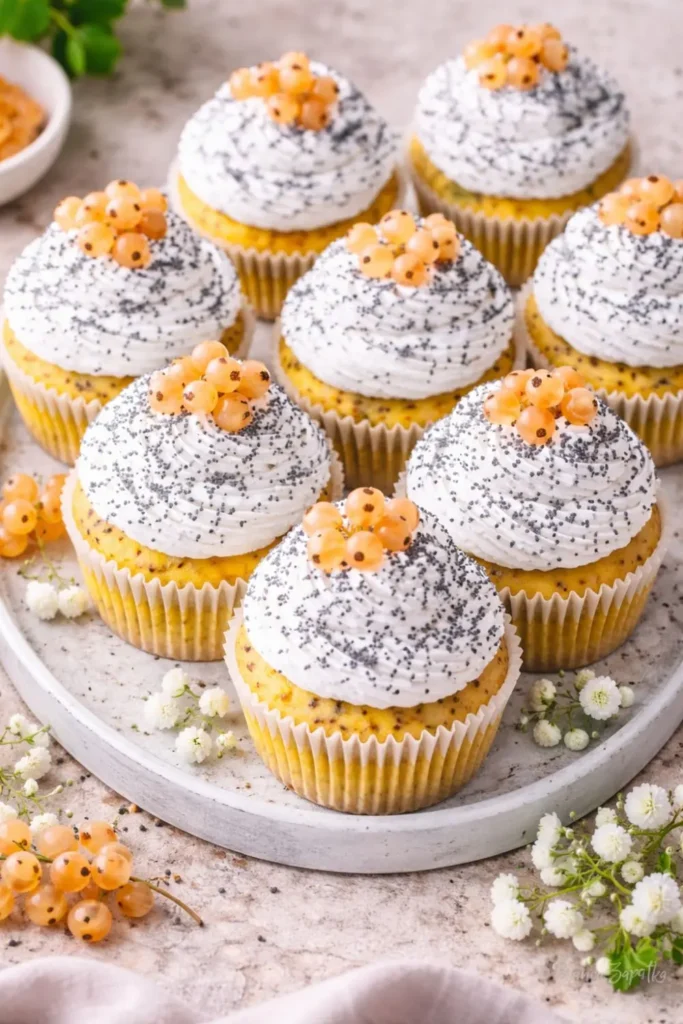
The Best Vegan Lemon Poppy Seed Muffins deliver everything the classic version does — light, fluffy, properly lemony, with golden edges and a tender crumb — with zero dairy, zero eggs, and a gluten-free option that doesn’t sacrifice a single thing.
I’ve made a lot of vegan muffins. Some are dense, some are gummy, some taste like health food trying very hard to seem like a treat. These taste like actual muffins. The combination of vegan butter, almond flour, applesauce, and generous lemon zest produces a crumb that’s rich and tender and properly satisfying. Make a batch of twelve, eat them warm, and store the rest for the week. Let’s get into it.
Quick Stats
- Prep Time: 15 minutes
- Cook Time: 30 minutes
- Total Time: 45 minutes
- Servings: 12 muffins
- Calories: 207 kcal per muffin
- Course: Breakfast, Snack
- Cuisine: Vegan, Gluten-Free Option
- Storage: 3 days at room temperature, 1 month frozen
The Full Ingredient List
- ⅔ cup cane sugar (organic for vegan-friendly)
- ⅓ cup softened vegan butter (Miyoko’s works brilliantly)
- 3 tablespoons lemon zest (from 4–5 lemons)
- ¼ cup unsweetened applesauce
- ¼ cup fresh lemon juice
- 1 teaspoon vanilla extract
- 1 cup almond flour
- ½ cup dairy-free milk, plain and unsweetened (almond milk works well)
- 1¼ cup gluten-free 1:1 flour blend (or all-purpose flour if not gluten-free)
- 1½ teaspoons baking powder
- ¼ teaspoon baking soda
- ¼ teaspoon sea salt
- 1½ tablespoons poppy seeds
How to Make Them – Step by Step Vegan Lemon Poppy Seed Muffins
Step 1: Preheat your oven to 350°F (176°C). Line a standard 12-cup muffin tin with muffin liners or lightly grease each cup.
Step 2: In a medium mixing bowl or the bowl of a stand mixer, combine the cane sugar, softened vegan butter, and lemon zest. Beat with an electric mixer on medium-high for about 2 minutes until the mixture is light, fluffy, and fragrant. The lemon zest will infuse into the butter and sugar during this step — it’s where most of the lemon flavour comes from.
Step 3: Add the applesauce, lemon juice, and vanilla extract. Beat on medium until well combined and slightly fluffy. The mixture may look curdled at this point — that’s completely fine and expected. It will sort itself out in the next step.
Step 4: Add the almond flour and beat until smooth and fully incorporated. Add the dairy-free milk and mix on low until combined. Finally, add the gluten-free flour blend (or all-purpose flour), baking powder, baking soda, sea salt, and poppy seeds. Mix on medium until the batter is light and fluffy with the poppy seeds evenly distributed throughout.
Step 5: Divide the batter evenly between the 12 muffin liners. Each one should be about ¾ full.
Step 6: Bake for 30–34 minutes until the edges are lightly golden and a toothpick inserted in the centre comes out with just a crumb or two. Don’t pull them out too early — underbaked vegan muffins tend to be gummy in the centre.
Step 7: Let the muffins cool completely before eating for the best texture. I know this is hard. Do it anyway.
Equipment You’ll Need
- A standard 12-cup muffin tin — the right-sized tin for this recipe. Using a jumbo muffin tin will change the baking time significantly. Using a mini muffin tin will reduce the bake time by about half.
- Muffin liners or non-stick spray — liners make removal clean and easy. If greasing instead, be generous to prevent sticking.
- An electric stand mixer or handheld electric mixer — the creaming step (beating butter, sugar, and zest together) really benefits from an electric mixer. Doing it by hand with a wooden spoon can work but you won’t get the same light, fluffy result. A stand mixer makes the whole process almost effortless.
- A medium mixing bowl — if using a handheld mixer rather than a stand mixer
- A zester or fine grater — for the 3 tablespoons of lemon zest. You’ll need 4–5 lemons to get that amount — zest all of them before juicing.
- A citrus juicer — for the fresh lemon juice. Manual or electric both work.
- Measuring cups and measuring spoons — baking is a precision activity, and the ratios here matter for the right texture
- A toothpick — for testing doneness
The electric mixer is the one piece of kit worth having for this recipe. The creaming step that combines butter, sugar, and lemon zest is what introduces air into the batter and creates the light, fluffy crumb — and that step works significantly better with an electric mixer than it does by hand.
Calorie & Nutrition Breakdown (Per Muffin — 1 of 12)
| Nutrient | Per Muffin |
| Calories | 207 kcal |
| Carbohydrates | 27.9g |
| Protein | 3.5g |
| Total Fat | 10g |
| Saturated Fat | 4g |
| Fibre | 1.9g |
| Sugar | 12.6g |
| Sodium | 177mg |
| Calcium | 95mg |
| Iron | 0.8mg |
| Vitamin C | 4mg |
At 207 calories per muffin, these sit comfortably in “proper treat” territory without being excessive. The 10g of total fat comes from the vegan butter and almond flour — both plant-based fat sources that contribute to the tender crumb. The 3.5g of protein per muffin is modest but meaningful for a baked good.
FYI: Almond flour contributes calcium, vitamin E, and healthy monounsaturated fats to each muffin — which is part of why these have a more complex nutritional profile than a standard white flour muffin of similar size. The poppy seeds add calcium and iron in small amounts. These are muffins that are doing some good, not just tasting it.
Why These Are Actually the Best Vegan Lemon Poppy Seed Muffins
The “best” claim needs backing up, so let me make the case properly.
The Lemon Zest Creaming Step Is Everything
Most lemon muffin recipes add zest to the batter as an afterthought — mixed in with the dry or wet ingredients. This recipe does something considerably smarter: it creams the lemon zest with the vegan butter and sugar for a full two minutes. The mechanical action of the mixer breaks open the oil glands in the zest and releases the aromatic lemon essential oils directly into the fat. Fat carries flavour, so these oils distribute evenly throughout every part of the batter.
The result is a muffin that tastes intensely, pervasively lemony in every single bite — not just in the spots where a piece of zest happened to land. This technique alone puts these muffins in a different league from recipes that just fold zest into the finished batter.
Applesauce Instead of Eggs — The Right Vegan Substitution
Applesauce works particularly well as an egg substitute in muffins because it provides moisture, binding, and a subtle sweetness without adding any competing flavour. At just ¼ cup, you don’t taste the apple at all — it acts as an invisible structure builder that keeps the crumb moist and cohesive. It’s a cleaner substitution than flax eggs (which can add a slightly nutty, earthy note) and produces a more consistent result than chia eggs in a citrus batter.
The Almond Flour Adds Richness That Regular Flour Can’t
Adding 1 cup of almond flour alongside the main flour is the move that gives these muffins their distinctive richness and tenderness. Almond flour is high in fat (from the ground almonds), which means it adds moisture and a soft, almost buttery quality to the crumb without making the muffins heavy or dense. The combination of almond flour and gluten-free flour blend produces a texture that’s significantly better than all-purpose flour alone — softer, more tender, and more flavourful.
The Lemon Components — Zest and Juice Working Together
This recipe uses both lemon zest and lemon juice, and they each do something different. Understanding what they contribute separately helps you understand why you need both.
Lemon Zest — The Flavour Driver
The zest contains the lemon’s essential oils — the compounds responsible for the intense, aromatic, floral lemon fragrance. Three tablespoons of zest from 4–5 lemons is a generous amount that ensures the muffins taste boldly lemony rather than mildly lemon-scented. Zest in fat (via the creaming step) distributes those oils throughout the entire batter. This is the ingredient that makes people smell these muffins across the room as they bake.
Lemon Juice — The Acidity
The ¼ cup of fresh lemon juice adds tartness and acidity that balances the sweetness of the cane sugar and gives the muffins a clean, bright finish. The acid also reacts with the baking soda, producing carbon dioxide bubbles that help the muffins rise. Fresh lemon juice is non-negotiable — bottled lemon juice has a flatter, slightly metallic flavour that doesn’t produce the same brightness in the final muffin.
Why You Need Both
Zest without juice produces fragrant but one-dimensionally sweet muffins. Juice without adequate zest produces sour muffins with less depth of aroma. Together, they create the full lemon experience — aromatic, bright, and properly tart in a way that makes every bite genuinely refreshing.
The Gluten-Free Option — Making This Work for Everyone
The recipe offers a gluten-free version using a 1:1 GF flour blend, which makes these muffins accessible to people with coeliac disease or gluten sensitivity without requiring any additional recipe adjustments.
What Is a 1:1 GF Flour Blend
A 1:1 gluten-free flour blend is designed to substitute for regular all-purpose flour in equal quantities — hence the “1:1” designation. It typically contains a combination of rice flour, tapioca starch, and potato starch, often with a small amount of xanthan gum to replicate the binding properties of gluten. Bob’s Red Mill 1:1 Baking Flour is widely available and reliable. There are several other good brands available online and in health food stores.
Does It Change the Texture?
In this recipe, the 1:1 GF blend produces muffins that are very close in texture to the all-purpose flour version — the almond flour’s fat content compensates for some of the textural differences that can make GF baking feel slightly off. The crumb may be marginally more delicate, but the overall eating experience is excellent. If you use a different GF flour blend than the recipe recommends, results may vary — some blends are considerably better than others, and formulations differ between brands.
The Cane Sugar vs Coconut Sugar Question
The recipe specifically notes that cane sugar is important and shouldn’t be substituted with coconut sugar. Here’s why this instruction is worth following.
Cane sugar is fine-grained, white, and produces a neutral sweetness that doesn’t compete with the lemon flavour. It also helps cream properly with the vegan butter during the mixing step, introducing air into the batter. During baking, it produces a clean golden colour on the muffin tops.
Coconut sugar is coarser, darker, and has a distinct caramel-molasses flavour. It doesn’t cream as effectively with butter, doesn’t produce the same golden colour during baking, and its strong flavour profile directly competes with and partially overwhelms the delicate lemon notes. In a recipe where the lemon is supposed to be the star, coconut sugar actively undermines that goal.
Use cane sugar, specifically. If you want to use organic cane sugar to keep the recipe fully vegan (conventional sugar is sometimes processed with bone char), look for sugar labelled “organic” — organic cane sugar is always vegan.
Still Hungry, Try It Next recipe :-
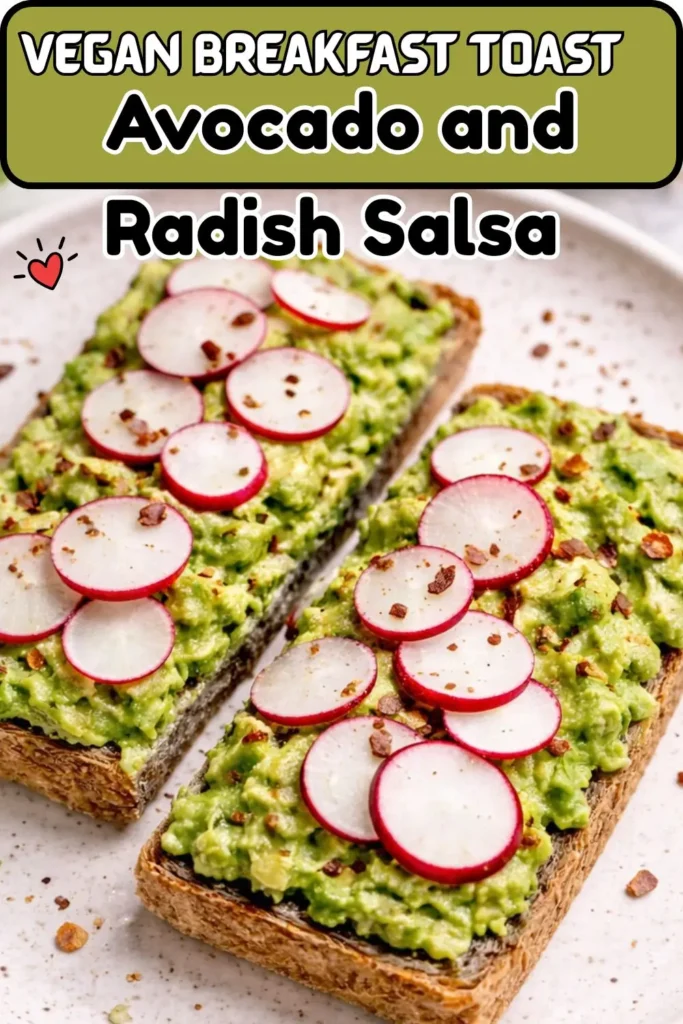
Vegan Breakfast Toast with Avocado and Radish Salsa
Tips for Making These Muffins Absolutely Perfect
- Cream the butter, sugar, and zest for a full two minutes. Not one minute, not a quick mix — two full minutes. The colour should lighten slightly and the mixture should look fluffy. This step builds the flavour foundation for the entire muffin.
- Don’t worry about the curdled appearance. When you add the lemon juice and applesauce to the creamed mixture, the acidic ingredients will cause it to look split or curdled. This is normal chemistry, not a sign something went wrong. The almond flour brings everything back together in the next step.
- Measure your lemon zest accurately. Three tablespoons is quite a lot of zest — you’ll need 4–5 lemons. Under-zesting is the most common mistake and produces muffins that taste disappointingly mild. Measure generously.
- Soften the vegan butter properly. Room temperature softened butter creams correctly; cold butter from the fridge won’t beat properly and produces a lumpy, uneven batter. Take it out of the fridge 30–60 minutes before baking.
- Don’t overfill the muffin liners. Three-quarters full is the right level. Overfilled liners overflow in the oven and produce flat-topped muffins without the characteristic domed shape.
- Wait for the toothpick. At 30 minutes, test with a toothpick. It should come out with just one or two crumbs attached. Clean = overbaked. Wet batter = needs more time.
- Cool completely before eating. This is genuinely important with gluten-free baking specifically — the starches in GF flour need time to set fully as the muffin cools. Eating a GF muffin warm from the oven often produces a gummy texture that disappears entirely once the muffin has cooled.
How to Store These Muffins — Keeping Them Fresh All Week
Room Temperature (Up to 3 Days)
Store in an airtight container at room temperature. The muffins stay moist and fresh for 3 days — the almond flour helps retain moisture significantly compared to all-purpose flour muffins, which tend to dry out more quickly.
Freezer (Up to 1 Month)
These freeze exceptionally well. Let them cool completely, then wrap each muffin individually in cling film and freeze in a zip-lock bag. To eat, thaw at room temperature for 1–2 hours, or microwave from frozen for about 45 seconds. The texture after freezing is nearly identical to fresh-baked.
The freezer option is genuinely brilliant for morning meal prep — bake a batch on Sunday, freeze ten, keep two for immediate eating. Pull one from the freezer the night before and it’s ready by morning. Twelve breakfasts from one baking session, with the actual morning effort being zero.
Vegan Butter — Which Brand Works Best
The recipe recommends Miyoko’s vegan butter, and it’s a specific recommendation worth noting. Miyoko’s is a cashew-based cultured vegan butter that has a fat content and behaviour very similar to dairy butter — it creams well, it contributes a clean, rich flavour, and it produces consistent results in baking. It’s widely considered one of the best vegan butter options for baking specifically.
Other options that work well:
- Violife Just Like Butter — widely available, behaves reliably in baking
- Earth Balance Vegan Butter Sticks — a long-standing reliable choice for baking
- Flora Plant Butter — available widely in the UK and EU
Avoid spreads designed for toast — they have a higher water content than baking butters and will produce a different result in this recipe. Look specifically for vegan butter sticks or blocks rather than tub spreads.
Variations to Try Once You’ve Made the Original
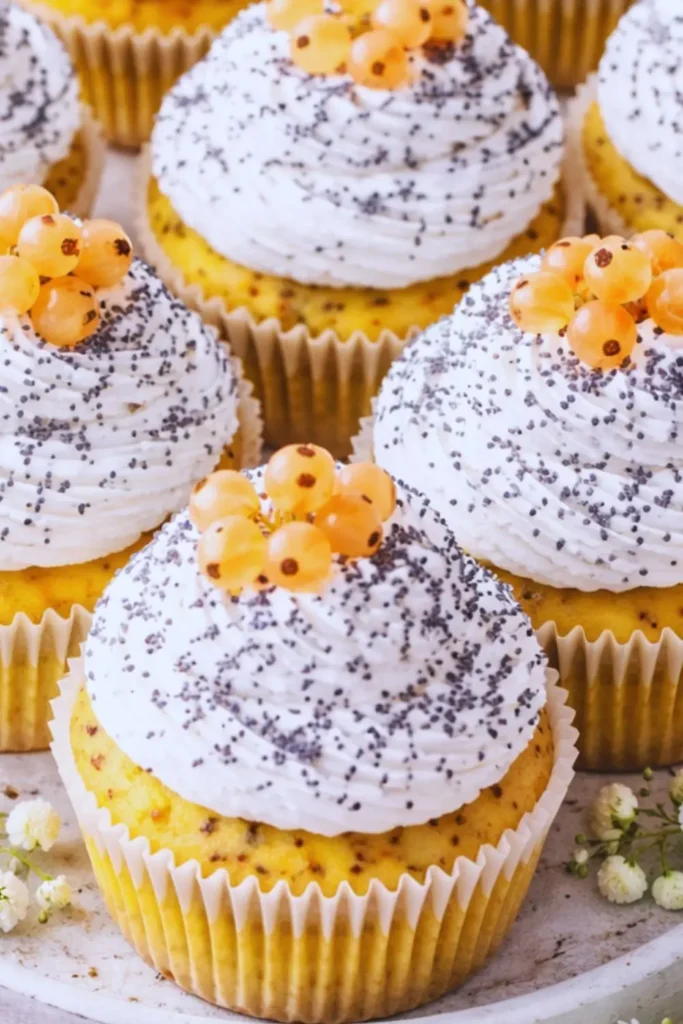
Lemon Blueberry Muffins
Fold ¾ cup of fresh blueberries into the finished batter just before dividing into the muffin liners. The blueberry-lemon combination is a classic for a reason, and the juicy bursts of berry against the citrus crumb are genuinely excellent. Toss the blueberries in a teaspoon of flour first to prevent them sinking.
Lemon Poppy Seed with Lemon Glaze
Make a simple lemon drizzle by whisking 1 cup of powdered sugar with 2–3 tablespoons of fresh lemon juice until smooth. Drizzle over the fully cooled muffins. The glaze adds an extra hit of lemon sweetness and a professional-bakery finish.
Orange Poppy Seed Version
Replace the lemon zest and juice with orange zest and juice. The flavour shifts to something warmer and less tart — still citrusy and fragrant, but rounder. Use blood orange in season for a dramatic colour in the batter.
Lavender Lemon Version
Add ½ teaspoon of food-grade dried lavender to the creaming step along with the lemon zest. The lavender adds a floral, herbal note that pairs beautifully with lemon. Use sparingly — lavender can quickly become overwhelming.
Double Lemon with Lemon Curd Filling
Fill each muffin liner halfway with batter, add a teaspoon of vegan lemon curd, then top with the remaining batter. The lemon curd creates a hidden tart, jammy centre that’s genuinely spectacular when you bite in.
Why This Works as a Summer Breakfast
Lemon is one of the quintessentially summery flavours — bright, citrusy, and refreshing in a way that feels completely appropriate for warm weather. These muffins capture that energy in baked form. They’re not heavy or warming like a spiced autumn muffin — they’re light, fragrant, and genuinely refreshing in the way that only lemon-forward baking can be.
They’re also practical for summer mornings. Make a batch on Sunday, and breakfast is sorted for the week. Grab one on your way out the door with a coffee, eat one in the garden before the day heats up, or put two on a plate with fresh berries for a proper weekend morning moment. At 207 calories each, they’re a satisfying breakfast option that doesn’t require any morning preparation beyond reaching into an airtight container.
Frequently Asked Questions
Can I use regular all-purpose flour instead of the GF blend? Yes — use the same quantity (1¼ cups) of all-purpose flour. The texture may be slightly different but the muffins will still be excellent. The almond flour remains in the recipe regardless.
Why does my batter look curdled after adding the lemon juice? This is completely normal. The acid in the lemon juice reacts with the creamed fat mixture and causes it to appear split. The almond flour, added in the next step, brings everything back together into a smooth batter.
Can I reduce the sugar? The recipe notes that cane sugar is important for flavour, structure, and colour — reducing it significantly will affect all three. You can reduce it by about 2 tablespoons without major impact. Reducing by more than that will produce paler, flatter muffins with a less developed flavour.
How do I know when the muffins are done? The edges should be lightly golden, and a toothpick inserted in the centre should come out with just one or two crumbs. Wet batter means they need more time. If the tops are browning too quickly, tent loosely with foil for the remaining bake time.
Can I make these into a loaf instead of muffins? Yes — pour the batter into a greased 9×5 inch loaf tin and bake at 350°F for 50–60 minutes until a toothpick comes out clean. Check from the 50-minute mark. The cooling instruction is even more important for a loaf — don’t cut it until fully cooled.
Are these suitable as a gift? Absolutely — a box of these muffins is a genuinely thoughtful homemade gift. Pack them in a box once fully cooled, label them with the ingredients, and they keep for 3 days at room temperature. They also freeze well, so the recipient can save some for later.
Still Hungry, Try It Next recipe :-
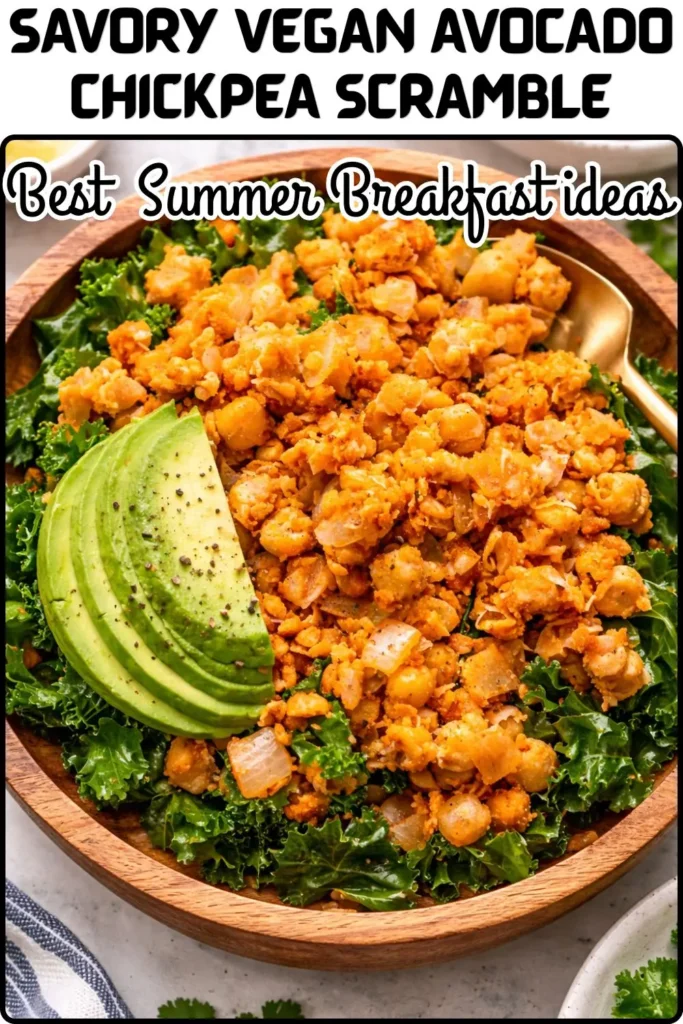
Savory Vegan Avocado Chickpea Scramble
Bake These This Weekend
Here’s the full picture: 45 minutes, twelve muffins, three tablespoons of lemon zest, and one of the most satisfying baking projects you can do on a Sunday afternoon. The lemon fragrance while they bake is reason enough to make them. The muffins themselves — golden-edged, tender, properly lemony, with those characteristic poppy seed flecks throughout — are reason enough to make them every weekend.
Store them in an airtight container and you have twelve mornings of breakfast ready and waiting. Freeze half the batch and you have the same supply available in a month with zero additional effort.
Get four or five lemons, soften your vegan butter, and bake a batch this weekend. You’ll have the whole house smelling like summer before the first muffin even comes out of the oven. IMO that alone makes the whole thing worth it
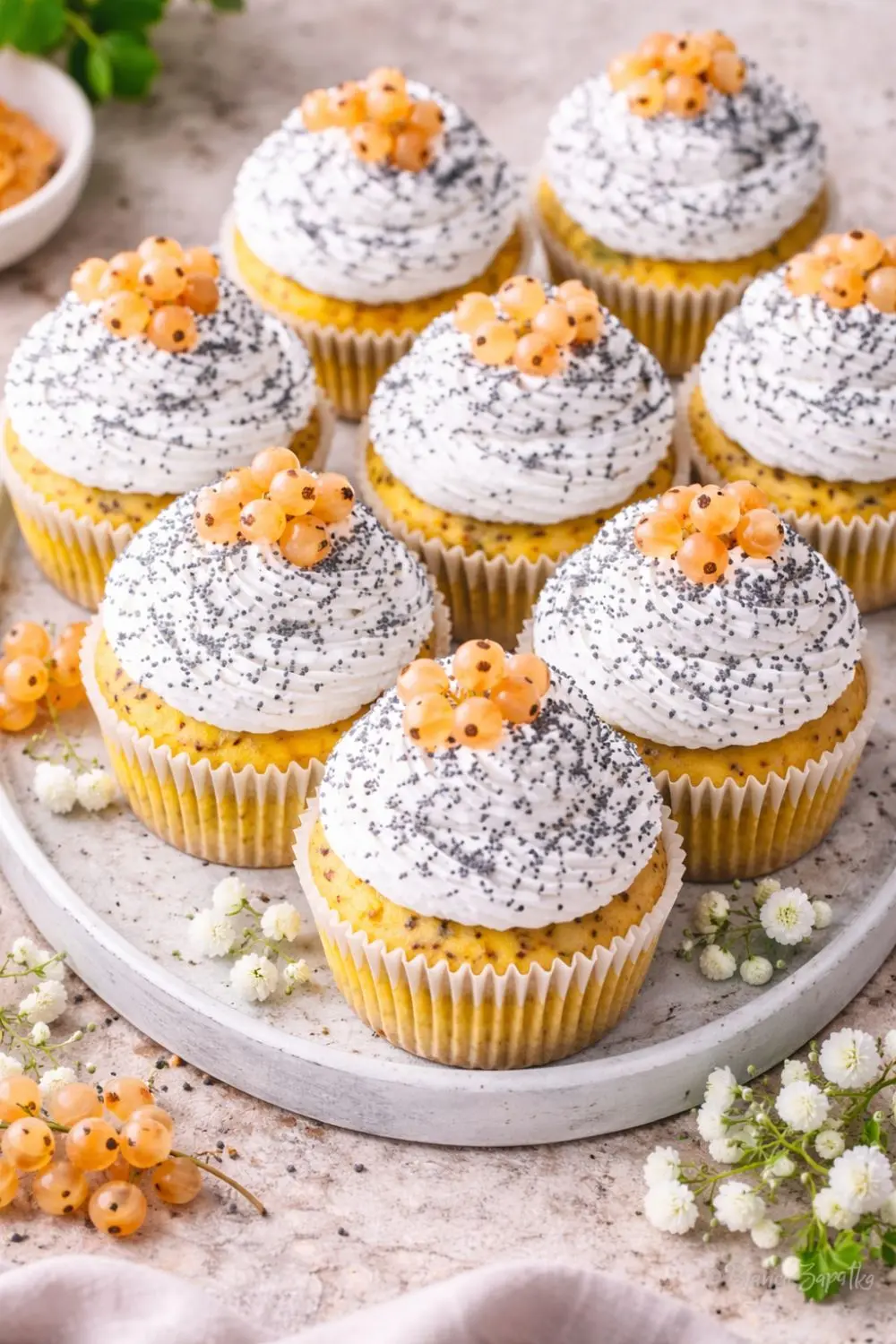
The Best Vegan Lemon Poppy Seed Muffins Summer Breakfast
Ingredients
Equipment
Method
- Step 1: Preheat your oven to 350°F (176°C). Line a standard 12-cup muffin tin with muffin liners or lightly grease each cup.
- Step 2: In a medium mixing bowl or the bowl of a stand mixer, combine the cane sugar, softened vegan butter, and lemon zest. Beat with an electric mixer on medium-high for about 2 minutes until the mixture is light, fluffy, and fragrant. The lemon zest will infuse into the butter and sugar during this step — it’s where most of the lemon flavour comes from.
- Step 3: Add the applesauce, lemon juice, and vanilla extract. Beat on medium until well combined and slightly fluffy. The mixture may look curdled at this point — that’s completely fine and expected. It will sort itself out in the next step.
- Step 4: Add the almond flour and beat until smooth and fully incorporated. Add the dairy-free milk and mix on low until combined. Finally, add the gluten-free flour blend (or all-purpose flour), baking powder, baking soda, sea salt, and poppy seeds. Mix on medium until the batter is light and fluffy with the poppy seeds evenly distributed throughout.
- Step 5: Divide the batter evenly between the 12 muffin liners. Each one should be about ¾ full.
- Step 6: Bake for 30–34 minutes until the edges are lightly golden and a toothpick inserted in the centre comes out with just a crumb or two. Don’t pull them out too early — underbaked vegan muffins tend to be gummy in the centre.
- Step 7: Let the muffins cool completely before eating for the best texture. I know this is hard. Do it anyway.
Notes
Calorie & Nutrition Breakdown (Per Muffin — 1 of 12)
| Nutrient | Per Muffin |
| Calories | 207 kcal |
| Carbohydrates | 27.9g |
| Protein | 3.5g |
| Total Fat | 10g |
| Saturated Fat | 4g |
| Fibre | 1.9g |
| Sugar | 12.6g |
| Sodium | 177mg |
| Calcium | 95mg |
| Iron | 0.8mg |
| Vitamin C | 4mg |

Hi — I’m Rachel. I’m a wife, a mom, and a home cook who believes that food should bring comfort, joy, and compassion to the table. I live with my family — two hungry little foodies who are my most honest recipe testers — and together we’ve built a kitchen culture that’s all about good food that happens to be 100% vegan. I started this blog because I wanted a place to share the recipes that keep our days moving, the dishes that make weeknights feel a little easier, and the meals that become our little family traditions.