
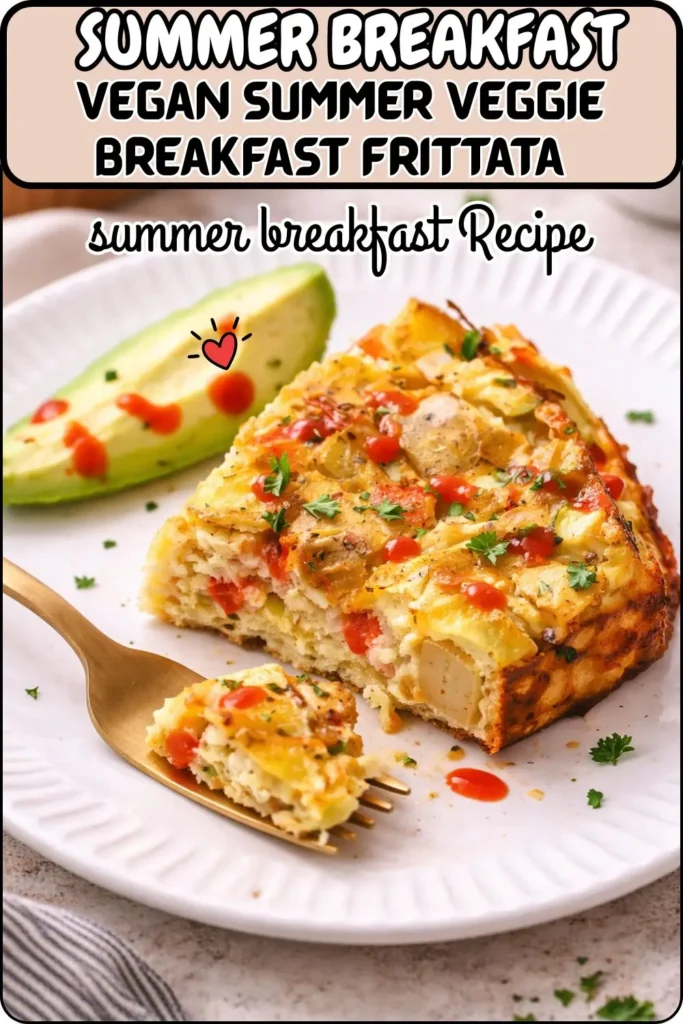
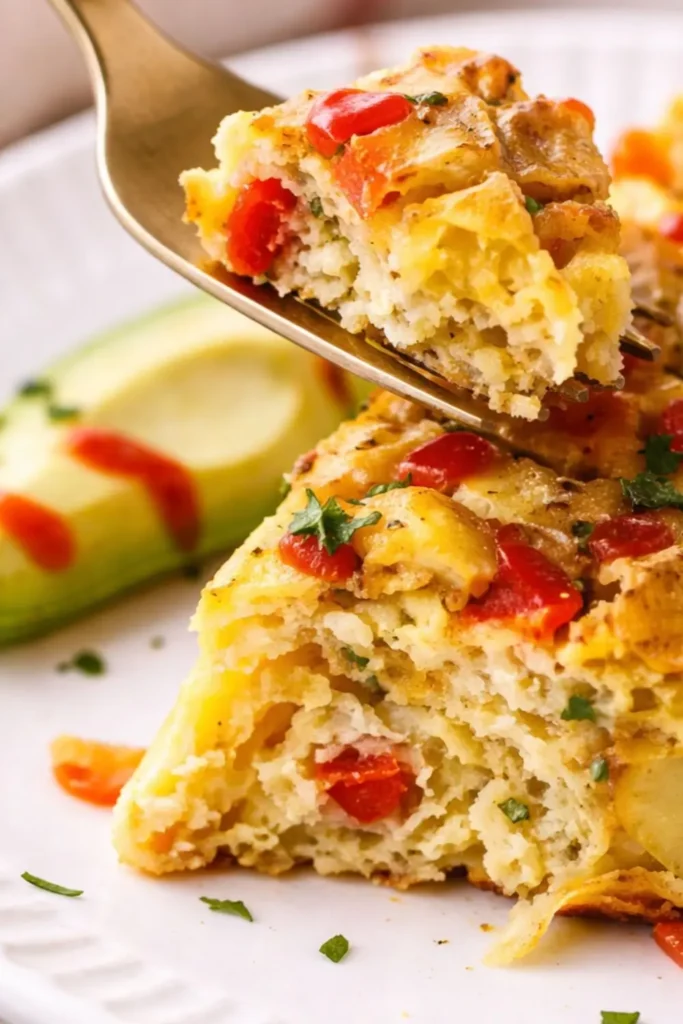
A frittata that contains zero eggs, zero dairy, and still delivers that unmistakable eggy flavor and set texture? That’s not a pipe dream it’s exactly what this Vegan Summer Veggie Breakfast Frittata pulls off, and the secret ingredient is something most people have never cooked with before. Split mung beans, black salt, and a smart combination of pantry staples create a batter that bakes into a sliceable, golden, savory frittata that genuinely fools people at the breakfast table.
I served this at a brunch gathering to a mix of vegans and non-vegans and watched people go back for seconds without asking a single question about what it was made of. That’s the real test. Let me show you exactly how to build it.
My Recipe Details at a Glance
Your full overview including the important prep-ahead timing:
- Course- Breakfast or Brunch
- Cuisin- Vegan, Plant-Based
- Active Prep Time- 30 minutes
- Soaking Time- 6 hours minimum (overnight recommended)
- Cook Time- 30 minutes
- Total Time- ~7 hours (mostly hands-off soaking)
- Servings- 6 slices
- Calories per Slice- 211 kcal
- Diet- 100% Vegan, Gluten-Free, Dairy-Free
The 6-hour soak time is the only reason this recipe takes “7 hours” the actual hands-on time is under an hour. Soak the mung beans the night before and this becomes a 30-minute morning bake. That’s the approach I recommend every time.
Equipment You’ll Need For
A few specific tools make a real difference here:
- A large mixing bowl – For soaking the mung beans. Use a bowl big enough to allow the beans to expand they roughly double in size during soaking. Cover the bowl with a plate or plastic wrap while soaking.
- A high-speed blender – Essential for blending the soaked mung beans into a smooth, pourable batter. The beans need to blend completely smooth any remaining chunks create uneven texture in the final frittata. A Vitamix or Ninja handles this in about 60 seconds. A standard blender needs longer and more scraping of the sides.
- A 12-inch oven-safe skillet – Size matters here. A 12-inch skillet gives you the right batter depth for the frittata to cook through evenly without being too thick (which makes it hard to set in the center) or too thin (which makes it fragile and dry). A cast iron skillet is the best option it distributes heat evenly from stovetop to oven and gives you beautiful browning on the bottom. Any oven-safe skillet works, but cast iron is strongly preferred.
- An oven preheated to 375°F (190°C) – The transition from stovetop to oven is what sets the frittata. Make sure your oven is fully preheated before the skillet goes in.
- Measuring cups and spoons – For the black salt, turmeric, coconut milk, chickpea flour, and baking powder. The seasoning ratios in this recipe are calibrated precisely, so measure accurately.
- A spatula or thin knife – For releasing the edges of the frittata from the skillet before slicing and serving.
Ingredients What Goes In and Why It All Works
The Mung Bean Base
- ¾ cup split mung beans (moong dal), rinsed – This is the foundational ingredient that makes the whole recipe possible. Split mung beans (also called moong dal) are yellow, skinless, and blend into a smooth batter after soaking. They provide plant protein, starch that helps the frittata set, and a neutral enough flavor to carry all the seasonings. FYI this recipe was tested with whole green mung beans and they don’t produce the same result. Use the yellow split variety specifically.
- ¼ cup chickpea flour – Works alongside the blended mung beans to add structure and help the batter bind during baking. It also contributes additional protein and a subtle savory, nutty flavor. If your batter is too thin after blending, add chickpea flour one tablespoon at a time until the consistency is right.
- 1¼ teaspoons baking powder – Creates lift during baking and produces a slightly fluffy interior texture rather than a dense, flat result.
The Eggy Flavor System
This is where this recipe does something genuinely clever. Three ingredients work together to create the sensory impression of eggs:
- 1¼ teaspoons black salt (kala namak) – Black salt is the single most important flavor ingredient in this recipe. It contains sulfur compounds that produce a flavor remarkably similar to cooked eggs distinctly savory, slightly sulfurous, and unmistakably familiar to anyone who’s eaten eggs. You can find it at Indian grocery stores, specialty food shops, and online. Start with the listed amount and taste add more if you want a stronger egg flavor, less if you prefer something milder. No other salt replicates this.
- ¾ teaspoon ground turmeric – Creates the golden-yellow color of a cooked egg batter. It also adds mild earthy warmth to the flavor. Don’t add more than the recipe calls for too much turmeric turns the frittata an unnatural orange and adds bitterness.
- ½ teaspoon onion powder – Adds savory depth and rounds out the overall flavor. It works quietly in the background, enhancing every other element without drawing attention to itself.
The Liquid and Fat
- 1⅓ cup canned light coconut milk – Provides liquid for the batter and a subtle richness that makes the frittata feel satisfying without being heavy. Light coconut milk works better than full-fat here the full-fat version makes the batter too dense to set properly. If the batter is too thick after blending, add more coconut milk one tablespoon at a time.
- 2 tablespoons olive or avocado oil – Blended into the batter to add fat and moisture. More oil goes into the skillet for cooking.
The Summer Vegetables and Toppings
- 1 cup vegetables – This is where summer shines. The recipe gives you complete flexibility to use whatever is peak season:
- Cherry tomatoes (halved) – Burst and sweeten in the oven.
- Thinly sliced red onion – Softens and sweetens beautifully.
- Zucchini ribbons– Mild and tender; perfect for summer.
- Baby spinach – Wilts and tucks into the batter seamlessly.
- Roasted red peppers – Add sweetness and vivid color.
- Corn kernels – Sweet and summery; a great textural addition.
- Fresh herbs – Basil, flat-leaf parsley, chives, or dill scattered over just before serving. Fresh herbs are the finishing touch that makes the whole frittata feel vibrant and alive.
- Vegan Parmesan cheese – Optional but excellent. A cashew-based vegan parmesan sprinkled over the top before baking adds savory depth and a slightly golden, cheese-like crust.
You may also like Next recipe
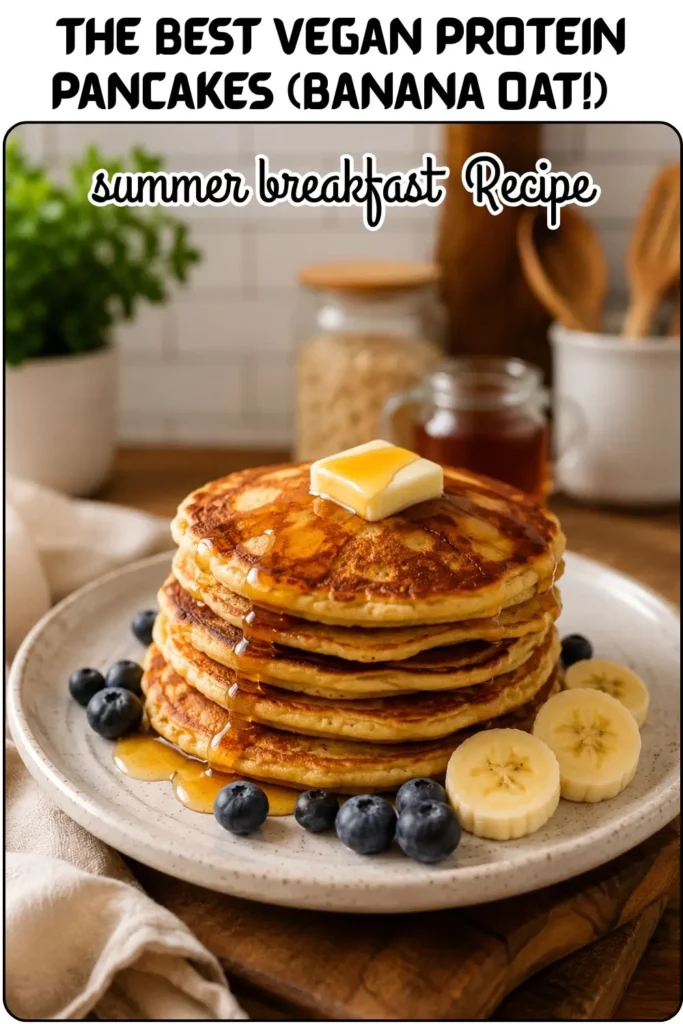
The Best Vegan Protein Pancakes (Banana Oat!)
How to Make Vegan Summer Veggie Breakfast Frittata
Step 1 – Soak the Mung Beans (The Night Before)
Rinse the split mung beans thoroughly under cold water, then add them to a large mixing bowl. Cover with lukewarm water use at least twice the volume of water to beans, as they absorb a significant amount. Cover the bowl and leave to soak for at least 6 hours at room temperature, or refrigerate overnight.
Don’t rush this step. Under-soaked mung beans don’t blend smoothly and the batter ends up grainy and uneven. Six hours is the minimum; eight hours overnight is better.
Step 2 – Preheat and Blend the Batter
Preheat your oven to 375°F (190°C). Drain the soaked mung beans and rinse well under cold water.
Add the drained beans to your high-speed blender. Add the black salt, onion powder, turmeric, coconut milk, olive oil, chickpea flour, and baking powder. Blend on high for 60–90 seconds until the batter is completely smooth, creamy, and uniformly yellow. No chunks, no graininess smooth enough that it pours freely.
Taste the batter at this point. It should taste savory, slightly eggy from the black salt, and mildly spiced. Adjust: more black salt for stronger egg flavor, more turmeric for color, more chickpea flour if too thin, more coconut milk if too thick.
Step 3 – Heat the Skillet
Place your 12-inch oven-safe cast iron skillet on the stovetop over medium heat. Add enough olive oil to coat the entire surface tilt the pan to spread it evenly up the sides too. Let the skillet get properly hot before adding any batter. A hot skillet sets the bottom of the frittata immediately, which prevents sticking and creates that golden-brown base.
Step 4 – Add the Batter and Toppings
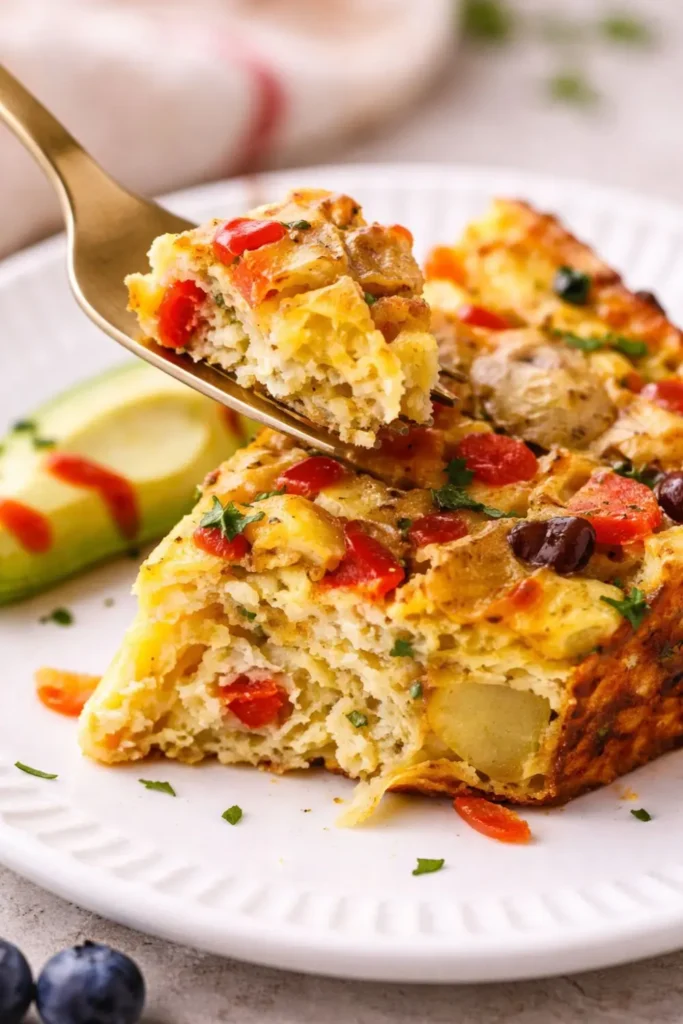
Pour the batter into the hot skillet in one smooth pour. It will sizzle slightly at the edges that’s correct. Immediately scatter your vegetables across the top. Arrange them deliberately rather than randomly the frittata is going to look exactly like what you put on top. Add spoonfuls of vegan parmesan if using.
Move quickly at this stage. The batter starts setting from the bottom the moment it hits the hot skillet, so you have about 60 seconds to arrange your toppings before the surface starts to firm.
Step 5 – Transfer to the Oven and Bake
Slide the skillet directly into the preheated oven immediately don’t wait. Bake uncovered for 10–15 minutes, checking at the 10-minute mark. The frittata is done when the edges look completely dry and slightly pulled away from the sides of the skillet, and the center no longer jiggles when you gently shake the pan.
Don’t overbake. An overbaked frittata becomes rubbery and dry pull it when the center just barely sets. It continues cooking slightly from residual heat after you remove it from the oven.
Let it rest for 5 minutes before slicing. Finish with fresh herbs and extra vegan parmesan.
Full Nutritional Breakdown (Per Slice 1 of 6)
Calculated with olive oil, ½ cup red onion, ½ cup cherry tomatoes, and macadamia nut cheese.
| Nutrient | Amount |
| Calories | 211 kcal |
| Carbohydrates | 23.8g |
| Protein | 7.7g |
| Fat | 10.6g |
| Saturated Fat | 3.1g |
| Fiber | 3.2g |
| Sugar | 4.5g |
| Sodium | 530mg |
| Potassium | 122mg |
At 211 calories per slice, this is a genuinely light but filling breakfast. Two slices give you 422 calories and 15.4g of plant protein a solid, complete morning meal, especially paired with toast or a simple side salad. The sodium is relatively high due to the black salt; if you’re monitoring sodium, reduce the black salt to ¾ teaspoon and taste before adding more.
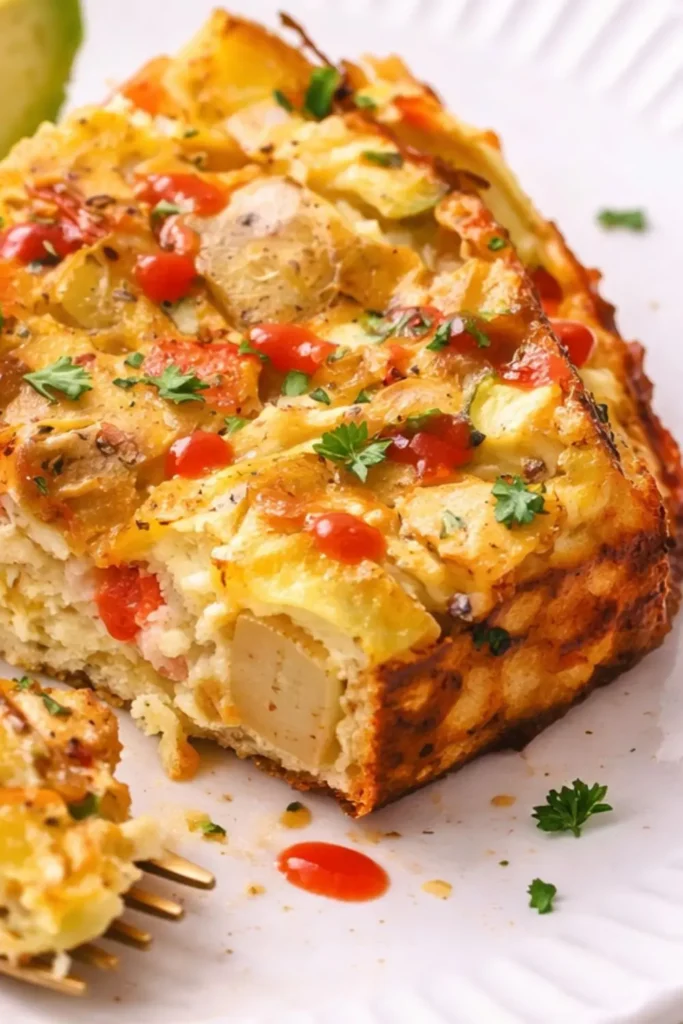
The Black Salt Deep Dive Why This Ingredient Changes Everything
Ever wonder how vegan recipes replicate that specific savory, sulfurous quality of cooked eggs? Black salt is the answer, and it’s worth understanding why.
Kala namak (Hindi for black salt) is a volcanic rock salt mined primarily in South Asia. Despite the name, it’s actually pinkish-gray in color when ground. It contains iron sulfide and other sulfur compounds that give it a flavor and aroma remarkably similar to hard-boiled eggs. When blended into the mung bean batter and baked, those sulfur compounds create the “eggy” quality that makes this frittata convincing to people who aren’t actively looking for a trick.
A few things to know about black salt:
- The flavor mellows when heated – raw batter tastes more intensely eggy than the cooked frittata. Don’t panic if the unbaked batter tastes very strong.
- Start with the recommended amount– 1¼ teaspoons for this recipe. Taste and adjust.
- Store in an airtight container – black salt loses some of its sulfur character if left open to air over time.
- Find it easily – Indian grocery stores, health food shops, and major online retailers all carry it. It’s inexpensive and worth having in your spice cabinet permanently. IMO, it’s one of the most useful vegan pantry staples nobody talks about enough.
Summer Vegetable Combinations Worth Trying
The recipe specifies 1 cup of vegetables here are specific summer combinations that work beautifully:
- Classic Summer-Cherry tomatoes + thinly sliced red onion + fresh basil
- Zucchini Garden- Zucchini ribbons + corn kernels + fresh dill
- Mediterranean- Roasted red peppers + kalamata olives + fresh oregano
- Green Garden- Baby spinach + asparagus tips + chives
- Farmers Market- A mix of whatever’s freshest at your local market this recipe handles any combination gracefully
Thinly slice or roughly chop all vegetables before adding them to the batter. Very large or thick pieces don’t cook through fully in the 10–15 minute baking time.
Storage and Reheating
- Refrigerator- Store cooked frittata slices covered for up to 2–3 days. Reheat in a 350°F oven for 8–10 minutes or microwave for 60–90 seconds.
- Freezer (cooked)- Not recommended the cooked frittata doesn’t freeze well. The texture becomes watery on thawing.
- Freezer (batter)-The uncooked blended batter freezes beautifully for up to 1 month. Thaw in the fridge overnight, stir well before using, and bake as directed.
My Bottom Line
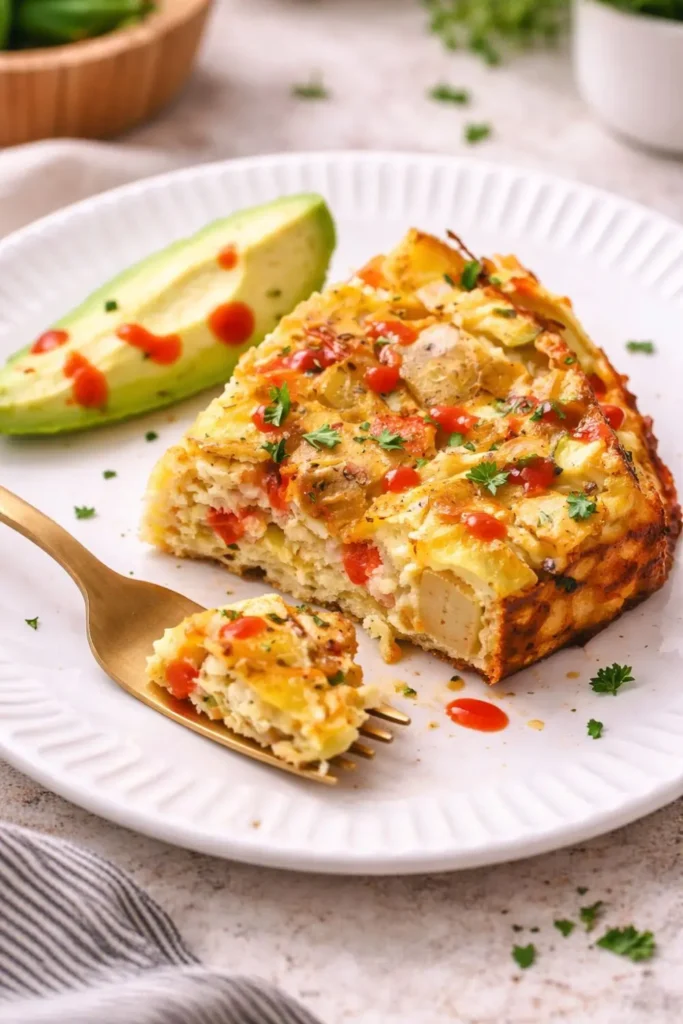
This Vegan Summer Veggie Breakfast Frittata is the recipe that makes plant-based cooking feel genuinely impressive the kind of dish you bring to a brunch table and watch people try to figure out. Split mung beans do the structural work, black salt does the flavor work, and summer vegetables do the aesthetic work. Together, they create something that holds its own against any egg-based frittata you’ve ever served.
Soak the beans tonight. Blend, pour, bake, and slice tomorrow morning. Serve it to someone skeptical and watch them quietly reconsider everything they thought they knew about vegan cooking. That moment alone is worth the six hours of doing absolutely nothing while the beans soak.
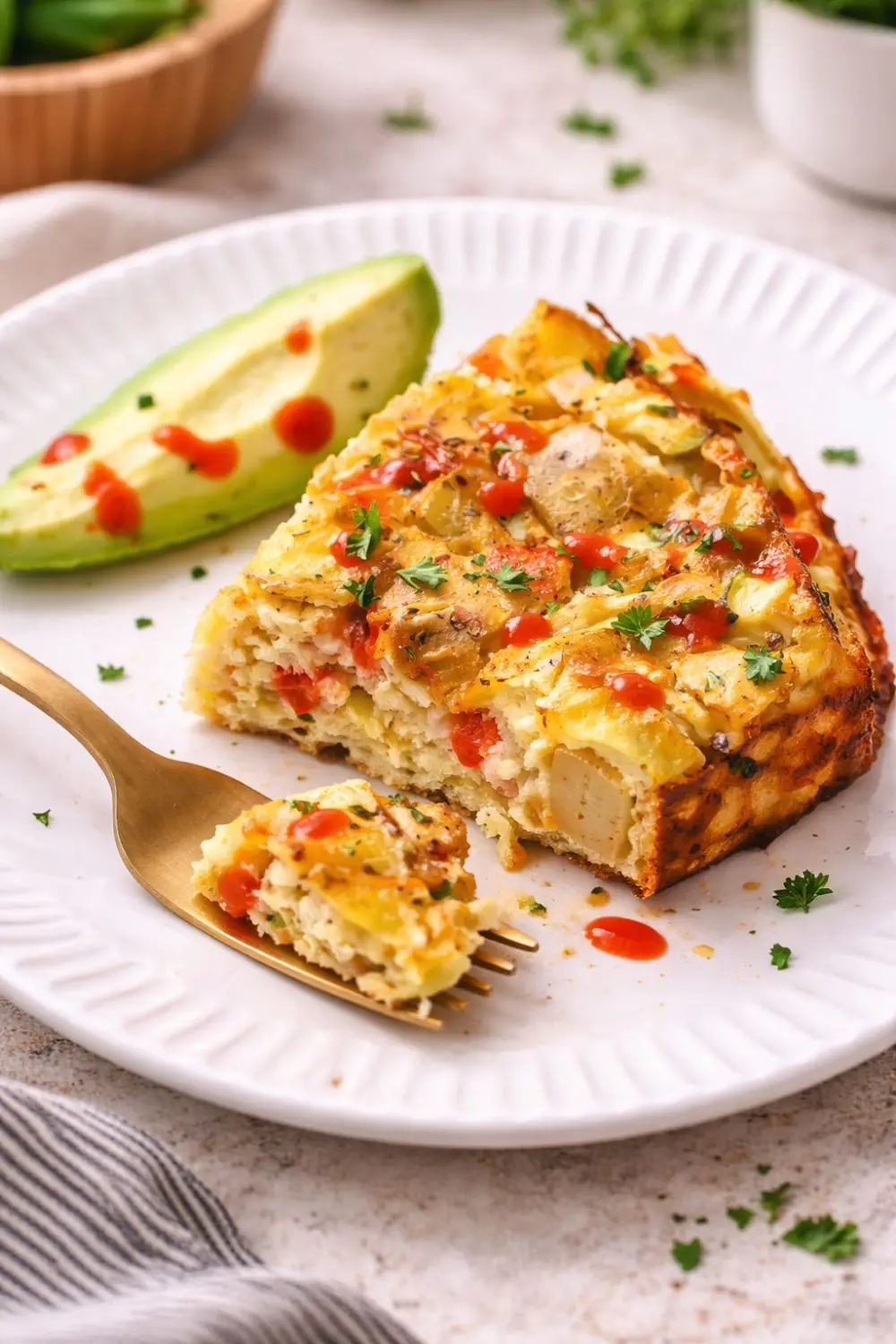
Vegan Summer Veggie Breakfast Frittata
Ingredients
Equipment
Method
- Step 1 – Soak the Mung Beans (The Night Before)
- Rinse the split mung beans thoroughly under cold water, then add them to a large mixing bowl. Cover with lukewarm water use at least twice the volume of water to beans, as they absorb a significant amount. Cover the bowl and leave to soak for at least 6 hours at room temperature, or refrigerate overnight.
- Don’t rush this step. Under-soaked mung beans don’t blend smoothly and the batter ends up grainy and uneven. Six hours is the minimum; eight hours overnight is better.
- Step 2 – Preheat and Blend the Batter
- Preheat your oven to 375°F (190°C). Drain the soaked mung beans and rinse well under cold water.
- Add the drained beans to your high-speed blender. Add the black salt, onion powder, turmeric, coconut milk, olive oil, chickpea flour, and baking powder. Blend on high for 60–90 seconds until the batter is completely smooth, creamy, and uniformly yellow. No chunks, no graininess smooth enough that it pours freely.
- Taste the batter at this point. It should taste savory, slightly eggy from the black salt, and mildly spiced. Adjust: more black salt for stronger egg flavor, more turmeric for color, more chickpea flour if too thin, more coconut milk if too thick.
- Step 3 – Heat the Skillet
- Place your 12-inch oven-safe cast iron skillet on the stovetop over medium heat. Add enough olive oil to coat the entire surface tilt the pan to spread it evenly up the sides too. Let the skillet get properly hot before adding any batter. A hot skillet sets the bottom of the frittata immediately, which prevents sticking and creates that golden-brown base.
- Step 4 – Add the Batter and Toppings
- Pour the batter into the hot skillet in one smooth pour. It will sizzle slightly at the edges that’s correct. Immediately scatter your vegetables across the top. Arrange them deliberately rather than randomly the frittata is going to look exactly like what you put on top. Add spoonfuls of vegan parmesan if using.
- Move quickly at this stage. The batter starts setting from the bottom the moment it hits the hot skillet, so you have about 60 seconds to arrange your toppings before the surface starts to firm.
- Step 5 – Transfer to the Oven and Bake
- Slide the skillet directly into the preheated oven immediately don’t wait. Bake uncovered for 10–15 minutes, checking at the 10-minute mark. The frittata is done when the edges look completely dry and slightly pulled away from the sides of the skillet, and the center no longer jiggles when you gently shake the pan.
- Don’t overbake. An overbaked frittata becomes rubbery and dry pull it when the center just barely sets. It continues cooking slightly from residual heat after you remove it from the oven.
Notes
Full Nutritional Breakdown (Per Slice 1 of 6)
Calculated with olive oil, ½ cup red onion, ½ cup cherry tomatoes, and macadamia nut cheese.| Nutrient | Amount |
| Calories | 211 kcal |
| Carbohydrates | 23.8g |
| Protein | 7.7g |
| Fat | 10.6g |
| Saturated Fat | 3.1g |
| Fiber | 3.2g |
| Sugar | 4.5g |
| Sodium | 530mg |
| Potassium | 122mg |

Hi — I’m Rachel. I’m a wife, a mom, and a home cook who believes that food should bring comfort, joy, and compassion to the table. I live with my family — two hungry little foodies who are my most honest recipe testers — and together we’ve built a kitchen culture that’s all about good food that happens to be 100% vegan. I started this blog because I wanted a place to share the recipes that keep our days moving, the dishes that make weeknights feel a little easier, and the meals that become our little family traditions.