
If you’ve ever had a traditional mango lassi and thought “I wish I could eat this with a spoon” — congratulations, you’ve basically already invented this recipe in your head. This Dairy-Free Mango Lassi Smoothie Bowl takes everything wonderful about the classic Indian drink — the sweet ripe mango, the creamy yoghurt, the cardamom, the ginger — and turns it into a thick, spoonable, completely plant-based breakfast that you can make in ten minutes flat.
I first got obsessed with mango lassi years before I went vegan, and finding a way to recreate that same flavour profile without any dairy felt genuinely important to me. This version nails it. The coconut yoghurt brings the same creamy richness, the spices are exactly right, and the hemp seeds add nutrition without changing the flavour at all. It’s one of those recipes that feels special without being complicated. Let’s get into it.
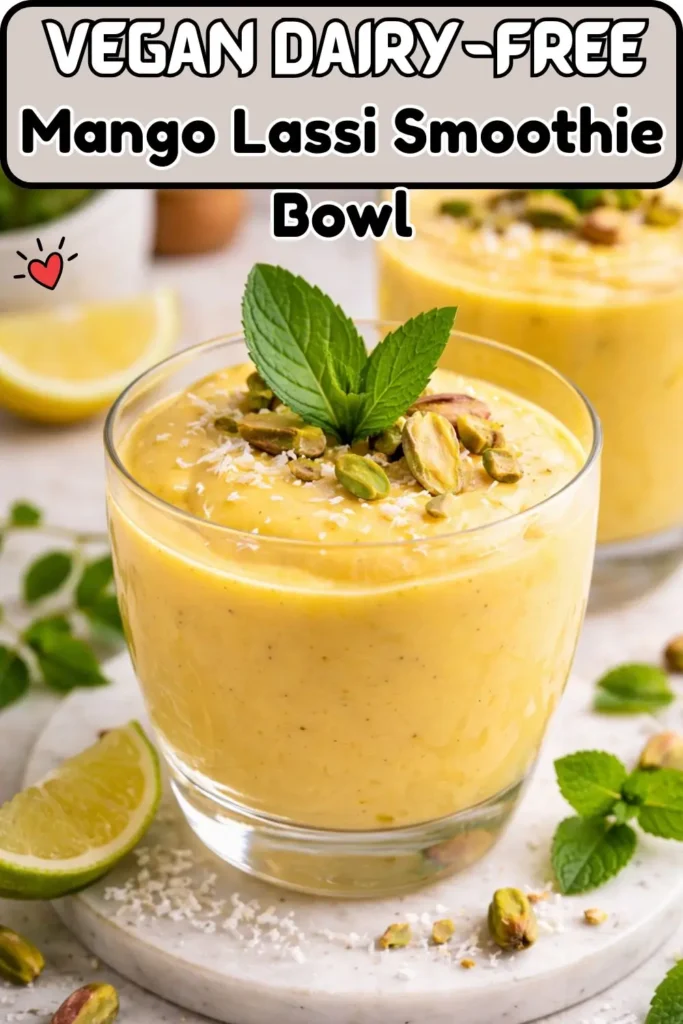
Quick Recipe Info
- Prep Time: 10 minutes
- Total Time: 10 minutes
- Servings: 2–3 cups (about 2–3 servings)
- Course: Breakfast / Smoothie Bowl
- Cuisine: Modern Plant-Based
- Diet: 100% Vegan, Dairy-Free
The Full Ingredient List
- 2 sweet, ripe mangoes (about 530g total)
- 1 cup plain coconut yoghurt or cashew-based yoghurt (230g)
- 1 tablespoon raw shelled hemp seeds
- ½ teaspoon freshly grated ginger
- ¼ teaspoon ground cardamom
- 2 tablespoons maple syrup
- Plant-based milk of your choice — optional, for a thinner consistency
Optional garnishes:
- Fresh mint leaves
- Extra mango slices
- Crushed pistachios
- Shredded coconut
How to Make It – Step by Step For Dairy-Free Mango Lassi Smoothie Bowl
Step 1: Peel and cube your mangoes. If you store them in the fridge overnight, they’ll already be nicely chilled — which means your bowl is ready to eat immediately after blending. If they’ve been sitting at room temperature, pop a few frozen mango cubes in alongside the fresh ones to get that instant chilled effect.
Step 2: Add all ingredients to your blender — the mango cubes, coconut yoghurt, hemp seeds, grated ginger, ground cardamom, and maple syrup. Blend everything together until completely smooth. Keep blending until the hemp seeds have fully disappeared into the mixture — you should see no visible seeds and the texture should be completely uniform and creamy.
Step 3: If you’re using a high-speed blender, start at the lowest speed setting and gradually increase to the highest. This protects the motor and gives you a smoother result than going straight to full power.
Step 4: Taste and adjust. Need more sweetness? Add a touch more maple syrup. Too thick? Add a splash of plant milk and blend briefly. Too thin? Add another spoonful of yoghurt.
Step 5: Pour into bowls or glasses, add your garnishes, and serve immediately. Or refrigerate for a couple of hours if you want it extra cold.
Ten minutes, one blender, done.
Equipment You’ll Need
- A high-speed blender — this is the one non-negotiable piece of equipment. The hemp seeds need to be fully pulverised, and a weak blender simply won’t do that job properly. A Vitamix, Blendtec, NutriBullet Pro, or Ninja are all excellent choices. If you only have a basic blender, let the hemp seeds soak in the yoghurt for 10 minutes before blending — it softens them slightly and makes them easier to process.
- A sharp knife and chopping board for peeling and cubing the mangoes
- A vegetable peeler — optional but makes peeling mangoes much less messy
- Measuring spoons for the ginger, cardamom, maple syrup, and hemp seeds
- Kitchen scales — optional, but helpful for getting the mango quantity right (you’re aiming for about 530g)
- Serving bowls or glasses — wide, shallow bowls work best for a smoothie bowl format; tall glasses work if you want to serve it more like a lassi
That’s genuinely everything. The blender is the only item on that list that matters significantly.
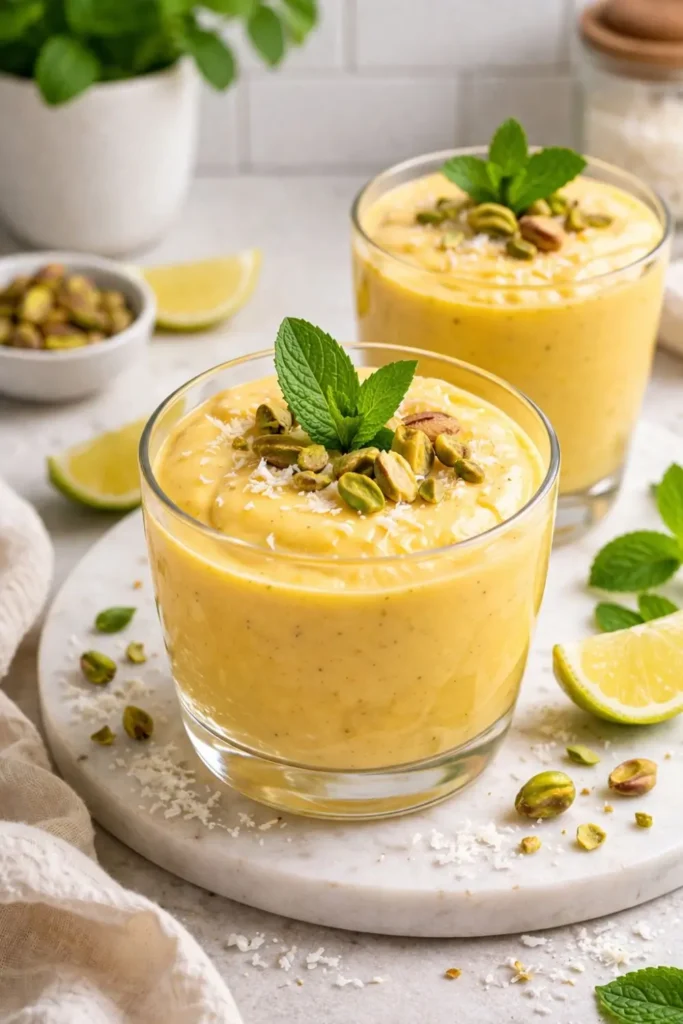
Calorie & Nutrition Breakdown (Per Cup Serving)
| Nutrient | Per Serving (1 cup) |
| Calories | 199 kcal |
| Carbohydrates | 38g |
| Protein | 5g |
| Total Fat | 4g |
| Fibre | 3g |
| Sugar | 31g |
| Vitamin A | 1519 IU (30% DV) |
| Vitamin C | 60mg (73% DV) |
| Calcium | 137mg (14% DV) |
| Iron | 1mg (6% DV) |
| Potassium | 265mg |
At just 199 calories per cup, this is a remarkably light breakfast for how filling and satisfying it actually feels. The mango alone delivers 73% of your daily vitamin C in a single serving — which is genuinely impressive for a breakfast that tastes like a dessert.
FYI: Hemp seeds are a complete plant protein, meaning they contain all nine essential amino acids. That one tablespoon adds more nutritional value than you’d expect from such a small quantity — and you won’t even know it’s there because the flavour is completely neutral.
Why This Dairy-Free Mango Lassi Smoothie Bowl Is Worth Making
Traditional mango lassi is a South Asian drink made with yoghurt, ripe mango, and spices — typically cardamom, sometimes rose water, sometimes a pinch of salt. It’s refreshing, creamy, subtly spiced, and deeply satisfying. Making a plant-based version that captures all of that isn’t hard — it just requires the right substitutions and the confidence to trust that the result will be just as good. Spoiler: it is.
Coconut Yoghurt Is the Right Call
You could use any plant-based yoghurt here, but coconut yoghurt is the closest thing to traditional lassi yoghurt in terms of fat content, creaminess, and flavour. The slight sweetness of coconut actually complements the mango beautifully, and the thick consistency gives you that characteristic lassi richness. Cashew yoghurt is an excellent second choice — very creamy and neutral, which lets the mango and spices take centre stage.
The Spices Are What Make It a Lassi
A mango smoothie bowl without cardamom and ginger is just… a mango smoothie bowl. Fine, but not special. The ¼ teaspoon of cardamom adds a floral, almost perfume-like warmth that is completely characteristic of mango lassi. The ½ teaspoon of fresh ginger adds a gentle heat that balances the sweetness of the mango. Together, these two spices are what transform this from a generic fruit bowl into something that has genuine character and depth of flavour.
Ripe Mangoes Are Non-Negotiable
This is the most important tip in the entire recipe: use properly ripe mangoes. An underripe mango is starchy, fibrous, and bland — it will give you a bowl that tastes like mild fruit soup rather than the vibrant, intensely sweet, fragrant result you’re after. A ripe mango smells strongly fruity even before you cut it, yields slightly to gentle pressure, and has flesh that’s deep orange-yellow and very juicy. If your mangoes aren’t quite ripe, leave them on the counter for a day or two. Patience pays off here more than any other ingredient decision you can make.
Choosing Your Mangoes – A Brief but Important Guide
Not all mangoes are created equal, and the variety you use genuinely affects the final flavour of this bowl.
Alphonso Mangoes
Often called the “king of mangoes” — intensely sweet, almost honey-like, with very little fibre. If you can find them (they’re widely available in Indian grocery stores during season), use them. They produce an exceptionally smooth, deeply flavoured lassi.
Ataulfo (Honey) Mangoes
Small, yellow, buttery, and very sweet. One of the best choices for this recipe because they blend incredibly smoothly and have a clean, rich flavour without any stringiness.
Tommy Atkins Mangoes
The most common supermarket variety. They work, but they’re less sweet and more fibrous than the options above. If these are what you have, make sure they’re very ripe and add the full amount of maple syrup.
Frozen Mango
A completely valid option when fresh mangoes aren’t in season or aren’t at their best. Frozen mango is picked and frozen at peak ripeness, so it’s often sweeter and more flavourful than an out-of-season fresh mango. Partially thaw it before blending to protect your blender and get a smoother result.
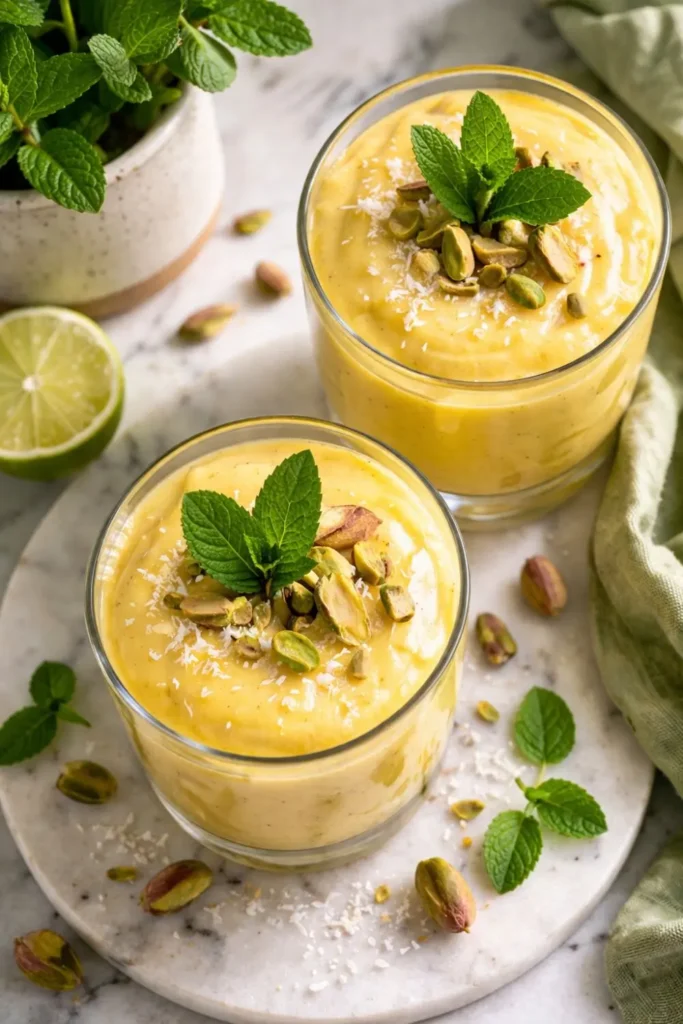
Tips for Getting This Bowl Absolutely Right
- Chill everything in advance. Refrigerate your mangoes overnight if you want a bowl that’s cold enough to eat immediately. Alternatively, use partially frozen mango cubes for an instant chilled effect.
- Start blending on low. Jumping straight to high speed with thick, cold ingredients can stress your blender motor. Start low, build up gradually.
- Keep blending until smooth. The hemp seeds need time to fully integrate. Keep the blender running until you see absolutely no visible seeds — the texture should be completely uniform and silky.
- Serve in chilled bowls. Pop your serving bowls in the freezer for 5 minutes before using. It keeps the bowl colder for longer and makes the whole experience more refreshing.
- Taste before pouring. Mango sweetness varies enormously depending on variety and ripeness. Taste the mixture and adjust the maple syrup before you commit to serving it.
- Don’t skip the garnishes. A few mint leaves, some mango slices, a scatter of pistachios, and a pinch of shredded coconut turn a good bowl into a genuinely beautiful one. It takes 60 extra seconds and the visual payoff is significant.
Adjusting the Consistency — Thick Bowl vs Thinner Lassi
This recipe is versatile enough to serve two ways, depending on what you want from it.
For a Thick Smoothie Bowl (Spoonable)
Use the recipe exactly as written — no added plant milk. The coconut yoghurt and mango together produce a texture that’s thick enough to hold toppings and eat with a spoon. This is the breakfast bowl version, and it’s the most satisfying way to eat it.
For a Thinner Lassi (Drinkable)
Add plant-based milk a splash at a time until you reach a pourable consistency. Start with 3–4 tablespoons and blend briefly after each addition. Oat milk or coconut milk work best here — they add creaminess without watering down the flavour. This version is brilliant served in tall glasses over ice for a summer drink that’s somewhere between a smoothie and a milkshake.
The beautiful thing about this recipe is that the exact same ingredients serve both purposes — you just control the consistency with liquid.
Plant-Based Yoghurt Comparison for This Recipe
| Yoghurt Type | Flavour | Creaminess | Best For |
| Coconut yoghurt | Subtly sweet, slight coconut note | Very high | Best overall choice |
| Cashew yoghurt | Neutral, clean | High | Best if you want pure mango flavour |
| Soy yoghurt | Slightly tangy | Medium-high | Good protein boost |
| Almond yoghurt | Light, slightly nutty | Medium | Use thick variety only |
Whichever you choose, make sure it’s plain and unsweetened — flavoured yoghurts will compete with the mango and cardamom rather than complementing them.
Variations to Try Once You Love the Original
- Rose and mango lassi bowl: Add ½ teaspoon of rose water to the blend. The floral combination of rose and cardamom is deeply fragrant and very traditional.
- Saffron mango lassi: Steep a small pinch of saffron in a tablespoon of warm water for 5 minutes, then add to the blender. Saffron and mango is a classic pairing in Indian cuisine and the colour it produces is extraordinary.
- Mango and pineapple version: Replace half the mango with frozen pineapple. You lose some of the classic lassi character but gain a vibrant tropical punch.
- Extra spiced version: Double the cardamom and add a tiny pinch of ground cinnamon and black pepper. The black pepper sounds odd but it’s actually traditional in some lassi recipes and adds a very subtle warmth.
- Protein-boosted version: Add a scoop of vanilla vegan protein powder. The texture stays creamy and you hit 20g+ of protein per serving.
- Green mango lassi: Add a handful of baby spinach before blending. The colour turns a deep golden-green, you can’t taste the spinach at all, and you add iron and folate to an already nutritious bowl.
How to Store Leftovers
Unlike most smoothie bowls, this one actually stores reasonably well — which is a genuine bonus.
In the fridge: Store leftover mango lassi in a covered glass jar or container for up to 3 days. It won’t go bad after that, but the freshness and vibrancy of the flavour starts to fade. Give it a good stir before serving — the ingredients naturally separate slightly in the fridge and a quick stir brings everything back together.
Freezing: Pour leftovers into ice cube trays and freeze solid. Then blend the frozen cubes with a splash of plant milk for an instant, perfectly chilled version any time. This is a genuinely clever way to use up any extra bowl without waste.
One thing to avoid: Don’t add the garnishes before storing. Mint wilts, pistachios go soft, and fresh mango slices oxidise. Always add toppings fresh right before eating.
Why Cardamom and Ginger Deserve More Recognition in Breakfast
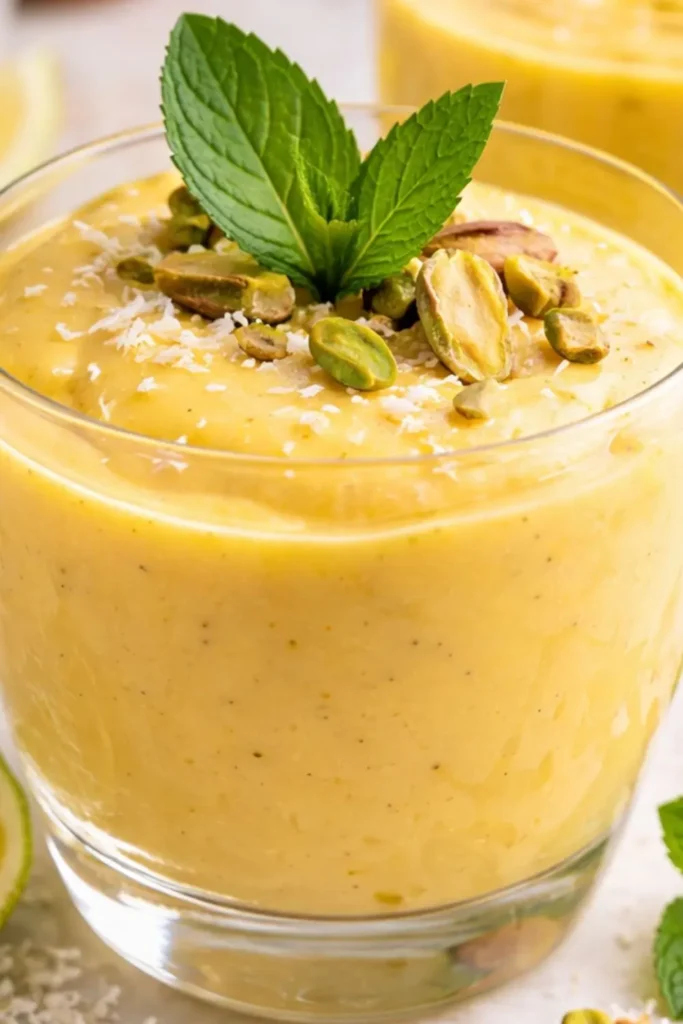
Let’s talk about these two spices for a moment, because they’re the soul of this recipe and they don’t get nearly enough credit in Western breakfast food.
Cardamom is one of the most complex spices you can add to a sweet dish. It’s floral, slightly citrusy, warm, and almost perfumed in the best possible way. It’s been used in Indian cuisine for centuries and in Scandinavian baking for just as long — and it pairs with mango in a way that feels completely natural and right. A tiny amount transforms this bowl from pleasant to memorable.
Fresh ginger adds a clean, bright heat that cuts through the sweetness of both the mango and the maple syrup. It prevents the bowl from tasting flat or one-dimensionally sweet. The key word is fresh — ground ginger works in a pinch but lacks the brightness of freshly grated. Grate it finely so it distributes evenly through the blend.
Together, these two spices are what make this a mango lassi bowl rather than just a mango yoghurt bowl. Don’t leave either of them out. IMO they’re the most important ingredients after the mango itself.
Frequently Asked Questions
Can I use canned mango pulp instead of fresh mangoes? Yes — canned Alphonso mango pulp is actually a brilliant shortcut and often produces a more intensely flavoured result than mediocre fresh mangoes. Look for 100% mango pulp with no added sugar. Use about 1½ cups in place of the fresh mango.
My lassi bowl turned out too thick — what do I do? Add plant-based milk one tablespoon at a time and blend briefly after each addition until you reach your preferred consistency. Don’t add too much at once or you’ll overcorrect.
Can I make this without a high-speed blender? You can, but soak the hemp seeds in the yoghurt for at least 10 minutes first to soften them. A regular blender may leave small seed particles — it won’t affect the flavour, just the texture slightly.
Is this recipe suitable for children? Absolutely — the spices are very mild at these quantities. If you’re making it for very young children, you can reduce the ginger to ¼ teaspoon or leave it out entirely.
Can I use agave or another sweetener instead of maple syrup? Yes — agave works well and has a slightly milder flavour. Date syrup adds a deeper, more caramel-like sweetness that’s lovely with mango. Coconut sugar dissolved in a little warm water also works. Taste as you go and adjust to your preference.
How do I know if my mango is ripe enough? It should smell strongly fruity and sweet even before cutting. It should yield slightly when you press it gently near the top. The flesh inside should be deep orange-yellow and very juicy — not pale, fibrous, or starchy.
Still Hungry, Try It Next recipe :-
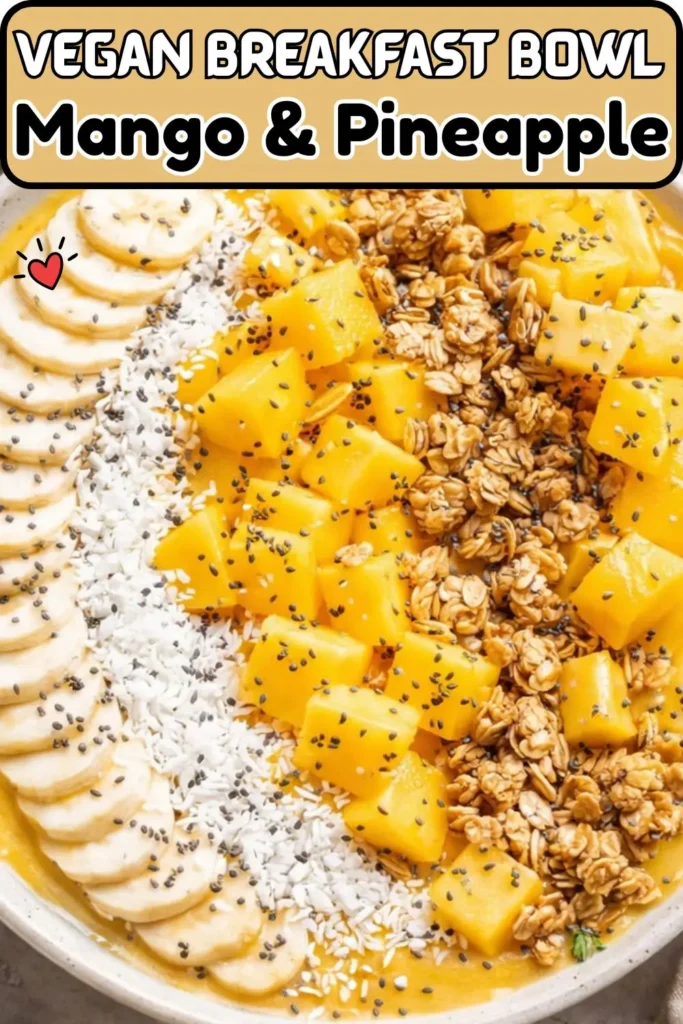
Tropical Vegan Breakfast Bowl with Mango and Pineapple
A Quick Note on Why This Recipe Feels Special
There’s something meaningful about a recipe that bridges food traditions. Mango lassi is a drink with deep cultural roots in South Asian cuisine — it’s refreshing, nourishing, and made from ingredients that have been grown and eaten in that part of the world for thousands of years. This plant-based version respects those origins while making the recipe accessible to anyone following a dairy-free or vegan diet.
It’s not a lesser version of the original. It’s a genuinely delicious bowl in its own right — one that happens to be free from dairy, high in vitamins, full of flavour, and ready in ten minutes. That combination is hard to beat on a summer morning.
Make This Tomorrow Morning
Here’s the full picture: two ripe mangoes, a cup of coconut yoghurt, cardamom, ginger, hemp seeds, and maple syrup — blended for two minutes and poured into a bowl with a handful of fresh garnishes. Three servings. Ten minutes. 199 calories per cup, 73% of your daily vitamin C, and a flavour that genuinely stops you in your tracks on the first spoonful.
Put your mangoes in the fridge tonight. Set up your blender on the counter. Tomorrow morning, ten minutes is all you need for the most refreshing, most beautifully spiced summer breakfast you’ve made this season.
Your future self — the one who wakes up to a bowl of cold, creamy, cardamom-spiced mango lassi — will be very glad you read this.
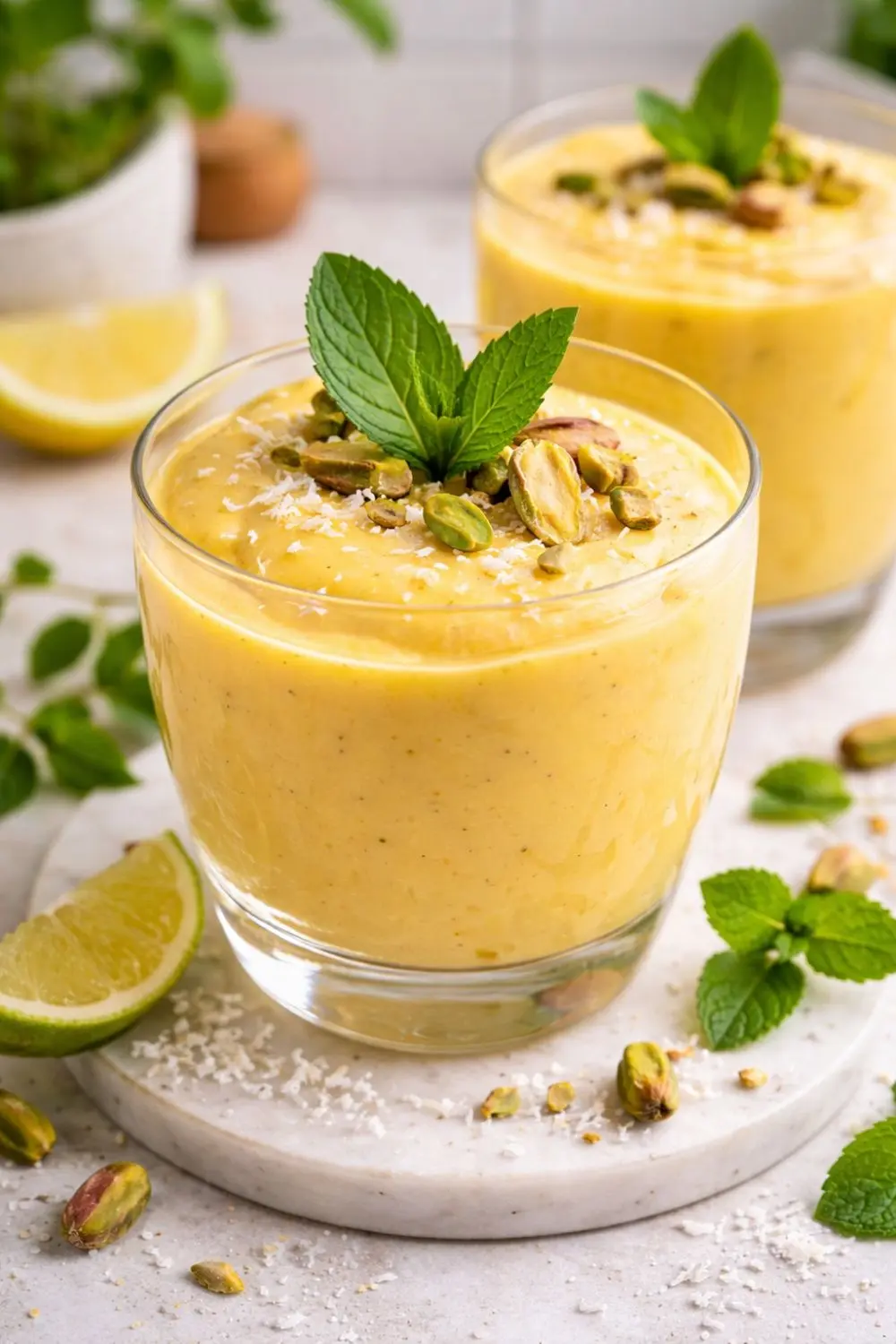
airy-Free Mango Lassi Smoothie Bowl Most Refreshing Summer Breakfast
Ingredients
Equipment
Method
- Step 1: Peel and cube your mangoes. If you store them in the fridge overnight, they’ll already be nicely chilled — which means your bowl is ready to eat immediately after blending. If they’ve been sitting at room temperature, pop a few frozen mango cubes in alongside the fresh ones to get that instant chilled effect.
- Step 2: Add all ingredients to your blender — the mango cubes, coconut yoghurt, hemp seeds, grated ginger, ground cardamom, and maple syrup. Blend everything together until completely smooth. Keep blending until the hemp seeds have fully disappeared into the mixture — you should see no visible seeds and the texture should be completely uniform and creamy.
- Step 3: If you’re using a high-speed blender, start at the lowest speed setting and gradually increase to the highest. This protects the motor and gives you a smoother result than going straight to full power.
- Step 4: Taste and adjust. Need more sweetness? Add a touch more maple syrup. Too thick? Add a splash of plant milk and blend briefly. Too thin? Add another spoonful of yoghurt.
- Step 5: Pour into bowls or glasses, add your garnishes, and serve immediately. Or refrigerate for a couple of hours if you want it extra cold.
- Ten minutes, one blender, done.
Notes
Calorie & Nutrition Breakdown (Per Cup Serving)
| Nutrient | Per Serving (1 cup) |
| Calories | 199 kcal |
| Carbohydrates | 38g |
| Protein | 5g |
| Total Fat | 4g |
| Fibre | 3g |
| Sugar | 31g |
| Vitamin A | 1519 IU (30% DV) |
| Vitamin C | 60mg (73% DV) |
| Calcium | 137mg (14% DV) |
| Iron | 1mg (6% DV) |
| Potassium | 265mg |

Hi — I’m Rachel. I’m a wife, a mom, and a home cook who believes that food should bring comfort, joy, and compassion to the table. I live with my family — two hungry little foodies who are my most honest recipe testers — and together we’ve built a kitchen culture that’s all about good food that happens to be 100% vegan. I started this blog because I wanted a place to share the recipes that keep our days moving, the dishes that make weeknights feel a little easier, and the meals that become our little family traditions.