
A smoothie bowl that’s bright green, packed with spinach, and genuinely tastes like a tropical dessert that’s the promise of the Vegan Green Smoothie Bowl, and it’s a promise this recipe keeps completely. Frozen banana and mango create a thick, creamy, naturally sweet base that completely conceals the two cups of spinach hiding inside. The result is a bowl that tastes like you’re eating a mango-banana ice cream for breakfast and feeling virtuous about it at the same time. Summer mornings don’t get much better than this.
I started making green smoothie bowls when I wanted something cold, energizing, and genuinely satisfying that didn’t require any cooking or significant morning effort. The key discovery frozen bananas and frozen mango together creates a base so thick and creamy it can hold toppings without everything sinking. You eat it with a spoon, not through a straw, which somehow makes the whole experience feel more substantial and intentional. This is the breakfast that makes you feel like you have your life together, even if you absolutely do not.

My Recipe Timing and Serving Details
Here’s your complete planning overview:
| Detail | Info |
| Prep Time | 10 minutes |
| Total Time | 10 minutes |
| Servings | 2 bowls |
| Serving Size | 1 bowl (base only) |
| Calories Per Bowl | 269 kcal (base without toppings) |
| Course | Breakfast |
| Cuisine | American |
| Diet | 100% Vegan |
10 minutes total for two genuinely impressive, nutritionally complete smoothie bowls. At 269 calories per bowl for the base without toppings, this breakfast delivers extraordinary nutritional value Vitamin A at 3,820 IU (76% DV), Vitamin C at 53.9mg (60% DV), potassium at 1,001mg, and 6 grams of fiber from whole fruit and spinach. Add toppings and the complete breakfast lands at 400–500 calories depending on what you choose a perfectly balanced, energizing start to a summer day.
Why This Green Smoothie Bowl Actually Works
Green smoothie bowls have a reputation problem people see “spinach” in the ingredient list and assume they’re in for something that tastes healthy in the least enjoyable sense of the word. This recipe specifically addresses that assumption and dispels it completely.
The flavor architecture is the key: frozen banana provides the dominant sweetness and creaminess, frozen mango adds tropical brightness and an additional layer of natural fruit sugar, and the coconut yogurt contributes richness and a subtle tangy note. Against this fruit-forward, naturally sweet backdrop, two cups of spinach contribute essentially nothing to the flavor. Zero. The spinach is invisible to your taste buds while remaining fully present for your nutritional benefit.
The color is vivid and genuinely beautiful a bright, herbaceous green that looks intentional and vibrant rather than murky or off-putting. Fresh spinach blended with yellow-orange fruit produces that specific shade of green that makes smoothie bowls look so appealing on every summer breakfast table.
The texture is the actual game-changer. A smoothie bowl has to be thick enough to support toppings thin and it’s just a smoothie you eat with a spoon in an unnecessarily complicated way. The frozen fruit combination in this recipe produces a thick, almost ice-cream-like consistency that holds granola, sliced fruit, and nut butter on the surface. The bowl actually works as a bowl, not a cup with pretensions.
Full Ingredient List
Five ingredients for a genuinely impressive result:
The Base:
- 3 bananas, quartered and frozen ripe bananas specifically (more on this below)
- 1 cup mango, frozen in chunks
- ½ cup coconut Greek yogurt , or any plant-based yogurt
- 2 cups spinach , fresh, not frozen
- ¼ cup coconut milk or almond milk
Suggested Toppings (Choose Your Favorites):
- Granola
- Fresh fruit sliced banana, berries, mango chunks
- Nuts almonds, walnuts, cashews
- Nut butter almond butter, peanut butter, cashew butter
- Toasted coconut flakes
- Chocolate chips
- Hemp seeds or chia seeds
The banana ripeness matters significantly for both flavor and sweetness. Ripe bananas with yellow skin and some brown spots are sweeter, creamier when frozen, and produce a smoother base than underripe bananas. The natural sugars in ripe bananas have fully developed, which is what creates the dessert-like sweetness that makes the spinach completely undetectable.
Freeze your bananas ahead of time. This is the only advance preparation the recipe requires and it’s non-negotiable for the right texture. Peel ripe bananas, quarter them, and freeze on a sheet pan until solid (about 2 hours), then transfer to a freezer bag. They keep for months and you’ll always have smoothie bowl ingredients ready. FYI this banana freezing habit is genuinely one of the most useful kitchen practices for any plant-based cook.

Equipment You’ll Need For
This recipe’s equipment requirements differ slightly from a regular smoothie:
The Critical Equipment High-Powered Food Processor or Specific Blender
The recipe specifically recommends a food processor or a dedicated smoothie attachment and this recommendation exists because smoothie bowls present a processing challenge that standard blenders struggle with.
The problem with a standard blender and thick smoothie bowl batter: the very thickness that makes the bowl work as a bowl creates an air pocket at the bottom of the blender where the blades spin without engaging the frozen fruit. The machine runs, nothing happens, and eventually you add more liquid to get it moving which makes the mixture too thin and defeats the entire purpose.
Food processor solution- A food processor’s wide, shallow bowl eliminates the air pocket problem. The blades engage the frozen fruit from the start, and the processor’s motor handles the thick mixture without requiring excessive liquid. This is IMO the best equipment choice for consistent, properly thick smoothie bowl results.
High-powered blender solution (Vitamix, Blendtec)- These machines generate enough power to push through thick frozen fruit without the air pocket issue. Use the tamper tool to push frozen fruit toward the blades. Work in short pulses rather than continuous blending. These also work excellently.
Standard blender workaround- If you only have a standard blender, let the frozen fruit sit at room temperature for 3–5 minutes to soften slightly before blending. Use the minimum liquid possible and stop frequently to scrape down the sides. It’s more work but produces adequate results.
Supporting Equipment
- Measuring cups – for the milk, spinach, and mango
- Sharp knife and cutting board – for quartering bananas before freezing
- Two serving bowls – for presenting the smoothie bowls
- Spoons – for eating and for applying toppings
Try It Next recipe
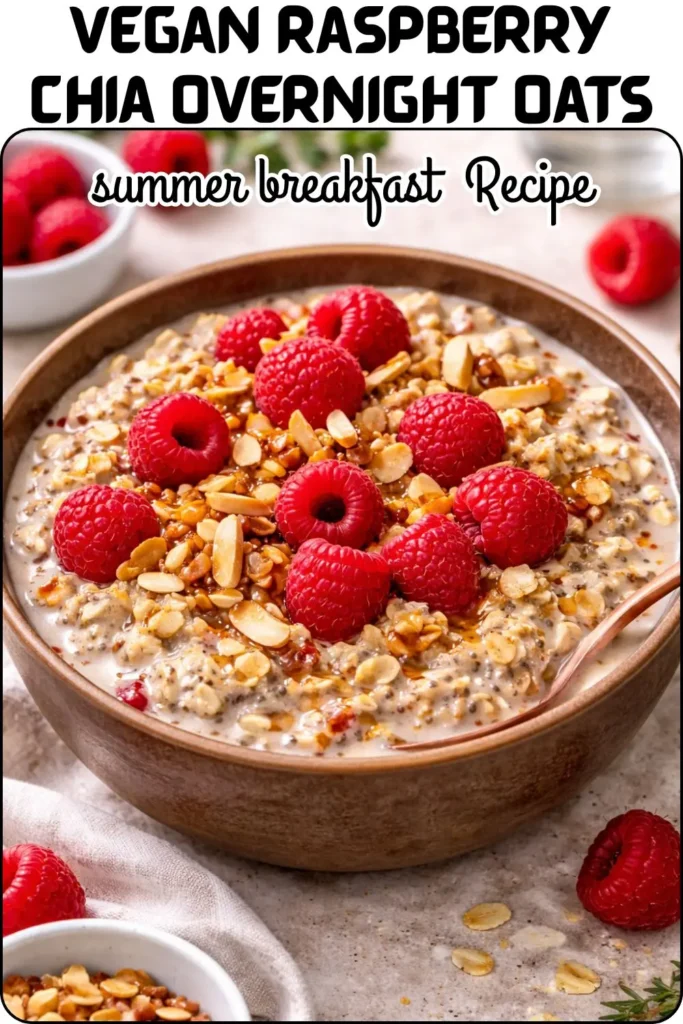
Vegan Raspberry Chia Overnight Oats
Step-by-Step Instructions
Before You Start Freeze the Fruit
The recipe is clear- start with frozen bananas and frozen mango. This is non-negotiable for the right texture. If you have fresh banana and mango, the base becomes too liquid and you lose the thick, spoonable consistency that defines a smoothie bowl.
If you need to freeze fruit today for tomorrow’s breakfast: peel and quarter the bananas, cut the mango into chunks, spread both on a lined baking sheet, and freeze for at least 2–3 hours until completely solid. Transfer to sealed freezer bags for storage.
Step 1 – Load the Food Processor or Blender
Add the frozen banana quarters, frozen mango chunks, coconut Greek yogurt, fresh spinach leaves, and coconut or almond milk to the food processor bowl or blender in that order liquid and softer ingredients at the bottom if using a blender, harder frozen ingredients on top.
The processing order matters for food processor specifically: start with the yogurt and spinach, then add the frozen fruit on top. The yogurt provides enough moisture for the blades to engage the frozen fruit from the start without additional liquid.
Step 2 – Process Until Thick and Creamy
Process or blend until the mixture becomes completely smooth, thick, and creamy. The recipe specifically notes to process “until the mixture becomes super creamy and begins to lighten in texture” this lightening happens as air incorporates and the frozen fruit fully breaks down.
Food processor- Process continuously for 2–3 minutes, stopping to scrape down the sides once or twice. The mixture will initially look chunky and difficult, then suddenly smooth out into a thick, creamy consistency.
Blender- Work in 30-second pulses, using the tamper to push frozen fruit toward the blades between pulses. Total processing time is typically 2–3 minutes of actual blending time.
Consistency check- The finished base should be thick enough that a spoon dropped on the surface leaves a clear impression for several seconds. If it flows immediately like liquid, it’s too thin this usually means too much liquid was added. If this happens, add more frozen banana to thicken.
Step 3 – Divide and Top
Divide the thick green base evenly between two bowls. Work quickly the frozen base softens at room temperature and becomes less ideal for topping as it warms.
Add your chosen toppings immediately. Press them very gently into the surface of the smoothie base to secure them toppings on a properly thick base should stay exactly where you place them rather than sinking.

Building the Perfect Topping Combination
The toppings aren’t decorative they’re functional components that add texture, flavor contrast, additional nutrition, and visual appeal that transforms a green smoothie into a genuine breakfast experience. Here’s how to build the best bowl:
The Textural Base Layer
Start with something that adds crunch:
- Granola – the most popular choice. Provides satisfying crunch and additional sustained energy from oats.
- Puffed quinoa – lighter and crunchier than granola with added protein
- Toasted coconut flakes – adds tropical crunch that complements the mango base beautifully
The Fruit Layer
Add fresh fruit for visual appeal and additional nutrients:
- Sliced fresh banana – echoes the base flavor and adds sweetness
- Fresh berries – strawberries, blueberries, raspberries add color contrast and brightness
- Mango chunks – doubles down on the tropical theme
- Kiwi slices – adds tartness and vivid green color that pops against the smoothie base
The Protein Layer
Add something that sustains energy:
- Nut butter drizzle -almond butter or peanut butter drizzled in thin lines adds protein and fat that extends satiety
- Hemp seeds – sprinkled over the bowl, these add complete protein in a barely noticeable way
- Chopped almonds or cashews – protein, healthy fat, and crunch
The Indulgence Layer (Optional)
- Chocolate chips – dark chocolate chips add a sweet, slightly bitter contrast
- Cacao nibs – more intense chocolate flavor with antioxidants
- Honey (vegan alternative: agave drizzle) – adds a final touch of sweetness
Choosing Your Plant-Based Yogurt
The ½ cup of plant-based yogurt contributes creaminess and slight tang to the base. Different varieties produce different results:
Coconut Greek yogurt (recipe recommendation) – the best choice for this specific smoothie bowl. Thick, rich, and slightly sweet, it contributes the “cream” quality that makes the base feel luxurious. The mild coconut flavor complements both banana and mango naturally. Brands like Cocoyo and So Delicious make excellent versions.
Soy yogurt – the highest protein option and works well. Slightly tangier than coconut yogurt, which can enhance the brightness of the base if you enjoy a more tart smoothie bowl.
Almond yogurt – mild and neutral. Produces a slightly thinner result since most almond yogurts are less thick than coconut varieties.
Cashew yogurt – very creamy and neutral-flavored. Works beautifully if you want the fruit flavors to dominate completely.

Liquid Choices Minimum Is Maximum
The recipe calls for just ¼ cup of liquid and this quantity is deliberately minimal. Every additional tablespoon of liquid you add beyond this minimum makes the base thinner and more liquid. With a food processor, you may not need any liquid at all the yogurt provides enough moisture for processing.
Coconut milk (carton, not canned) – subtle tropical sweetness that complements the mango and banana naturally. IMO the best choice for this specific recipe.
Almond milk – very neutral, lets the fruit flavors lead completely.
Oat milk – adds a subtle sweetness and slight thickness that works well.
The rule- Start with 2 tablespoons. Process. Add another tablespoon only if the processor is struggling. Stop as soon as the mixture processes smoothly.
Nutrition Information Per Bowl (Base Only)
At 269 calories per bowl, this smoothie base delivers extraordinary nutritional value:
| Nutrient | Per Bowl |
| Calories | 269 kcal |
| Carbohydrates | 54g |
| Protein | 4g |
| Fat | 7g |
| Fiber | 6g |
| Sugar | 33g |
| Sodium | 29mg |
| Potassium | 1,001mg |
| Vitamin A | 3,820 IU (76% DV) |
| Vitamin C | 53.9mg (60% DV) |
| Iron | 2.3mg |
The 1,001mg of potassium per bowl approximately 21% of the daily recommended intake makes this an exceptional breakfast for cardiovascular health and muscle function. The sodium at just 29mg is one of the lowest figures in any breakfast recipe, making this an excellent choice for anyone watching sodium intake.
Make-Ahead and Storage
- Freeze the fruit in advance- Peel and freeze ripe bananas weekly so you always have smoothie bowl ingredients available.
- Batch freezing- Portion the base ingredients (minus liquid and yogurt) into individual freezer bags each bag contains exactly 1.5 bananas and ½ cup mango for one serving. Grab a bag in the morning, add yogurt and liquid, blend.
- Assembled bowls don’t store well – the toppings soften into the base and the mixture loses its cold temperature. Make and eat immediately.
- Leftover base- Store in an airtight container in the freezer for up to 1 month. Thaw slightly and re-blend before serving.
My Final Thoughts Make This Bowl and Start Summer Mornings Right

Vegan Green Smoothie Bowl is the breakfast that proves healthy and delicious aren’t competing priorities they’re the same thing when you use the right ingredients in the right combination. Frozen banana and mango, two cups of invisible spinach, coconut yogurt, and a minimal amount of plant-based milk produce a thick, vibrant green bowl that tastes like tropical dessert and delivers 76% of daily Vitamin A and 60% of daily Vitamin C before you’ve added a single topping.
Ten minutes, two bowls, 269 calories each, genuinely energizing, completely plant-based.
Freeze the bananas tonight. Make the bowl tomorrow. Tell us you don’t feel like a genuinely capable person holding that beautiful green bowl with granola on top. We’ll wait.

Vegan Green Smoothie Bowl
Ingredients
Equipment
Method
- Step 1 – Load the Food Processor or Blender
- Add the frozen banana quarters, frozen mango chunks, coconut Greek yogurt, fresh spinach leaves, and coconut or almond milk to the food processor bowl or blender in that order liquid and softer ingredients at the bottom if using a blender, harder frozen ingredients on top.
- The processing order matters for food processor specifically: start with the yogurt and spinach, then add the frozen fruit on top. The yogurt provides enough moisture for the blades to engage the frozen fruit from the start without additional liquid.
- Step 2 – Process Until Thick and Creamy
- Process or blend until the mixture becomes completely smooth, thick, and creamy. The recipe specifically notes to process “until the mixture becomes super creamy and begins to lighten in texture” this lightening happens as air incorporates and the frozen fruit fully breaks down.
- Food processor- Process continuously for 2–3 minutes, stopping to scrape down the sides once or twice. The mixture will initially look chunky and difficult, then suddenly smooth out into a thick, creamy consistency.
- Blender- Work in 30-second pulses, using the tamper to push frozen fruit toward the blades between pulses. Total processing time is typically 2–3 minutes of actual blending time.
- Consistency check- The finished base should be thick enough that a spoon dropped on the surface leaves a clear impression for several seconds. If it flows immediately like liquid, it’s too thin this usually means too much liquid was added. If this happens, add more frozen banana to thicken.
- Step 3 – Divide and Top
- Divide the thick green base evenly between two bowls. Work quickly the frozen base softens at room temperature and becomes less ideal for topping as it warms.
- Add your chosen toppings immediately. Press them very gently into the surface of the smoothie base to secure them toppings on a properly thick base should stay exactly where you place them rather than sinking.
Notes
Nutrition Information Per Bowl (Base Only)
At 269 calories per bowl, this smoothie base delivers extraordinary nutritional value:| Nutrient | Per Bowl |
| Calories | 269 kcal |
| Carbohydrates | 54g |
| Protein | 4g |
| Fat | 7g |
| Fiber | 6g |
| Sugar | 33g |
| Sodium | 29mg |
| Potassium | 1,001mg |
| Vitamin A | 3,820 IU (76% DV) |
| Vitamin C | 53.9mg (60% DV) |
| Iron | 2.3mg |

Hi — I’m Rachel. I’m a wife, a mom, and a home cook who believes that food should bring comfort, joy, and compassion to the table. I live with my family — two hungry little foodies who are my most honest recipe testers — and together we’ve built a kitchen culture that’s all about good food that happens to be 100% vegan. I started this blog because I wanted a place to share the recipes that keep our days moving, the dishes that make weeknights feel a little easier, and the meals that become our little family traditions.